Business news and discussion on TalkFuse.
Russia Is Turning Pigeons Into Cyborg Drones—and You Can Now Hire Them
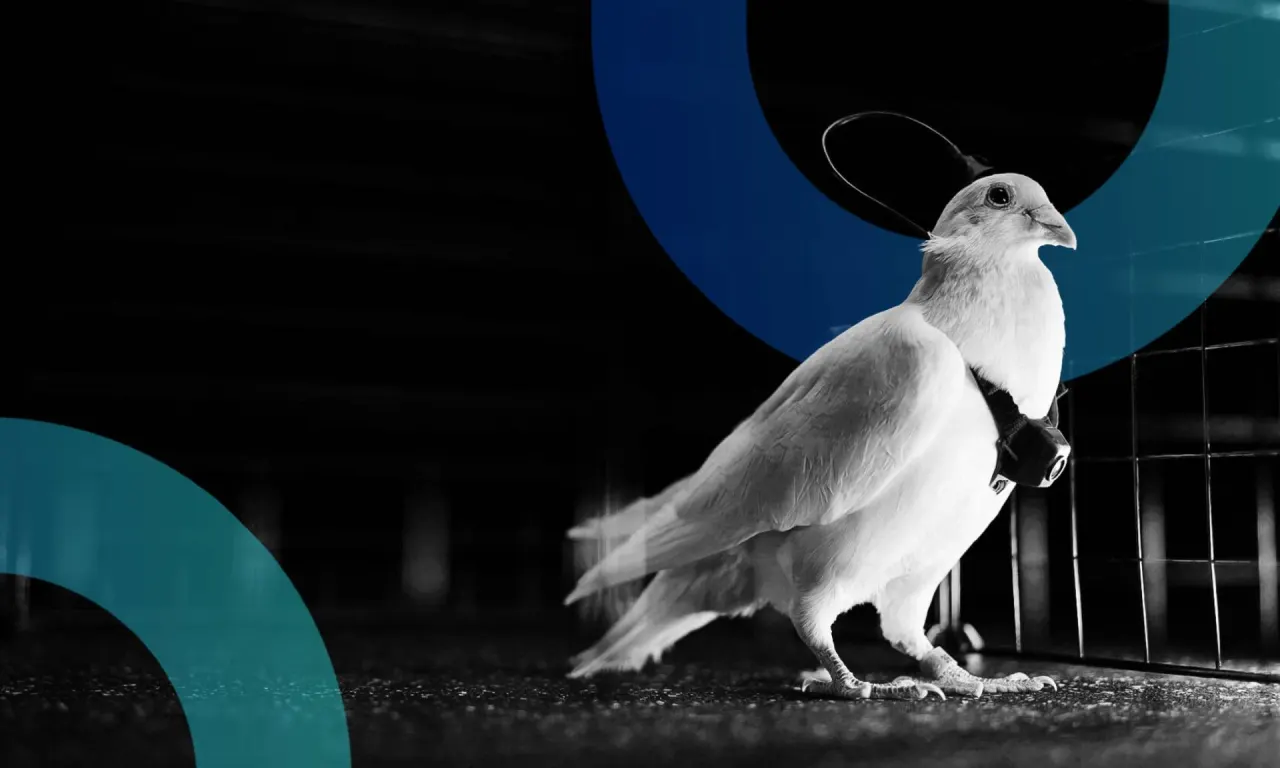
Russian neurotechnology company Neiry has begun taking orders for aerial photography using live pigeons fitted with brain implants, which it calls "biodrones". The service is in beta and available only in Russia. The company is pitching the birds for infrastructure inspection, environmental monitoring and possibly search and rescue, although the move raises questions about animal welfare and surveillance.
Prices start at 300,000 roubles (about $3,800) per square kilometre, according to Notebookcheck. Neiry says electrical stimulation steers the birds while they keep their natural flight behaviour, that they could cover up to 400 kilometres in a day, and that its longest trial lasted over 10 hours. The company claims more than 100 flights outside the laboratory, but independent evidence of the implants' long-term effects on the birds is not yet available. The idea echoes Cold War CIA work on pigeon-mounted cameras, which the agency says ultimately failed.
In short
- Russian firm Neiry sells aerial photos taken by brain-implanted pigeons.
- The service is in beta and available only within Russia.
- Prices start near $3,800 per square kilometre, amid unresolved animal welfare concerns.
Steelman: both sides, in good faith
The strongest fair case each way — we don't pick a winner.
The case for
Supporters would point to the practical advantages of living aerial platforms: birds fly efficiently, manoeuvre in terrain where drones struggle, and need no batteries, which could make inspection and monitoring cheaper in remote areas. They could argue that if stimulation is mild and the birds keep their natural behaviour, this continues a long human partnership with animals in work and rescue, and that strict trials and regulation can address welfare concerns. Many would also see search and rescue and environmental monitoring as public goods that justify careful development.
The case against
Critics would argue that deploying implanted animals for paid commercial services treats living creatures as disposable tools, and that an animal cannot meaningfully consent, so the burden of proof should rest heavily on developers. They note that the long-term neurological and physical effects on the birds have not been independently documented, and that company-reported flights are no substitute for peer-reviewed welfare data. Surveillance concerns also arise, since a cheap, hard-to-detect aerial sensor could be misused, and critics point out that earlier pigeon-mounted camera programmes were abandoned, which they see as a reason for caution.
Business Companies Europe World