Russia rains down more than 200 missiles and drones on Ukraine… but are NATO’s Baltic states next in Putin’s sights?
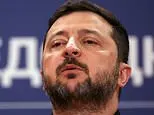
Russia launched a major escalation against Ukraine over the weekend, firing more than 200 missiles and drones in a Saturday night assault, as US intelligence separately warned that Vladimir Putin could order an attack on a Nato Baltic state within weeks. The strikes caused casualties and significant damage across several Ukrainian cities, coming amid warnings that Moscow's next move could be designed to test Nato's Article 5 mutual-defence commitment, ranging from a cyber attack to a small-scale land incursion between this autumn and 2029.
Odesa was worst affected, with around a dozen people injured and the city's port and largest sports stadium damaged; President Volodymyr Zelensky said the attack showed Russia was "at war with the world's food security". In Kharkiv, missiles hit a ten-storey apartment block, killing three and wounding 37. Ukraine responded with drone strikes on Russia's Belgorod region, killing five and injuring 24, and claimed three strikes on Russian oil tankers and cargo ships in the Black Sea, as both sides intensified attacks on each other's fuel and logistics infrastructure. Power was knocked out for many Odesa residents, though 90,000 had it restored, while Pope Leo renewed calls to end the four-year war, lamenting the rising civilian toll.
- Russia fired 200+ missiles and drones at Ukraine in a weekend blitz.
- Odesa and Kharkiv hit hard; at least three dead, dozens wounded.
- US intelligence warns Putin may target a Nato Baltic state within weeks.
Both sides, in good faith
The strongest fair case each way — we don't pick a winner.
The case for
The intelligence warnings demand NATO take the threat to the Baltic states seriously. Russia has repeatedly shown willingness to use military force, and the principle of Article 5 depends on credible deterrence. NATO should strengthen defensive capabilities in the region, increase military presence, and make clear its commitment to its vulnerable members. Preparation and resolve now can prevent miscalculation and conflict later.
The case against
NATO's response must be measured and guided by escalation risks as much as threat assessment. Russia's military is heavily committed in Ukraine, and intelligence forecasts about future intentions involve inherent uncertainty. Rather than military buildups that could trigger security dilemmas, NATO should maintain defensive readiness whilst keeping diplomatic channels open and prioritising de-escalation. Calibrated restraint rather than reflexive militarisation may serve long-term stability better.