Russia threatens to attack British factories in ‘semi-military’ response to UK support for Ukraine – as Putin warns ‘Pandora’s box has been opened’
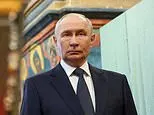
Russia has threatened to strike British factories and other targets in a "semi-military" response to the UK's growing support for Ukraine, with the Kremlin accusing Britain of directly participating in the war. The threats followed new Prime Minister Andy Burnham's first foreign visit to Kyiv, where he announced that defence firm MBDA had been cleared to share UK components technology for the long-range SCALP missile, allowing local production in Ukraine. Vladimir Putin reportedly warned that a "Pandora's box" had been opened, and Britain now faces the prospect of becoming a more direct target in the conflict.
Former Russian Deputy Foreign Minister Andrei Fedorov told BBC Newsnight that Moscow's reaction to Burnham's announcement was "very negative", and that possible responses could range from hacking attacks by "unknown sources" to unspecified "semi-military" action targeting British factories producing drones or components linked to Storm Shadow missiles. Kremlin spokesman Dmitry Peskov separately accused Britain of "pouring fuel on the fire" and said Russian forces intended to identify and destroy missile and equipment production sites. The Russian ambassador has reportedly been withdrawn from London amid worsening relations, but Burnham, speaking in Kyiv to mark Ukraine's 35th independence anniversary, called the threats "outrageous" and pledged continued UK support.
In short
- Russia threatens "semi-military" action against UK factories over Ukraine support
- PM Burnham allowed sharing of SCALP missile component tech with Ukraine
- Putin warns "Pandora's box" opened; Russian ambassador withdrawn from London
Steelman: both sides, in good faith
The strongest fair case each way — we don't pick a winner.
The case for
Supporters of the UK's approach argue that Ukraine has a sovereign right to defend itself against an unprovoked invasion, and that helping it produce long-range missiles domestically strengthens deterrence without any UK personnel entering the conflict directly. They contend that yielding to threats from Moscow would reward coercion, embolden further aggression, and undermine the credibility of Britain's commitments to allies; steady, visible support, they argue, is what ultimately shortens the war by making continued Russian occupation costlier than a negotiated settlement.
The case against
Critics who favour a more cautious approach argue that deepening involvement in weapons production for Ukraine, even indirectly, raises the risk of British territory and citizens becoming legitimate targets in the eyes of Moscow, exposing factories, workers and infrastructure to real danger for a conflict fought elsewhere. They contend that ministers have a first duty to protect the domestic population and economy, and that escalatory steps should be weighed carefully against the risk of drawing the UK into direct confrontation with a nuclear-armed power, favouring measured support and open channels for de-escalation over gestures that invite retaliation.
Explained simply
Russia and the UK have been on opposing sides of the war in Ukraine since Russia's full-scale invasion in 2022, with Britain among Kyiv's most prominent Western backers, supplying weapons, training and diplomatic support. Andy Burnham recently became UK Prime Minister, and his decision to visit Kyiv as his first foreign trip signalled continuity in that support. Vladimir Putin has led Russia throughout the conflict, and the Kremlin has long objected to Western arms supplies, arguing they draw NATO countries directly into the war.
Storm Shadow and SCALP are the British and French names for the same long-range cruise missile, jointly developed by defence firm MBDA and already supplied to Ukraine for strikes on targets it could not otherwise reach. Allowing Ukraine to produce components domestically would deepen that cooperation and reduce its reliance on stockpiles shipped from abroad. Moscow has repeatedly warned that it may target the sources of Western weapons, including factories, as part of its wider campaign against Ukraine's military supply chain.
The exchange matters because it raises the question of how far the war could extend beyond Ukraine's borders, and what risks, from cyberattacks to more direct action, Western states supplying Kyiv might face as a result. Diplomatic relations between London and Moscow, already strained since 2022, are a backdrop to these latest threats.
Celebrity Entertainment Europe UK World