Russia using North Korean missiles to strike Ukraine, Zelensky says
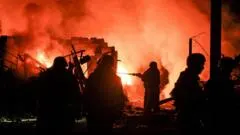
Ukraine's President Volodymyr Zelensky has accused Russia of using North Korean ballistic missiles in strikes on Ukraine, saying Moscow "cannot wage war without reinforcements from North Korea" for the first time. The claim came as both sides continued overnight attacks, with a strike on Zaporizhzhia killing at least six people and injuring 19, while Ukrainian forces hit warehouses belonging to Russian online retailer Wildberries in the Voronezh region. Zelensky warned that repeated use of North Korean weapons and troops allows Pyongyang to refine its capabilities, posing a wider danger beyond Ukraine.
Russia fired 120 drones and a range of missiles overnight, though officials for the first time did not disclose how many missiles were launched or intercepted, following an Air Force request that media avoid "sensationalised headlines" about air defence shortages. Strikes also damaged a Kyiv hospital and knocked out power via substation hits in Kherson and Kharkiv, while two women were injured in a drone strike on Sumy. Zelensky separately praised a strike on a Russian petrochemical plant in Siberia and pledged further "deep strikes", a day after Ukrainian drone attacks on Tatarstan killed at least 13 people, including one child, in one of the deadliest single attacks on Russian territory since the war began.
In short
- Zelensky says Russia is using North Korean missiles against Ukraine
- Zaporizhzhia strike kills six, injures 19; Wildberries warehouses hit in Russia
- Follows deadly Ukrainian drone strikes on Tatarstan that killed 13
Steelman: both sides, in good faith
The strongest fair case each way — we don't pick a winner.
The case for
Russia's escalating reliance on North Korean weapons indicates military desperation and represents dangerous internationalization of the conflict. Russian strikes on civilian infrastructure—hospitals, power stations—constitute violations of humanitarian law and require sustained Western military support for Ukraine's legitimate defence against invasion, along with stronger international consequences for Russian aggression.
The case against
Further military escalation and weapons deliveries will only extend this conflict without achieving political resolution. Russia's underlying security concerns about NATO expansion, though contested, remain unaddressed; sustainable peace requires diplomatic negotiation that acknowledges all parties' core concerns rather than indefinite arms supplies that perpetuate mutual destruction and rising civilian casualties.
Explained simply
Russia launched its full-scale invasion of Ukraine in February 2022, and the fighting has since involved missiles, drones and ground forces on both sides. Ukraine’s president, Volodymyr Zelensky, leads the country’s wartime government, while Russia is led by President Vladimir Putin.
North Korea, ruled by Kim Jong Un, has developed ballistic missiles and has drawn closer to Russia as the war has continued. Any military cooperation between Moscow and Pyongyang matters beyond the battlefield because it could strengthen both countries’ weapons programmes and affect security in Europe and Asia.
Asia Europe Government Politics World