Drone strikes shut Moscow’s four airports, disrupting presidential flights and 370 others
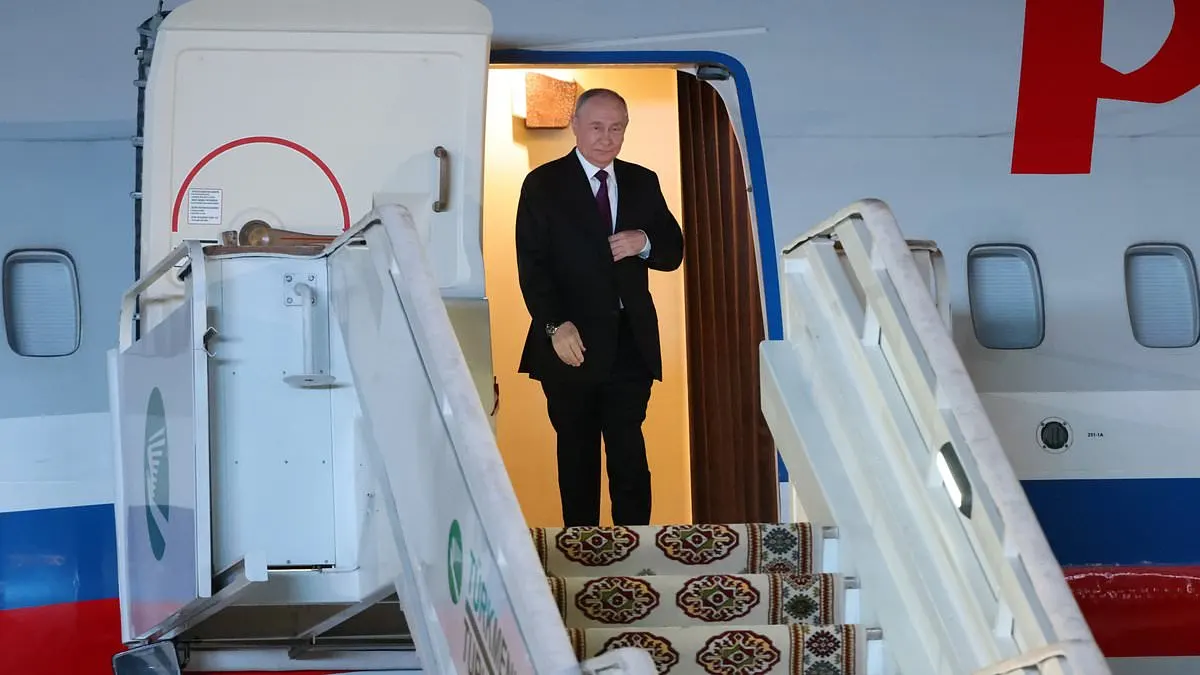
Ukrainian drone attacks on Moscow on Friday forced the closure of all four of the capital's airports, leaving over 370 flights delayed and government aircraft circling unable to land. The strike exemplified Ukraine's escalating capability to disrupt Russian aviation infrastructure, with Moscow's mayor reporting that 15 drones were shot down during the assault.
Four aircraft from the presidential Special Flight Squadron were caught up in the disruption after departing from a Commonwealth of Independent States summit in Turkmenistan where Vladimir Putin had been attending. Russian aviation authorities introduced restrictions from approximately 3:40pm local time and maintained them for around six to seven hours whilst authorities also shot down reconnaissance balloons in nearby regions. The incident reflects a broader pattern of disruption, with Russia's aviation regulator reporting a 20 per cent increase in long flight delays this year.
- Ukrainian drones closed all four Moscow airports and delayed 370+ flights
- Presidential aircraft circled unable to land during the attack
- Flight delays this year have risen 20 per cent due to drone attacks
New here? Start with this
Russia's full-scale invasion of Ukraine began in February 2022 and the conflict continues. Over four years of fighting, Ukraine has developed drone and missile capabilities previously unavailable to it, enabling strikes on targets deep within Russian territory far from active front lines.
Major airports are critical infrastructure supporting both civilian travel and military logistics. Disruptions to air transport affect wider networks of people and supplies that depend on these facilities, making them strategically significant targets in modern conflicts.
Both sides, in good faith
The strongest fair case each way — we don't pick a winner.
The case for
Ukraine faces existential threats from Russian invasion and possesses the legitimate right to disrupt Russian military and governmental capabilities. Airports serve dual military purposes, supporting presidential flights and military logistics alongside civilian operations, making them valid targets within the context of asymmetric warfare. Such operations represent a proportionate response from a smaller power defending itself against a vastly larger aggressor.
The case against
Whilst Ukraine's self-defence rights are legitimate, striking civilian airports causes extensive disruption to ordinary citizens and disrupts non-military activities on a major scale. Such attacks may violate international humanitarian law principles of distinction between civilian and military targets, risk triggering Russian retaliation against Ukrainian infrastructure, and raise questions about whether the military benefits justify the humanitarian costs and potential escalation cycles they invite.
Culture Europe Government Politics Travel World
Read the full article at the source →
Originally published by Daily Mail as “Russian government planes ‘left trapped in the air and unable to land’ amid Ukrainian drone attacks on Moscow”.