US secures phased release of Russian diesel to curb prices
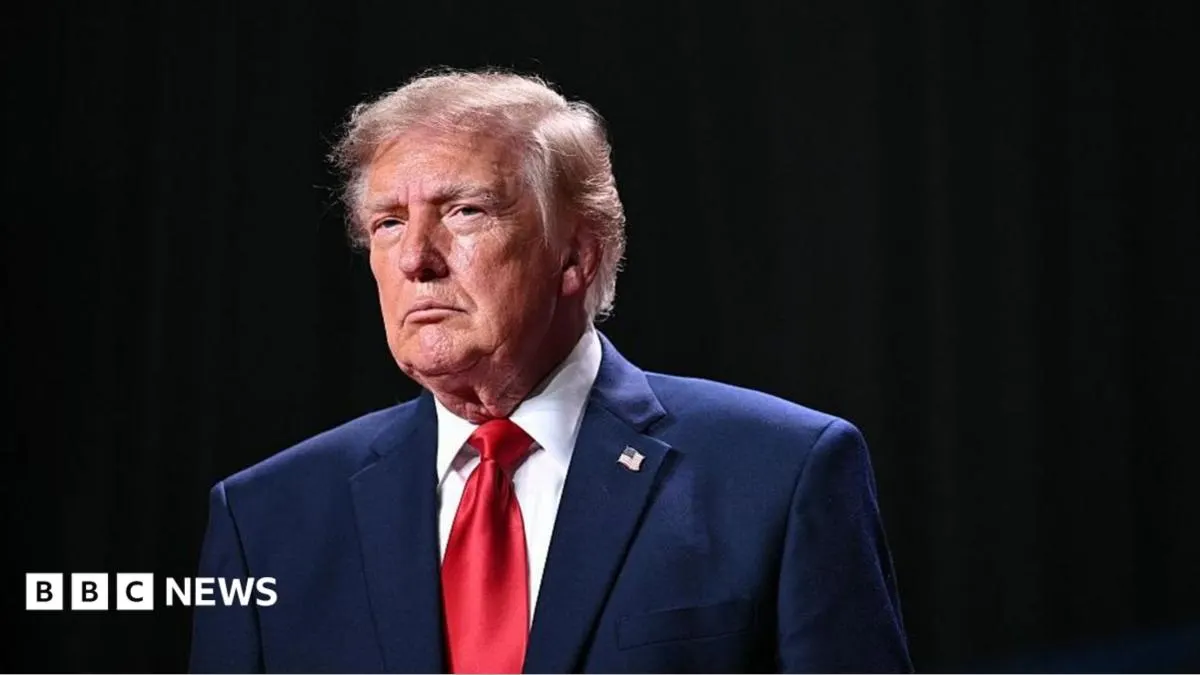
President Trump announced an agreement with Vladimir Putin to release Russian diesel into global markets, with 300,000 tonnes available immediately followed by 500,000 tonnes in November and a further million tonnes after that. The move is aimed at reducing fuel costs in the United States, where diesel prices have doubled since the war with Iran began in February, creating pressure on Republicans ahead of midterm elections. The US Treasury formally issued a temporary licence to permit Russian diesel imports.
The average diesel price in the US currently stands at $6.28 per gallon, down from a record high of $6.53 in late September. Putin's envoy Kirill Dmitriev welcomed the arrangement on social media, noting that Russia-US cooperation on energy would benefit the world. Trump is pursuing multiple approaches to lower fuel costs, including considering a suspension of federal gasoline tax, permitting red dye diesel on highways without federal tax, and successfully persuading G7 nations to release 100 million barrels from strategic stockpiles.
- Trump and Putin agree to release Russian diesel to reduce global fuel prices
- Initial 300,000 tonnes available immediately; 500,000 tonnes in November follows
- Move aims to ease cost-of-living pressures ahead of US midterm elections
New here? Start with this
Diesel fuel is essential to American transport and industry, making its price politically significant. Diesel costs in the United States have roughly doubled since armed conflict with Iran began in February 2026, putting pressure on household budgets and businesses. With congressional midterm elections approaching, both political parties have prioritised energy costs.
President Trump has negotiated an agreement with Russian leader Vladimir Putin to gradually release Russian diesel into global markets. Under the arrangement, 300,000 tonnes would arrive immediately, with further shipments of 500,000 tonnes in November and additional supplies following. The US Treasury has formally authorised the imports in an effort to bring domestic prices down.
This arrangement is part of a wider administration strategy to tackle fuel costs. The government is considering other measures including suspending federal petrol taxes, changing regulations around diesel use, and has persuaded other major economies to release oil from their strategic reserves to increase global supply.
Both sides, in good faith
The strongest fair case each way — we don't pick a winner.
The case for
Supporting this agreement emphasises consumer relief as the primary good: fuel costs have doubled, directly affecting transport, heating, and food prices for ordinary people. Energy cooperation operates independently from broader political relationships—nations routinely trade commodities across geopolitical divides, and the measurable price reductions demonstrate real economic benefit. This represents pragmatic policy prioritising immediate material welfare for citizens.
The case against
Opponents worry that this arrangement provides Russia financial resources and diplomatic standing during a period when international unity on Russia policy may be strategically important. They contend it signals that economic leverage can override policy consistency, potentially setting precedent for future concessions and undermining allied coordination. They argue that alternatives through domestic expansion, allied sourcing, or other measures should be exhausted before Russia becomes a strategic commodity supplier.
Americas Elections Europe Middle East Politics World
Read the full article at the source →
Originally published by BBC World as “Trump announces deal with Putin to release Russian diesel”.