World news and discussion on TalkFuse.
Russian officials heading to Afghanistan for trade, investment talks with Taliban
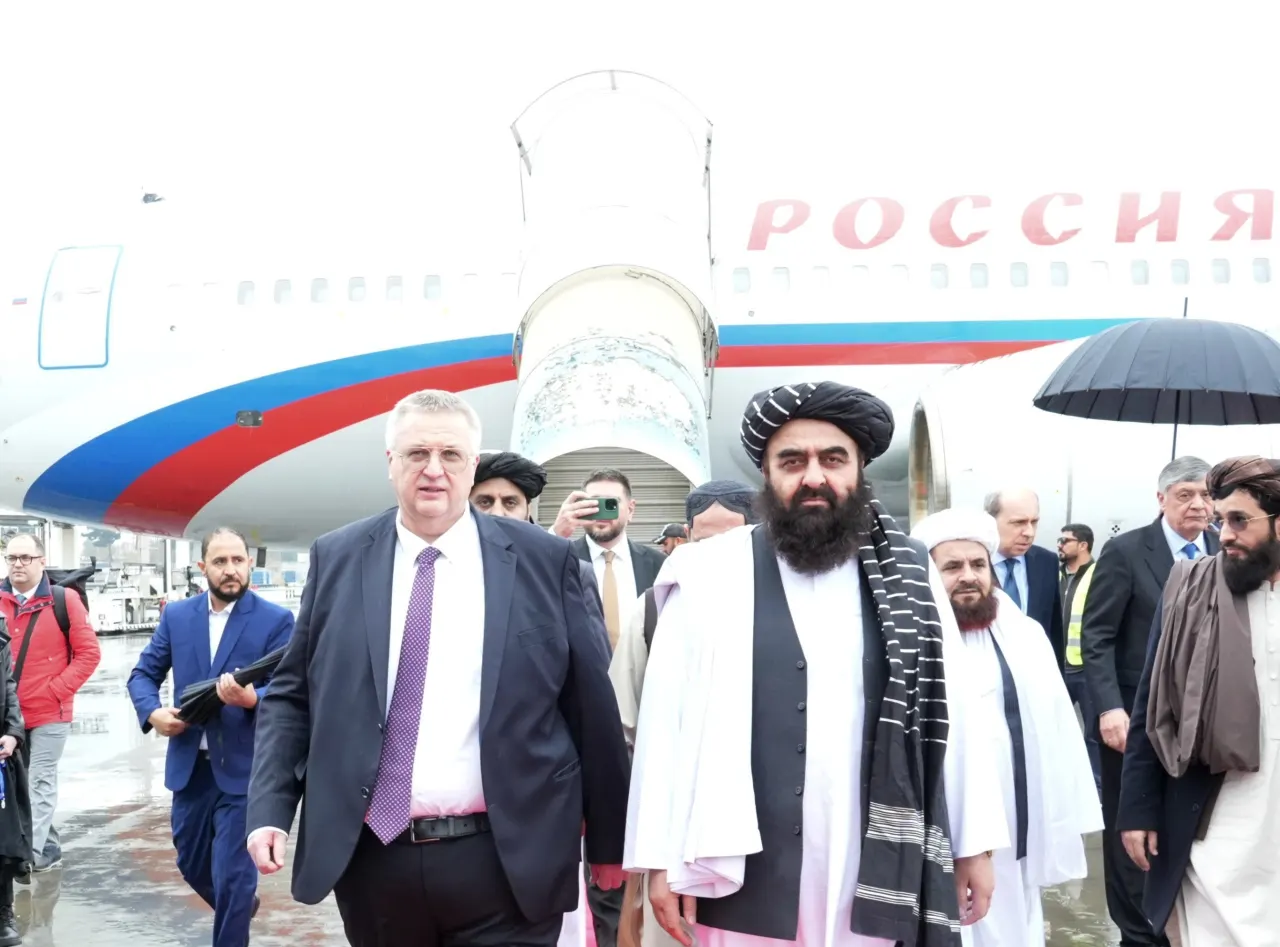
Russian Deputy Prime Minister Alexei Overchuk arrived in Kabul with a delegation of more than 70 businesspeople for talks on trade and investment with the Taliban government. The visit could deepen economic ties as Afghanistan seeks foreign capital and new markets while remaining largely isolated internationally; Russia is the only country to have formally recognised the Taliban government.
Afghan Deputy Prime Minister Abdul Ghani Baradar invited Russian firms to invest in mining, factories, infrastructure, special economic zones, farming and livestock, and called for better access for Afghan exports to Russian markets. The delegation includes companies in transport, logistics, agriculture and pharmaceuticals, with discussion of Russian fertiliser and possible production plants in Afghanistan. The Afghan government said bilateral trade exceeded $349 million in the first eight months of 2026, more than twice the amount a year earlier.
In short
- Russia sent more than 70 businesspeople to Kabul for trade and investment talks.
- Afghanistan proposed projects in mining, infrastructure, farming and fertiliser production.
- Bilateral trade exceeded $349 million in the first eight months of 2026.
Steelman: both sides, in good faith
The strongest fair case each way — we don't pick a winner.
The case for
Closer trade and investment could bring Afghanistan capital, jobs, infrastructure and markets for its exports, while giving Russian firms opportunities in sectors such as transport, agriculture and mining. Supporters may also argue that practical economic engagement can improve livelihoods and maintain channels of dialogue with Afghanistan despite its international isolation.
The case against
Expanding commercial ties could confer legitimacy on the Taliban government and help it gain resources and standing while international concerns remain unresolved. Critics may also question whether investment can be made responsibly and benefit ordinary Afghans, given the risks of operating in an isolated country and the limited transparency and protections available.
Europe Government Politics World