Russia’s ‘Amazon’ in deep-strike Ukraine blitz, wiping billions from Putin-linked CEO
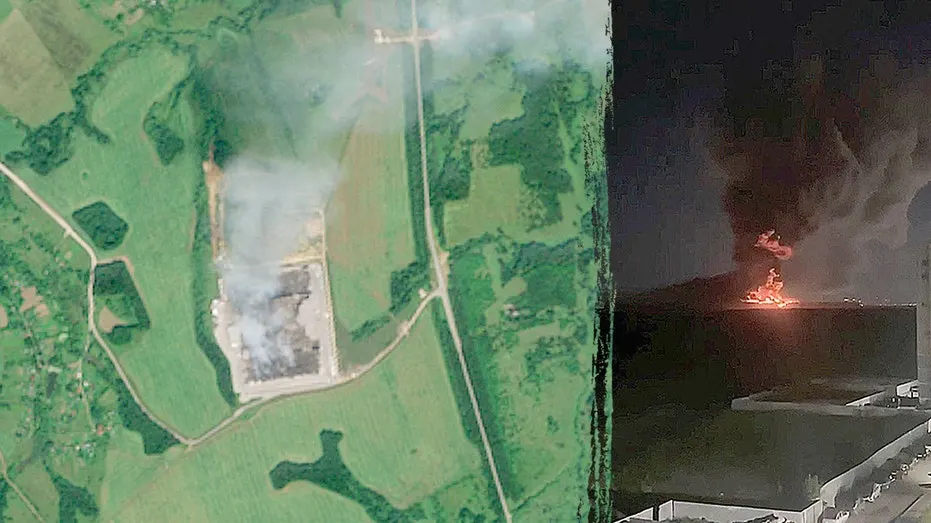
Ukraine’s expanding deep-strike campaign reportedly hit a Russian oil and petrochemical complex in Bashkortostan, causing a fire at a Wildberries facility. The strike matters because Wildberries is Russia’s largest online retailer and a major commercial asset, so disruption could add economic pressure to Russia alongside the military impact of attacks inside its territory.
The article says the incident followed another Ukrainian drone attack on a Wildberries warehouse in Russia’s Voronezh region, which reportedly killed one person, injured two and started fires. Wildberries is often described as “Russia’s Amazon”, and its chief executive has been linked in reports to Vladimir Putin; the headline says the attacks have wiped billions from the executive’s wealth.
- Ukrainian drones reportedly struck another Wildberries-linked site in Russia.
- Fires disrupted Russia’s largest online retailer.
- The campaign aims to extend pressure deep inside Russia.
New here? Start with this
Wildberries is Russia’s largest online retailer, selling a wide range of goods through its website and network of warehouses. It is often compared with Amazon because of its scale, though it operates in Russia’s own market.
The company is led by its chief executive, whose wealth has been linked in reports to the value of the business and who has been described as close to Vladimir Putin. Ukrainian strikes on facilities inside Russia can affect both military operations and commercial activity, bringing the war’s effects to businesses and workers far from the front line.
A reported strike in Voronezh caused deaths and injuries as well as damage at a warehouse. The reported fire at a Wildberries facility in Bashkortostan comes amid wider Ukrainian attacks on Russian sites, including energy and industrial facilities.
Both sides, in good faith
The strongest fair case each way — we don't pick a winner.
The case for
Ukraine faces existential threat from invasion and legitimately targets economic infrastructure that supports Russia's military capability. Commercial assets like Wildberries fuel the war effort through generating wealth for the Russian state; disrupting such infrastructure is standard military strategy in total war, distinct from indiscriminate attacks and proportionate to the invasion itself.
The case against
International humanitarian law maintains strict distinction between military and civilian targets precisely to protect non-combatants even in wartime; commercial retailers represent civilian infrastructure deserving such protection. Once either side begins treating commercial assets as legitimate military targets, both sides lose the legal and moral framework preventing escalation, potentially exposing Ukrainian civilians to similar treatment and undermining decades of warfare law.