Russia’s quieter nuclear submarines threaten NATO, former commander warns
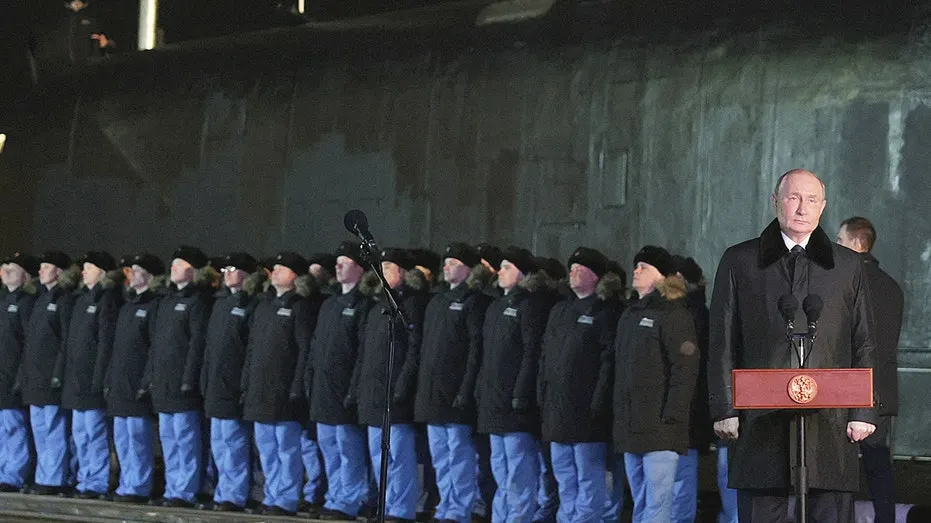
A former senior NATO commander has warned that Russia's newer, quieter nuclear-powered submarines are increasing pressure on the alliance's northern defences, as Moscow expands military infrastructure across the Arctic. Retired General Philip Breedlove said the improved stealth of Russian vessels, combined with the militarisation of the Kola Peninsula, is making it harder for NATO to track submarine movements near the Northern Sea Route and the Greenland-Iceland-UK Gap, a corridor critical to monitoring access to the North Atlantic. NATO's Allied Joint Force Command Brunssum also flagged the issue publicly, describing the growing submarine threat in the region as "serious".
The concern centres on Russia's Yasen-M-class submarines, 13,800-tonne vessels fitted with advanced acoustic-quieting technology that Russian officials claim render them effectively undetectable. According to the US Naval Institute, they can carry cruise missiles with a range of around 1,000 miles, anti-ship missiles and hypersonic anti-ship weapons; Russia's Sevmash shipyard began construction of the ninth such submarine in June. Breedlove suggested Vladimir Putin may be publicising these capabilities partly to distract from setbacks in the war in Ukraine, while stressing that NATO is adapting its surveillance methods to counter the quieter Russian fleet.
In short
- Ex-NATO commander warns Russia's stealthier submarines threaten alliance's northern defences.
- Yasen-M-class submarines use advanced quieting tech, carry long-range missiles.
- Breedlove says Putin may be hyping weapons to offset Ukraine war setbacks.
Steelman: both sides, in good faith
The strongest fair case each way — we don't pick a winner.
The case for
Russia’s quieter submarines and expanding Arctic infrastructure could make it harder for NATO to monitor approaches to the North Atlantic, while their long-range weapons add to the potential risks for allied forces and shipping. Supporters of stronger northern defences argue that improved surveillance and readiness are prudent responses to a changing military environment and help deter miscalculation.
The case against
The warning may overstate the immediate danger: claims about the submarines’ capabilities come partly from Russian officials, and the report gives no evidence that NATO has lost the ability to track them or that an attack is imminent. A measured response, focused on existing surveillance and diplomacy, could avoid inflaming tensions or diverting resources from other security needs while NATO continues adapting.
Explained simply
Nuclear-powered submarines can stay at sea for long periods, and their quietness makes them harder to detect. Russia’s Yasen-M class is a newer type of submarine that can carry missiles able to strike ships or targets on land. Russia is also expanding military facilities on the Kola Peninsula, in the country’s far north.
NATO is the alliance of North American and European countries that co-operate on defence. The Greenland-Iceland-UK Gap is a stretch of North Atlantic sea between those places that NATO monitors because submarines passing through it could reach the wider Atlantic. The Northern Sea Route runs along Russia’s Arctic coast.
The issue matters because tracking submarines helps NATO assess and respond to possible military threats. Russian submarines operating in the Arctic could make that task more difficult, while NATO says it is adapting its surveillance.
Europe Geopolitics Politics UK World