Culture news and discussion on TalkFuse.
Samsung’s Galaxy Z Fold 8 Ultra has a sharper ultrawide camera and a bigger battery
Developed over time first seen 4 months ago
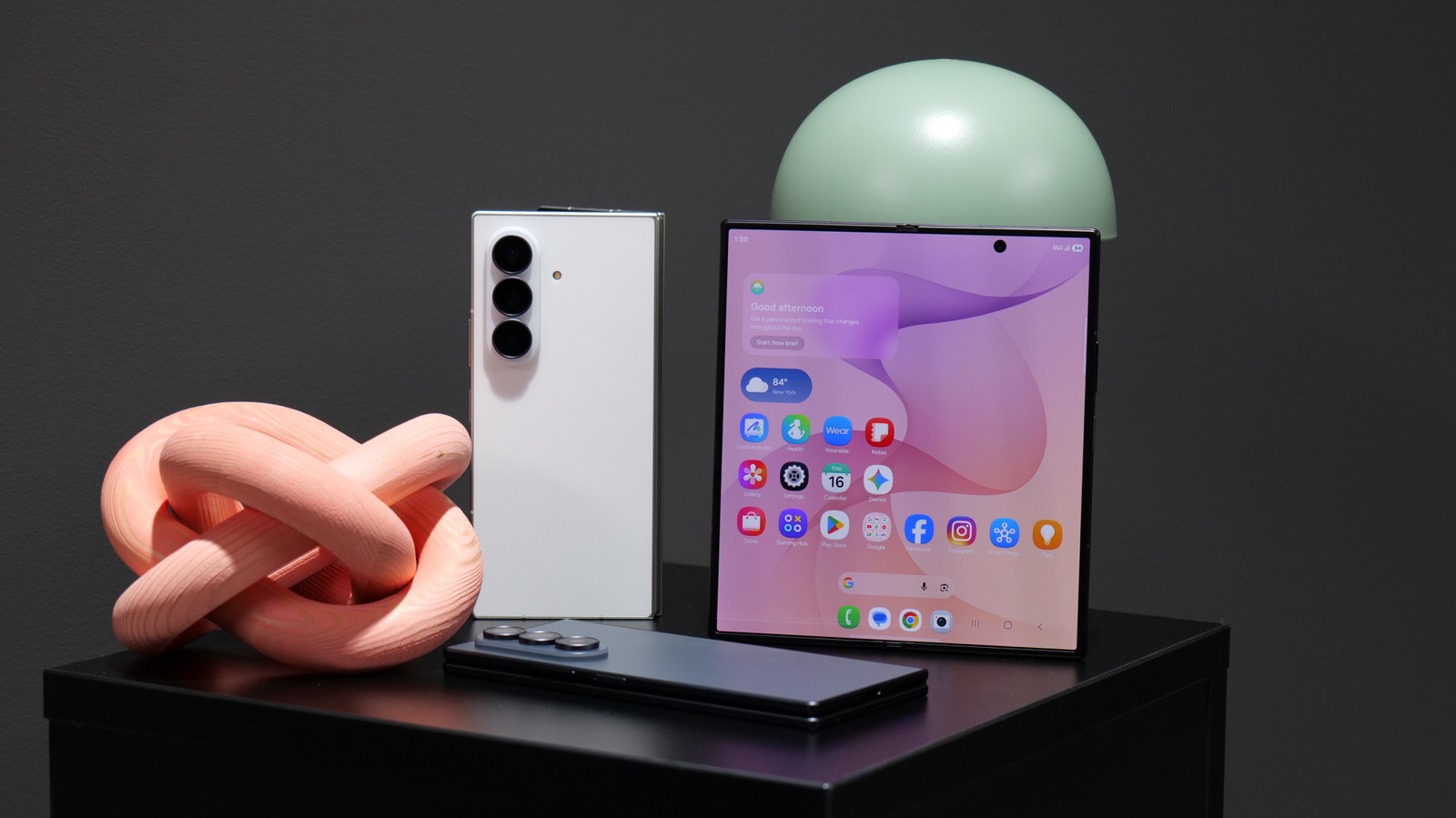
Samsung has officially unveiled the Galaxy Z Fold 8 Ultra, its new flagship foldable smartphone that succeeds the Galaxy Z Fold 7 and sits alongside a second, cheaper model called the Z Fold 8. The Ultra retains a broadly similar design to its predecessor but brings across-the-board upgrades, including a sharper camera set-up, a larger battery and a faster chip, positioning it as Samsung's top-tier foldable in an expanded two-model line-up.
Key upgrades include a new 50-megapixel ultrawide camera, up from 12 megapixels, alongside an unchanged 200-megapixel main sensor now with HDR support and a 10-megapixel telephoto lens. The device gains a larger 5,000mAh battery (up from 4,400mAh) with 45-watt dual-path fast charging, plus the Snapdragon 8 Elite Gen 5 for Galaxy processor and improved 8K video support via a new APV codec. It measures 158.4 x 143.2 x 4.1mm unfolded and weighs 215 grams, slightly lighter than rivals such as the Google Pixel 10 Pro Fold. The Z Fold 8 Ultra is available for pre-order from retailers including Amazon, AT&T and Best Buy, priced from $2,100 (£100 more than the Z Fold 7), with shipping starting on 8 August.
- Sources
- 3
- Outlets
- 1
- Left · Centre · Right
- 0 · 0 · 0
In short
- Samsung unveils Galaxy Z Fold 8 Ultra as its new foldable flagship
- Gets 50MP ultrawide camera, bigger 5,000mAh battery, faster chip
- Priced from $2,100, ships from 8 August 2026
How this story developed
- 4 months ago Samsung has officially unveiled the Galaxy Z Fold 8 Ultra, its new flagship foldable smartphone that succeeds the Galaxy Z Fold 7 and sits alongside a second, cheaper model called the Z Fold 8.
Steelman: both sides, in good faith
The strongest fair case each way — we don't pick a winner.
The case for
Supporters argue the Galaxy Z Fold 8 Ultra delivers substantive improvements that justify the investment. The upgrade from a 12-megapixel ultrawide to 50-megapixel addresses a genuine weakness in the previous generation, whilst the battery increase from 4,400mAh to 5,000mAh with faster charging and the Snapdragon 8 Elite Gen 5 processor provide meaningful performance gains. Being 215 grams—lighter than the Pixel 10 Pro Fold—makes it more practical for daily use, positioning it as a mature flagship option that meaningfully advances foldable technology.
The case against
Sceptics argue Samsung is pursuing incremental spec improvements whilst steadily raising prices without solving fundamental foldable limitations. The ultrawide camera megapixel jump is largely marketing, offering marginal real-world gains, whilst the £100 price increase outpaces the value delivered by modest battery improvements. Durability concerns, screen creasing, and higher costs remain inherent to the foldable form factor, making traditional smartphones offer superior reliability and practical value for most consumers.
Explained simply
Foldable phones use a flexible screen that opens out to give users a larger display, while folding shut to make the device easier to carry. Samsung’s Galaxy Z Fold range is one of its premium phone lines, and the Z Fold 7 was the previous model.
Samsung also sells conventional smartphones, but competes in the foldable market with companies including Google. Its new range has two models: the top-tier Ultra and a cheaper Z Fold 8, giving buyers a choice at different prices.
The upgrades matter to people weighing up camera quality, battery life and performance against the high cost of a foldable phone. A larger battery and sharper ultrawide camera are among the changes, while the price and size help show how Samsung is positioning the device against other premium foldables.
Coverage · 3 sources
Art Culture Gadgets Technology