World news and discussion on TalkFuse.
Santa’s got competition — this clever Christmas gift lets kids make their own toys
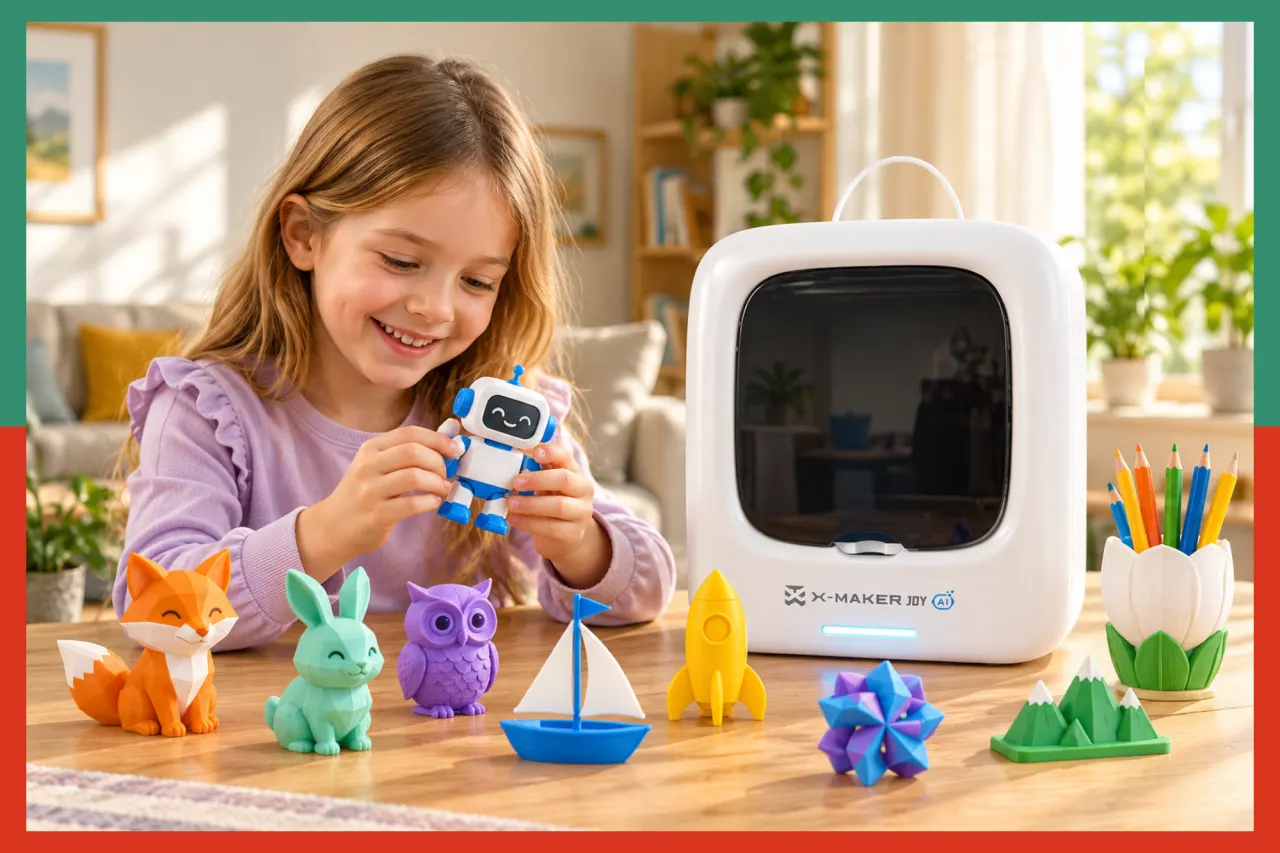
The AOSEED X-Maker Joy is a 3D printer marketed as a Christmas gift for children, letting them design and print their own toys. It could introduce young users to 3D printing while giving them a creative activity they can continue beyond the holidays.
The printer is designed for ages 4 to 12 and includes voice, text and image prompts for making models, plus a feature that turns photos into cartoon figures. It has an enclosed design, one-tap printing and thousands of ready-made models; the brand says smaller projects can print in about 20 minutes.
In short
- A children’s 3D printer lets kids create personalised toys.
- AI tools can turn prompts and photos into models.
- The brand says small prints take around 20 minutes.
Steelman: both sides, in good faith
The strongest fair case each way — we don't pick a winner.
The case for
The printer could give children a playful way to turn their ideas into physical objects, encouraging creativity and introducing design and technology through hands-on making. Its ready-made models and simple controls may help younger users get started, while the range of projects could sustain interest beyond Christmas.
The case against
A child-focused 3D printer may offer less open-ended creativity than its marketing suggests if children rely on prompts and ready-made models, and adult help may still be needed to use it safely and effectively. Families may also question whether the cost, materials and ongoing supervision are justified for a novelty gift whose appeal could fade.
Explained simply
A 3D printer makes solid objects from a digital design, building them up in layers from material such as plastic. Users can choose an existing model or create one on a computer or tablet, then send it to the printer.
The AOSEED X-Maker Joy is a child-focused model made by AOSEED, with tools intended to help children make designs from words, pictures or voice prompts. Its enclosed case and simpler controls are designed to make printing more accessible to young users.
The idea links a creative hobby with basic digital design and making. It also raises practical questions for families, such as how much adult help children need and what designs and materials are suitable.