World news and discussion on TalkFuse.
SARAH VINE: Dr Renee, an impressive and clever woman, is the same age as me – 59. That’s why I think she’s off her rocker to get pregnant now
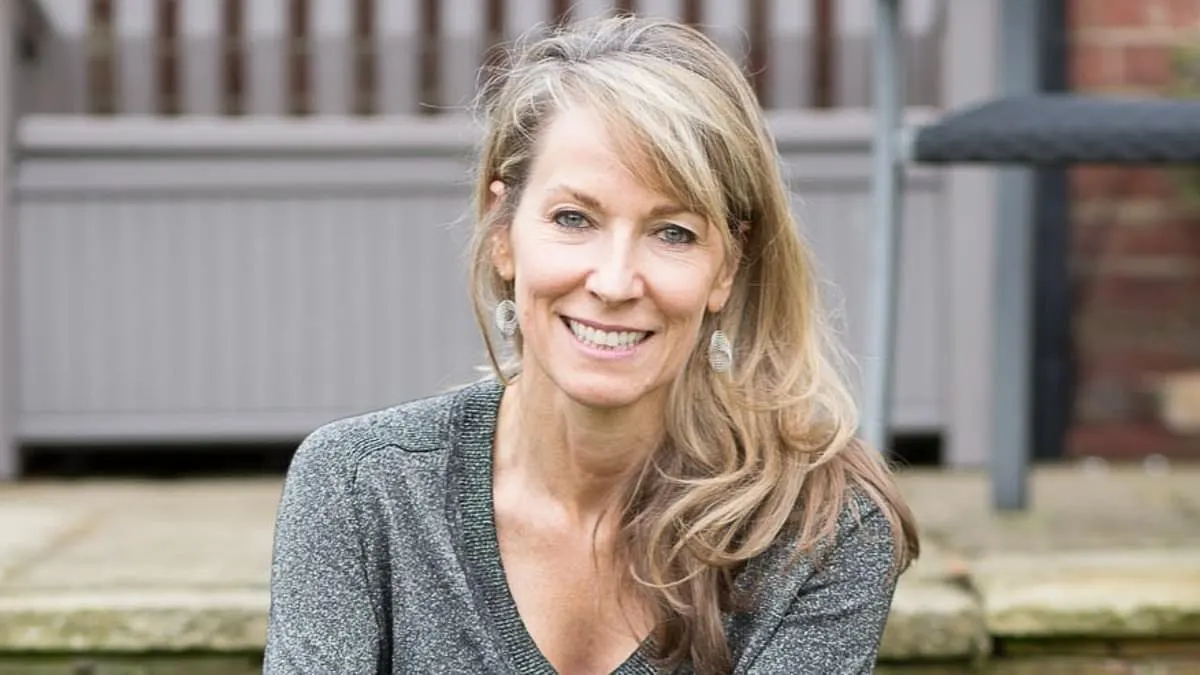
Sarah Vine questions Dr Renee Hoenderkamp’s decision to have a baby at 59, while acknowledging her intelligence, medical expertise and right to make that choice. Vine wishes Hoenderkamp and her family well, but argues that pregnancy and parenthood at this age bring significant physical, emotional and practical challenges.
Vine points to Hoenderkamp’s previous natural pregnancy at 50 and cites a Stanford study describing two periods of rapid age-related change, around 44 and 60. She says health, recovery and stamina can change in later life, and worries about whether an older parent will remain well enough to raise a child. The article ends mid-sentence as it begins to discuss Hoenderkamp’s reasons for having her first child later.
In short
- Dr Renee Hoenderkamp, 59, says she is 12 weeks pregnant.
- Sarah Vine wishes her well but questions the timing.
- Vine raises concerns about health, stamina and raising a child.
Steelman: both sides, in good faith
The strongest fair case each way — we don't pick a winner.
The case for
A woman who is able and willing to have a child at 59 may see parenthood as a deeply personal choice, and age alone need not determine her capacity to love, support and raise a child. Hoenderkamp’s previous pregnancy at 50 and medical knowledge may inform her decision, while advances in care and support from family could help address practical challenges. Respect for reproductive autonomy cautions against assuming that older parents cannot offer a child a secure, loving upbringing.
The case against
Pregnancy and parenting at 59 can bring substantial physical demands, and health, energy and recovery may become less predictable over the years a child needs care. A prospective parent may reasonably weigh the possibility of illness or reduced stamina against the child’s need for long-term support and stability. Those concerns can be raised without denying a woman’s autonomy or assuming that age alone makes someone an inadequate parent.
Explained simply
Dr Renee Hoenderkamp is a doctor and media commentator whose decision to become a parent later in life has prompted debate. Sarah Vine is a columnist writing about the choice from the perspective of someone the same age.
Pregnancy at 59 is uncommon, and fertility treatment may be involved, though the report does not explain how Hoenderkamp became pregnant this time. The discussion raises questions about the physical demands of pregnancy and parenting, and how a parent’s health and energy may change as a child grows.
People may weigh those concerns differently alongside an adult’s right to make decisions about having a family. The story also touches on the practical question of support for a child and family over the long term.