Technology news and discussion on TalkFuse.
School quango’s reports on new curriculum were ‘made using AI’… and full of ‘errors’
Education Scotland is facing criticism over curriculum reports after a University of Edinburgh lecturer found around 20 references he believes point to publications that do not exist. The papers were intended to provide evidence for reforms planned to guide teaching from 2028, raising questions about the reliability of material informing policy.
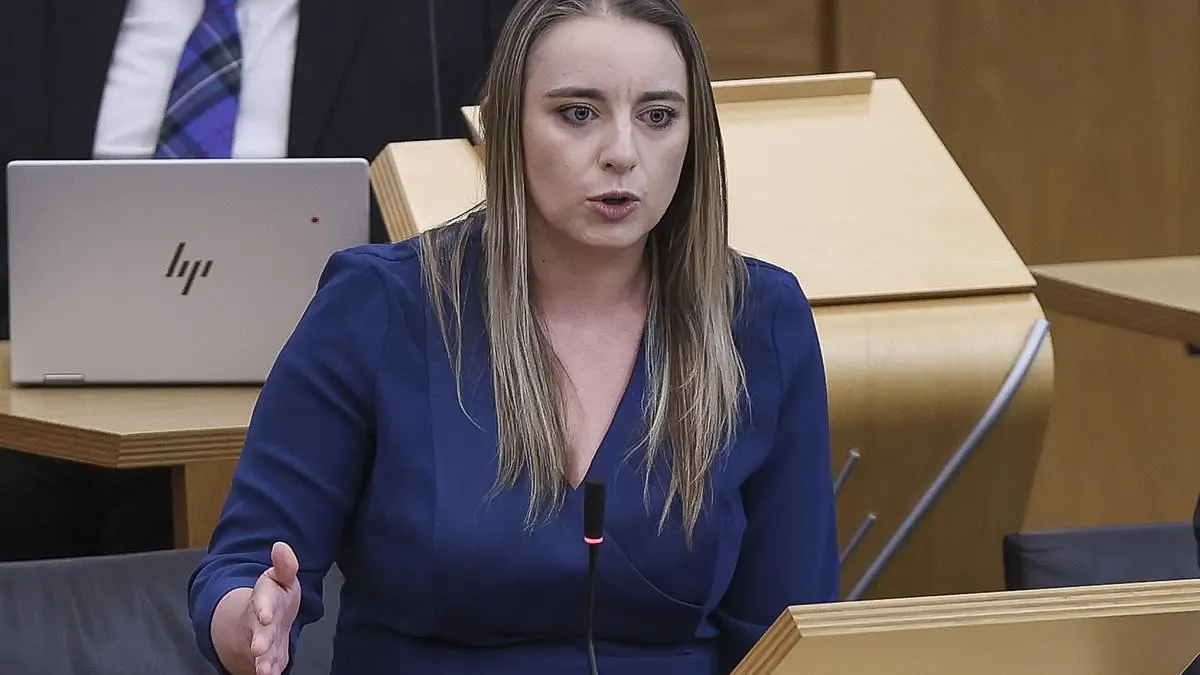
One report said more than 200,000 pupils had studied Higher PE, although fewer than 150,000 sat National 5, Higher and Advanced Higher qualifications combined this summer. Education Scotland corrected errors after being alerted in April and added a note saying AI was used to edit the papers; the lecturer questioned how extensively it had been used. The Scottish Government said the errors had been rectified, while Conservative education spokesperson Meghan Gallacher called for ministers to explain how concerns were handled.
In short
- Lecturer found about 20 references to apparently non-existent publications.
- A Higher PE pupil figure also appeared inconsistent with exam numbers.
- Education Scotland corrected the papers and noted AI had been used for editing.
Steelman: both sides, in good faith
The strongest fair case each way — we don't pick a winner.
The case for
The reports were intended to inform major curriculum reforms, so apparent nonexistent references and a striking pupil-number error warrant scrutiny; the lecturer’s questions and calls for ministers to explain the process are reasonable. Even if the errors have been corrected, the public needs confidence that evidence was checked carefully and that any use of AI did not undermine the reports’ reliability.
The case against
Errors in research reports are concerning, but they do not by themselves show that the wider evidence or planned reforms are unsound, particularly if the mistakes were corrected and disclosed. AI-assisted editing can be useful when subject experts remain responsible for checking sources and figures, so the key issue is the quality of review and correction rather than AI use alone.