Schumer dealt another blow as progressive insurgency scores win in key Senate battle
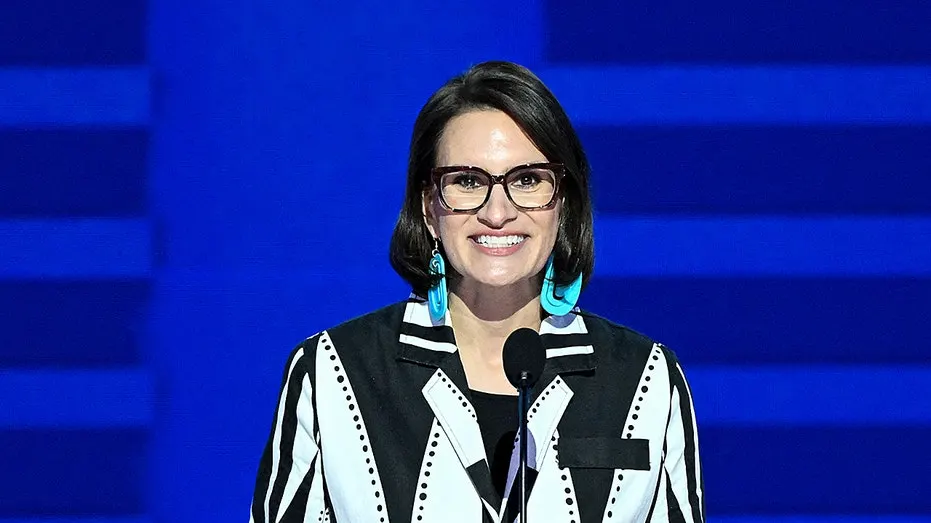
Minnesota Lieutenant Governor Peggy Flanagan defeated Rep. Angie Craig in the state's Democratic Senate primary, marking another win for the party's progressive wing over an establishment-backed contender during the current midterm election cycle. The result is being framed as a further setback for Senate Democratic leader Chuck Schumer, as insurgent left-leaning candidates continue to prevail over centrist figures in key primary races across the country.
Flanagan, who serves as Governor Tim Walz's second-in-command, narrowly won Tuesday's contest by emphasising left-wing policy positions, including support for measures such as "ripping ICE apart" at a campaign rally. Her victory over Craig, a sitting member of Congress, is presented as part of a broader pattern this cycle in which progressive challengers have unseated more moderate Democratic figures in several states.
- Peggy Flanagan beat Rep. Angie Craig in Minnesota's Senate primary.
- Result seen as another progressive win over Democratic establishment.
- Flanagan has voiced support for radical immigration enforcement stances.
New here? Start with this
A Senate primary is an election in which a party’s voters choose its candidate for the general election. Minnesota’s seat is one of two representing the state in the US Senate; Peggy Flanagan is the state’s lieutenant governor, while Angie Craig represents Minnesota in the House of Representatives.
Chuck Schumer leads the Democrats in the Senate, where party leaders help set priorities and organise their members. The contest reflects a wider debate within the party between candidates who favour more left-leaning policies and those seen as more centrist. The outcome matters because the candidate chosen will compete for the seat, and the balance of the Senate affects which legislation can pass.
Both sides, in good faith
The strongest fair case each way — we don't pick a winner.
The case for
Progressives argue that Flanagan's victory reflects the genuine energy and priorities of Democratic voters who are tired of cautious incrementalism. They contend that primary voters have legitimately chosen a candidate who clearly articulates their values on economic justice, immigration, and climate action, and that this kind of authentic conviction-driven politics generates the enthusiasm and turnout Democrats need to win. They further maintain that voters reward clarity and boldness, not triangulation, and that candidates who inspire their party's base ultimately perform better in general elections.
The case against
Moderates argue that whilst primary victories matter, general elections are decided by swing voters and independents who may not share progressive positions, particularly in states like Minnesota where competitive races can determine Senate control. They contend that Craig proved her electability by winning a congressional seat and represented a strategically valuable candidate who could appeal beyond the Democratic base. They believe that ideological purity in primaries risks losing seats to Republicans, and that Schumer's concern reflects the legitimate responsibility of party leadership to maximise Senate seats rather than optimise for ideological consistency.