Politics news and discussion on TalkFuse.
Schumer, Jeffries sidestep questions on nuking filibuster, launching Elon Musk probe after blue wave
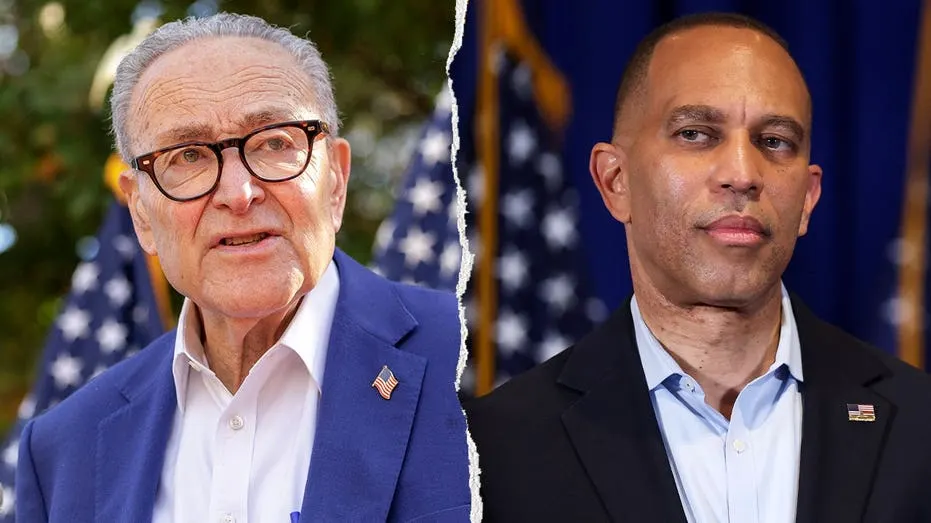
Senate Democratic leader Chuck Schumer and House Democratic leader Hakeem Jeffries avoided questions about their plans after Democrats won majorities in both chambers. Schumer did not say whether he would seek to end the Senate filibuster, while Jeffries declined to say whether House Democrats would investigate Elon Musk.
The filibuster debate has intensified after Donald Trump urged Republicans to scrap it to pass the SAVE America Act, and some Democrats have expressed openness to ending it. Schumer said he expected to be re-elected as Senate majority leader, though some newly elected Democrats oppose him. Musk has drawn calls for scrutiny over his former role leading the Department of Government Efficiency, federal contracts held by his companies and his involvement in cutting internet access to Ukraine’s military; Jeffries also faces internal opposition, including a petition reported to have more than 550,000 signatures.
In short
- Schumer sidestepped whether Democrats would end the filibuster.
- Jeffries did not say if Democrats would investigate Musk.
- Both leaders face questions about support within their party.
Steelman: both sides, in good faith
The strongest fair case each way — we don't pick a winner.
The case for
Supporters of ending the filibuster argue that when one party wins control of Congress, it should be able to pass its agenda, and that a Senate supermajority rule can frustrate majority rule and block widely supported measures. They may also favour investigating Musk to establish whether his government role, business interests and actions affecting Ukraine involved conflicts of interest or misuse of public power; congressional scrutiny can strengthen accountability.
The case against
Defenders of the filibuster argue that requiring broader agreement protects minority representation and encourages durable legislation, especially on contested questions such as voting rules. Those wary of a Musk investigation may argue that scrutiny should follow clear evidence and defined oversight questions, rather than political pressure, and that premature investigations could look partisan or distract from other priorities.
Explained simply
The Senate and House are the two chambers of the US Congress, which makes federal laws and oversees the government. The Senate filibuster is a procedure that can let senators delay or block a vote; ending or changing it could make it easier for a majority to pass legislation.
Chuck Schumer leads Senate Democrats and Hakeem Jeffries leads House Democrats. If their party holds majorities in both chambers, they would help set the legislative agenda, but each also faces questions about support within their own party.
Elon Musk is a businessman whose companies have federal contracts, and he previously led a government cost-cutting initiative known as DOGE. Questions about those contracts, his government role and his involvement in Ukraine’s internet access have prompted calls for congressional scrutiny.
Elections Government Politics World