Scientists discover new tick-borne virus after testing thousands of patients with mysterious illnesses
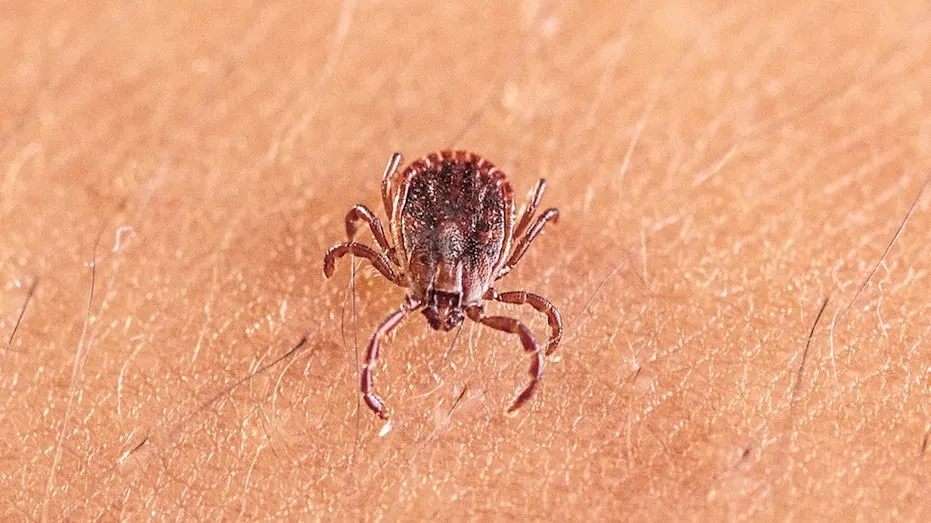
Chinese researchers have identified a new tick-borne virus, named the Asian longhorned tick nairovirus (ALTNV), after investigating years of unexplained illnesses in patients bitten by ticks. The virus, part of the orthonairovirus group, causes flu-like symptoms, fatigue, gastrointestinal upset, reduced blood platelet counts and signs of liver inflammation, and its discovery highlights how many undiagnosed tick-borne infections may still be circulating, particularly in regions where similar diseases are already common.
Scientists from the State Key Laboratory of Pathogen and Biosecurity in Beijing found ALTNV in 10.4% of 3,163 tick-bite patients tested since researchers began tracking mysterious illnesses in 2009. The virus is genetically distinct from Dabie bandavirus (DBV), which causes severe fever with thrombocytopenia syndrome and carries a mortality rate of around 30%; patients co-infected with both viruses were more likely to suffer respiratory and kidney complications, and seven of these (18.4%) died during the study. Experts note there is no specific antiviral for ALTNV, so treatment relies on supportive care, and they recommend standard tick-prevention measures such as covering skin, using repellents and checking for and promptly removing ticks after outdoor activity. The findings were published this week in the New England Journal of Medicine.
In short
- New tick-borne virus ALTNV discovered by Chinese researchers
- Causes flu-like illness, low platelets and liver inflammation
- Co-infection with another tick virus raised death risk
Explained simply
Ticks can spread infections when they bite people. Some tick-borne diseases cause fever and other flu-like symptoms, which can make them difficult to distinguish from common illnesses.
Researchers in China have been investigating patients whose symptoms after tick bites had no clear explanation. The newly identified virus belongs to a group called orthonairoviruses and is different from Dabie bandavirus, another tick-borne virus that can cause severe illness.
The discovery may help explain some illnesses that have previously gone undiagnosed. There is no specific antiviral treatment for this virus, so care focuses on easing symptoms; covering skin, using insect repellent and checking for ticks after time outdoors can reduce the chance of bites.
Americas Asia Health Medicine Research Science World