SCOTUS rejects Missouri GOP bid to use revised congressional map in midterms
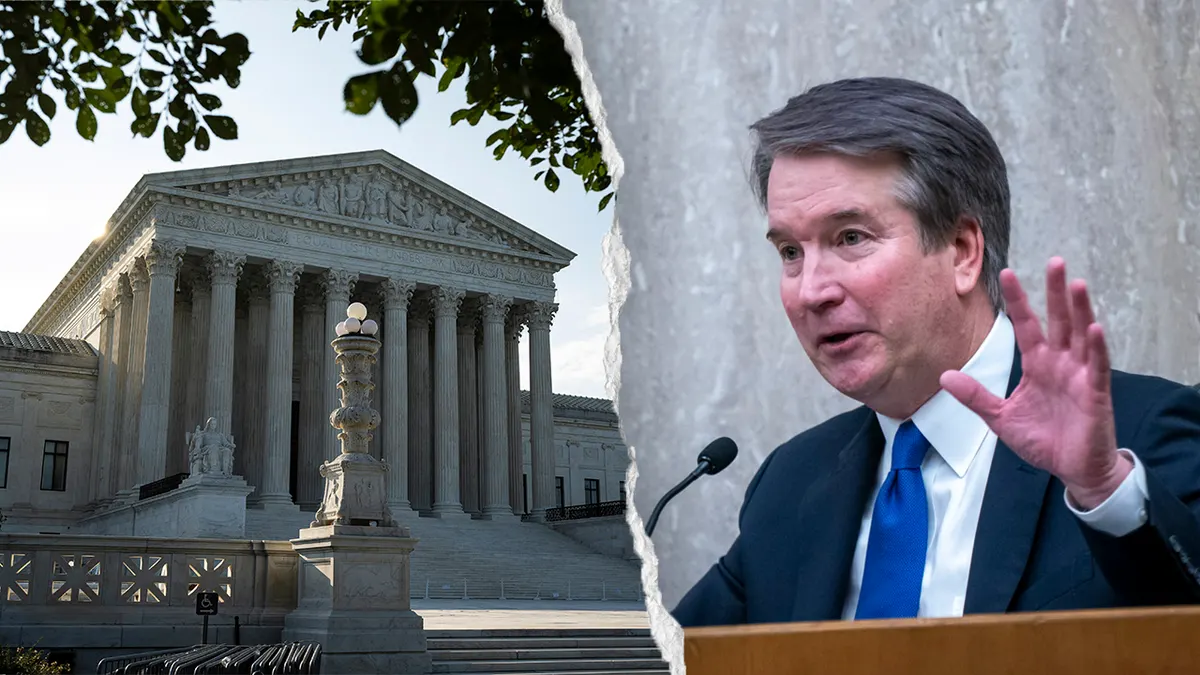
Missouri's congressional map for the November midterms was thrown into legal limbo on Tuesday after two courts issued conflicting rulings. Supreme Court Justice Brett Kavanaugh rejected an emergency appeal from the state seeking to revive its Republican-backed revised map, leaving intact a Missouri Supreme Court ruling that had blocked it, but hours later a federal district judge ordered officials to use that same revised map while litigation continues, creating dueling directives over which districts should govern the election.
The revised map, backed by President Donald Trump and state Republicans, aimed to make Democratic Rep. Emanuel Cleaver's Kansas City-area seat more Republican-friendly, potentially shifting the delegation from 6-2 to 7-1 in the GOP's favour. The Missouri Supreme Court had ruled the map never took legal effect because a voter referendum petition suspended it pending a statewide vote, meaning the 2022 districts should apply instead. Chief US District Judge Stephen Clark's 14-day temporary restraining order countered this, warning that using different maps for the primary and general elections would cause "widespread voter confusion" and undermine election fairness. Despite the unresolved conflict, Governor Mike Kehoe and Attorney General Catherine Hanaway said Missouri would proceed with the revised map under the federal court's order.
In short
- Missouri's congressional map is disputed by conflicting state and federal court rulings
- Supreme Court's Kavanaugh rejected GOP bid to revive the revised map
- Federal judge then ordered the state to use that map anyway, pending appeal
Steelman: both sides, in good faith
The strongest fair case each way — we don't pick a winner.
The case for
Supporters of the revised map can argue that a single set of districts should govern both the primary and general elections, avoiding the confusion and unfairness of changing boundaries between them. They may also contend that a federal court should ensure election rules are settled consistently while the dispute over the referendum petition is litigated.
The case against
Opponents can argue that the map never legally took effect because the referendum petition suspended it, so the 2022 districts should remain in force unless voters approve a change. They may see using the revised map before that question is resolved as overriding the state’s referendum process and giving one party an electoral advantage by reshaping a competitive seat.
Explained simply
Missouri elects members of the US House of Representatives from districts drawn on a map. The boundaries can affect which party has an advantage: the state currently sends six Republicans and two Democrats to the House.
The revised map was backed by President Donald Trump and Missouri Republicans. It would make Democratic Representative Emanuel Cleaver’s Kansas City-area district more favourable to Republicans, potentially changing the state’s delegation to seven Republicans and one Democrat.
Missouri voters can challenge laws through a referendum petition, which can suspend a new law while a vote is pending. The dispute over whether that process paused the revised map has put state election rules and federal court orders in tension.
Americas Elections Government Politics World