Secret Hollywood Group’s AI Plan Focuses on Defining How AI Is Used — While Keeping Humans in Control
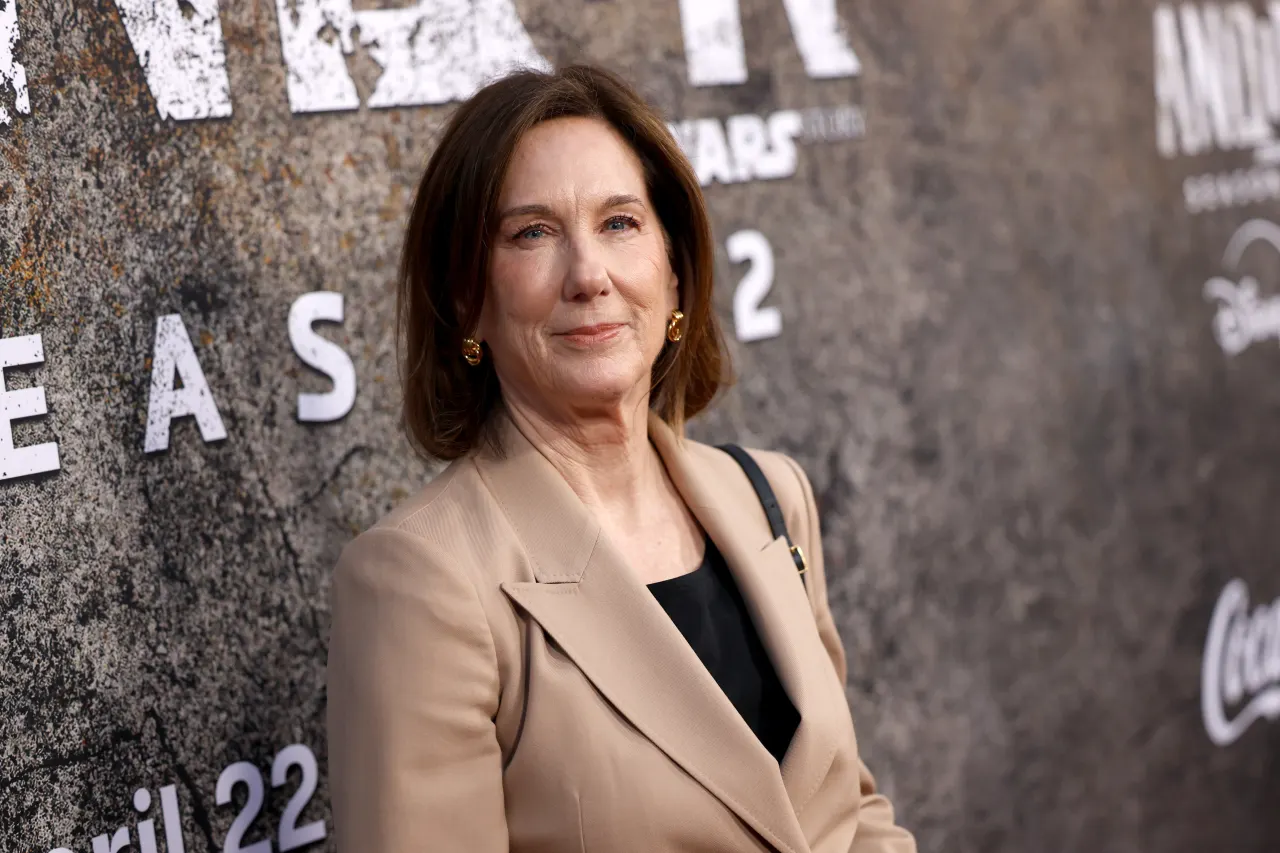
A coalition of senior Hollywood figures and Silicon Valley executives has been meeting secretly for three years to establish a shared framework for how artificial intelligence should be used in filmmaking, while keeping human creative control central to the process. Convened in November 2023 by Lucasfilm's Kathleen Kennedy and American Film Institute dean Susan Ruskin, the group's initiative matters because it signals a shift towards industry insiders publicly shaping AI policy themselves, rather than leaving the debate to studios, unions or tech firms alone, amid widespread anxiety in the creative community over deepfakes and AI training practices.
Following a weekend meeting attended by around 120 participants, the group produced a document called "Human Generative Workflows", first published by the Ankler, which aims to create a common vocabulary for authorship in the AI era and to distinguish minor tools, such as colour-grading assistance, from more contentious uses like synthetic performances replacing actors. Reported attendees include Ben Affleck, A24's Scott Belsky, CAA's Greg Siegel, Paramount+ executive Chris Parnell, producer Diane Becker, 30 Ninjas CEO Jed Weintrob and director Jon Avnet. The group acknowledges the framework does not tackle thornier issues such as how AI models are trained or their impact on jobs, describing it instead as a starting point for classifying AI use and identifying where such work might be copyrightable.
- Secret Hollywood-Silicon Valley group unveils AI framework after three years
- Document seeks shared vocabulary, keeps humans central to AI use
- Doesn't address AI training or job-loss concerns, group admits
New here? Start with this
Artificial intelligence can be used at many stages of filmmaking, from helping adjust colour to generating images, voices or performances. These uses raise questions about who made a creative work and how audiences can tell when a person’s performance has been created or altered by software.
Hollywood’s debate involves filmmakers, actors, studios and technology companies, with concerns including job losses, deepfakes and whether artists’ work is used to train AI systems. The law and industry practices are still developing, and different kinds of AI use may raise different questions about creative credit and copyright.
A shared way to describe AI’s role could help people in film discuss where it supports human work and where it may replace it. How AI systems are trained and what their wider effects could be remain separate, unresolved issues.
Both sides, in good faith
The strongest fair case each way — we don't pick a winner.
The case for
Industry professionals with deep expertise in both creative practice and technology development are uniquely positioned to craft nuanced AI guidelines reflecting actual filmmaking realities. Establishing a shared vocabulary distinguishing beneficial tools from more contentious applications protects artists' interests whilst enabling valuable innovation. Industry-led self-governance demonstrates responsibility and good faith, potentially preventing heavier-handed regulatory approaches that lack creative expertise. A collaborative framework developed amongst stakeholders with skin in the game creates ownership and encourages genuine adoption.
The case against
Creating governance frameworks in secret without transparent processes or input from unions and affected workers raises legitimate concerns that narrow industry interests may be prioritised over broader worker welfare. The acknowledged scope limitations—avoiding training data practices and employment impacts—suggest the framework may function more as talking points than substantive protections. Excluding those most vulnerable to AI displacement, such as actors and technicians, undermines the credibility of industry-led governance. Vague commitments to human control without specific, enforceable requirements risk providing cover for practices that harm creative workers.