Secret Service leadership warn of ‘massive increase’ in threats against the president
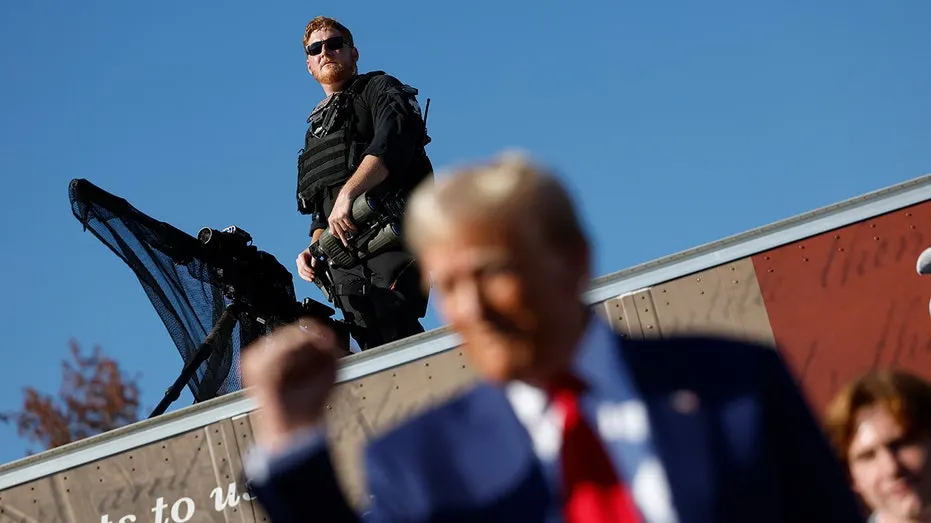
Secret Service Director Sean Curran said threats against people under the agency’s protection have risen by just over 40% in the past year, describing the increase as unprecedented. The figures were discussed in an interview with Curran and Deputy Director Matt Quinn, who cited online activity and mental health concerns as possible factors while declining to attribute threats to a particular political side.
The leaders said the agency does not weigh threats by political affiliation and pointed to concerns arising from events including the January 6 Capitol riots and assassination attempts against Donald Trump. Curran also said changing the president’s aircraft as a security measure was not unprecedented, but did not confirm whether decoy planes had been used before; Quinn said protecting the president takes priority over agents and other personnel. The agency faces continued scrutiny, while a group seeking FBI records related to the Butler, Pennsylvania, attack says the agency’s processing timeline is 12 years.
- Threats against Secret Service protectees rose just over 40% in a year.
- Leaders cited online activity and mental health as possible factors.
- The agency says presidential protection takes priority in its operations.
New here? Start with this
The Secret Service is the agency responsible for protecting the US president and other senior political figures. When threats against protected individuals increase significantly, it raises questions about security preparedness and agency resources.
Senior Secret Service officials have reported that threats against people under their protection have increased by over 40% in the past year, a level they describe as unprecedented. They have cited factors including online activity and mental health concerns, though they have not attributed the increase to any particular political group.
The reported surge comes as the Secret Service faces ongoing scrutiny of its security practices and procedures. Questions have been raised about how the agency investigates and responds to threats, particularly following high-profile incidents that have drawn public attention.