World news and discussion on TalkFuse.
Self-driving cars should be taxed to offset job losses, thinktank urges
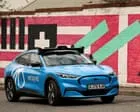
A thinktank, the Centre for British Progress, has urged the UK government to introduce taxes on self-driving cars now, warning that widespread adoption of autonomous vehicles (AVs) could threaten hundreds of thousands of private hire jobs and worsen road congestion. The call comes just weeks after the first robotaxis began operating on London's streets, with ministers projecting that up to 40% of new cars sold could have self-driving capability by the mid-2030s. The report argues that acting early, before a large constituency of AV owners emerges to resist charges, would ease the transition and create a new revenue stream to replace fuel duty, which is expected to decline as electric vehicles become more common.
The thinktank estimates a charge of around 88p per mile, matching the social cost of congestion, could raise £47bn annually by 2050, helping offset the roughly £27bn a year currently generated by fuel duty. It highlights risks to England's 417,000 taxi and private hire drivers, including 121,000 in London, and notes that nearly half the mileage driven by Waymo's robotaxis in California is with no passenger aboard, since running an empty vehicle costs little without a driver to pay. The Department for Transport forecasts a 24% rise in road miles by 2050 due to automated driving. However, Wayve, the British AV firm partnering with Uber in London, said such a tax would "penalise the UK's most promising innovators" and undermine the government's growth ambitions for the sector.
In short
- Thinktank urges UK to tax self-driving cars before mass adoption occurs
- Report warns of job losses for 417,000 taxi and private hire drivers
- Charge could raise £47bn a year by 2050, replacing lost fuel duty revenue
Steelman: both sides, in good faith
The strongest fair case each way — we don't pick a winner.
The case for
An early per-mile charge could make autonomous vehicles pay for congestion and help replace fuel-duty revenue as electric cars become more common. If AVs reduce demand for taxi and private-hire drivers, the tax could also provide funds to support affected workers and ease the transition before the technology becomes widespread.
The case against
A new charge could raise costs for a still-emerging industry and weaken investment in British autonomous-vehicle firms, potentially slowing innovation and the economic benefits the technology may bring. A tax set at the estimated social cost of congestion could also burden useful journeys before AVs’ actual effects are clear; targeted worker support or congestion measures might address those concerns more directly.
Explained simply
Self-driving cars use sensors and software to travel with little or no input from a person behind the wheel. Robotaxis are vehicles that carry passengers without a human driver; services have begun operating in some places, while wider use in the UK is expected to grow over time.
The Centre for British Progress is a thinktank, and its proposal concerns how self-driving cars might be taxed. Taxi and private hire drivers could be affected if driverless services take on some journeys, while more vehicle use could add to congestion.
Fuel duty is a tax on fuel that brings money to the UK government, but electric cars do not use petrol or diesel. The debate is therefore also about how to fund transport and manage the effects of new technology as the number of electric and self-driving vehicles changes.
Americas Art Business Celebrity Culture Economy Entertainment Technology UK World