Rand Paul releases Fauci diary before Senate origins testimony
Developed over time first seen 2 months ago
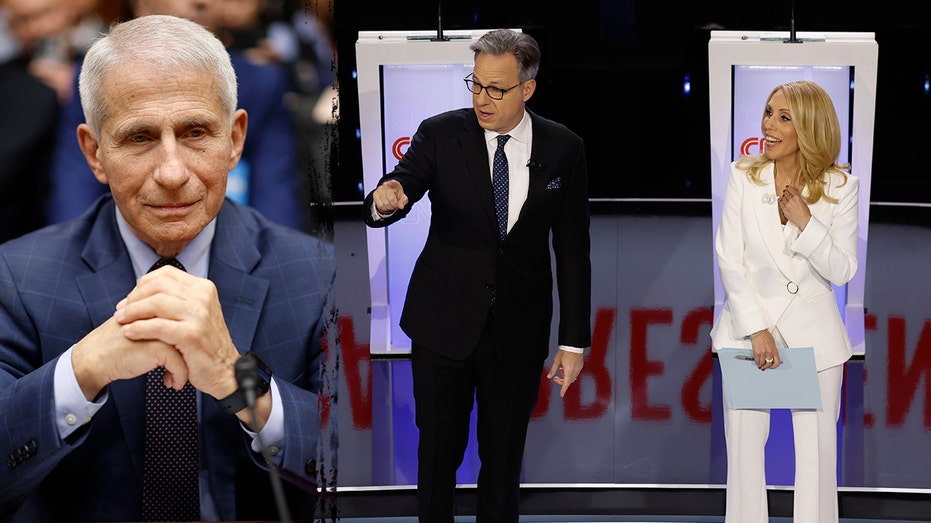
Senator Rand Paul released a 1,141-page collection of Dr Anthony Fauci's pandemic-era diary entries in the run-up to Fauci's testimony before the Senate committee Paul chairs, which is investigating the origins of Covid-19. The timing of the release, coming just before the former public health official's scheduled appearance on 29 July 2026, sharpened political scrutiny of whether his private assessments during the crisis diverged from what he said publicly at the time.
The diary reportedly includes exchanges with journalists, among them CNN's Jake Tapper, which critics say reveal inconsistencies between Fauci's private views and his public statements, particularly on the virus's origins. Robert F. Kennedy Jr said the entries showed Fauci had put his media profile ahead of public health concerns, a claim echoed by other conservative critics, while the release itself became a central talking point ahead of his committee testimony.
- Rand Paul released 1,141 pages of Fauci's pandemic diary entries
- Release timed just before Fauci's Senate origins testimony on 29 July 2026
- Critics say diary shows gaps between Fauci's private and public views
New here? Start with this
Rand Paul is a Republican senator from Kentucky who chairs a Senate committee investigating the origins of Covid-19. Dr Anthony Fauci was the top US government adviser on infectious diseases throughout the pandemic and became a lightning rod for criticism over how the response was handled, including questions about whether the virus emerged naturally or leaked from a laboratory. Fauci is due to testify before Paul's committee, giving lawmakers a chance to question him directly.
Ahead of that appearance, Paul has published a large set of Fauci's personal diary entries from the pandemic period, which reportedly include his private exchanges with journalists. The interest lies in comparing what Fauci said privately, including to reporters such as CNN's Jake Tapper, with what he said in public at the time.
This matters because Fauci remains a deeply polarising figure in American politics, and the pandemic response, particularly questions around Covid-19's origins, continues to be a contested and heavily scrutinised issue. Robert F. Kennedy Jr, a prominent critic of Fauci, is among those who have commented on the diary's contents, underlining how the story sits within a broader, long-running political dispute rather than a single isolated event.
Both sides, in good faith
The strongest fair case each way — we don't pick a winner.
The case for
Those who welcome the diary's release argue that Fauci was arguably the most consequential unelected official of the pandemic, and that the public is owed full transparency about whether his private judgements on issues like the virus's origins matched what he told the American people at the time. On this view, releasing the material before his testimony is a legitimate oversight tactic, ensuring the committee and the public can question him with the fullest possible record rather than relying on his own recollection or curated public statements.
The case against
Critics of the release, or of the way it is being used, argue that publishing a former official's private diary just before a hearing looks less like transparency and more like an attempt to prejudge and pressure a witness through selective framing in the media. They contend that private notes capturing evolving scientific uncertainty, or candid remarks to journalists, are not evidence of deception, and that judging Fauci's public communication against the fast-changing, imperfect knowledge available at the time risks unfairly recasting normal scientific caution as concealment.
Coverage
- Fox News — Fauci’s diary shows he fed questions to journalists, built friendships with media figures
- Fox News — RFK Jr says Fauci prioritized ‘getting on TV’ over public health after revealing diary release
- NPR — Rand Paul releases Anthony Fauci’s pandemic-era diary notes. Here’s what they tell us
AI Americas Art Business Celebrity Culture Entertainment Gaming Geopolitics Government Health Markets Medicine Politics Technology TV UK World