Seneca Nation leader calls Trump’s Lake America renaming ‘unpresidential,’ demands reversal
Developed over time first seen 2 months ago
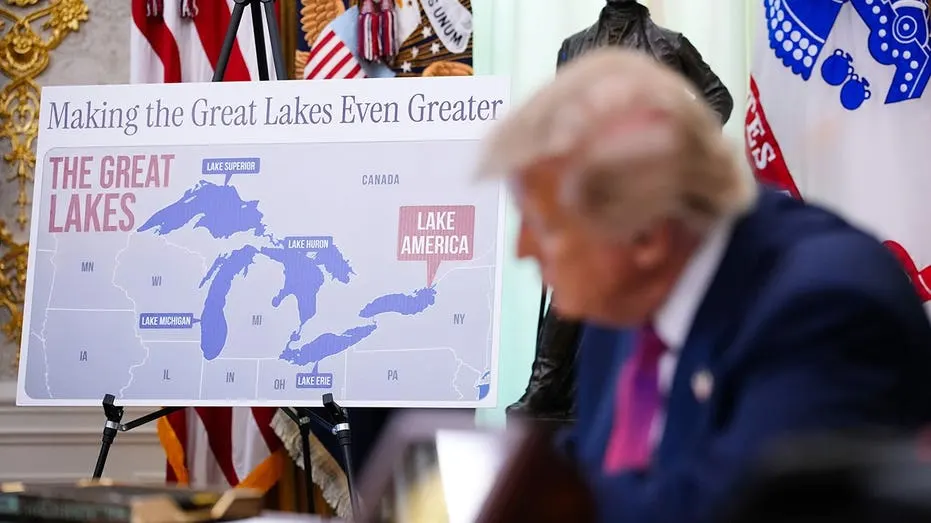
The leader of the Seneca Nation of Indians publicly demanded that President Donald Trump reverse his executive order renaming Lake Ontario "Lake America," calling the move "unpresidential" and a breach of longstanding treaty obligations. Nation president J. Conrad Seneca said the order disregarded the lake's Indigenous heritage and violated the 1794 Canandaigua Treaty, under which the United States promised Indigenous nations peaceful coexistence and free use of their lands, and he urged Native groups and elected officials across parties to oppose the change. No reversal or further response from the White House followed.
Seneca noted the lake's traditional name, sga:nyodai:yoh, means "beautiful lake" in the Seneca language and predates European settlement, having been used by Seneca and Haudenosaunee peoples for diplomacy and travel for thousands of years. Trump had announced the renaming on the Thursday before, signing the order in the Oval Office and likening it to his earlier renaming of the Gulf of Mexico as the "Gulf of America," amid an escalating trade dispute with Canada that included steep US tariffs. Canadian Prime Minister Mark Carney also condemned the move, noting the lake's name predates both Canadian Confederation and American independence by over 400 years.
- Seneca Nation leader demands Trump rescind "Lake America" renaming of Lake Ontario
- Cites 1794 Canandaigua Treaty and Indigenous heritage of the lake's name
- Move came amid US-Canada trade war; Carney also criticised the renaming
New here? Start with this
Sga:nyodai:yoh, meaning "beautiful lake" in the Seneca language, is the traditional Indigenous name for Lake Ontario, used by the Seneca and Haudenosaunee peoples for thousands of years before European settlement. President Donald Trump has issued an executive order renaming the lake "Lake America," directing Interior Secretary Doug Burgum to update federal geographic records to reflect the change.
The 1794 Canandaigua Treaty is an agreement between the United States and the Haudenosaunee Confederacy, which includes the Seneca Nation, promising peaceful coexistence and the nations' free use of their lands. J. Conrad Seneca, president of the Seneca Nation of Indians, has objected to the renaming, arguing it disregards this treaty and the Indigenous heritage attached to the lake's original name.
The dispute also touches on relations with Canada, since Lake Ontario sits on the US-Canada border and the renaming came amid tension between the two countries over trade. Canadian Prime Minister Mark Carney has criticised the change as well, pointing out that the lake's established name predates both Canadian confederation and American independence.
Both sides, in good faith
The strongest fair case each way — we don't pick a winner.
The case for
Supporters of the renaming would argue that a sitting president has clear authority to direct federal agencies on how geographic features are officially designated, much as past administrations have renamed peaks, parks and other landmarks. They would say that asserting a distinctly American name for a lake bordering the United States is a legitimate expression of national identity and sovereignty, particularly amid tensions with a neighbouring country, and that such symbolic gestures fall well within a president's traditional prerogative over federal nomenclature.
The case against
Critics, led by Seneca Nation President J. Conrad Seneca, would argue that renaming the lake disregards binding treaty commitments, including the 1794 Canandaigua Treaty, and erases thousands of years of Indigenous history and language tied to the site. They would contend that using a name change as a bargaining chip in a trade dispute trivialises Indigenous heritage for political ends, and that honouring the original name and existing agreements reflects a broader duty to respect Native sovereignty and the constitutional standing of ratified treaties as the supreme law of the land.
Full account
President Donald Trump's executive order renaming Lake Ontario as 'Lake America' has drawn a sharp rebuke from the Seneca Nation of Indians, whose president, J. Conrad Seneca, branded the move 'unpresidential' and called for it to be scrapped. The order, signed on Thursday and directing the US Interior Department to adopt the new name for federal purposes, was issued in the context of an escalating trade dispute between Washington and Ottawa. It carries no legal force outside the United States, meaning Canada and international bodies are under no obligation to recognise the change, but it has nonetheless triggered a wave of criticism on both sides of the border.
In a statement issued through the Seneca Nation's newsletter the day after the order was signed, Seneca argued that the president had no right to claim ownership of Indigenous culture or to erase it through what he called reckless political theatre. He pointed out that the lake already carries a name rooted in the region's original inhabitants, rendered in the Seneca language as sga:nyodai:yoh, meaning 'beautiful lake', and used by the Seneca and other Haudenosaunee nations long before European settlement. He further invoked the 1794 Canandaigua Treaty, signed under President George Washington, which pledged peace and friendship with the Seneca and guaranteed their lasting use of tribal lands, arguing that Trump's order breached those commitments and, by extension, Article 6 of the US Constitution, which enshrines treaties as the supreme law of the land. He urged Indigenous groups and elected officials of all political stripes to oppose the renaming.
North of the border, the reaction has centred less on treaty law and more on national pride and defiance. Ontario's premier, Doug Ford, unveiled a sign at a lakeside park in Hamilton declaring 'Lake Ontario, Now and Always', framing the gesture as proof that Canadians would not be intimidated. He and Canadian Prime Minister Mark Carney both stressed the lake's long history under its existing name, with Carney noting that 'Ontario' derives from the Wendat word Ontari'io, meaning 'the lake is beautiful, the lake is big', a name predating both Canadian Confederation and American independence by centuries. Carney also took a pointed swipe at the scale of change underway in the United States under Trump, listing trade policy, foreign affairs and even place names among the shifts.
Rather than step back, Trump doubled down, posting an AI-generated clip to his Truth Social platform showing himself knocking down a Lake Ontario sign and replacing it with one reading 'Welcome to Lake America'. The episode has become emblematic of the wider friction between the two governments over trade, with symbolic gestures on both sides doing much of the talking. For the Seneca Nation, however, the dispute is not primarily about US-Canada relations at all, but about what its leadership sees as a disregard for Indigenous heritage and for treaty obligations the United States has held for more than two centuries.
Where outlets differ
Fox News's report centres on the Seneca Nation's objection, framing the story around Indigenous heritage and the 1794 Canandaigua Treaty, and does not mention Ford's sign unveiling or Trump's video response.
The Daily Mail's report focuses on the US-Canada political theatre — Trump's AI-generated video and Doug Ford's and Mark Carney's public rebuttals — and does not reference the Seneca Nation's statement at all.
The two accounts emphasise different stakeholders: one highlights a domestic Indigenous-rights and constitutional argument, the other a diplomatic spat between the Trump administration and Canadian officials.