World news and discussion on TalkFuse.
Senior US official undercuts CNN’s alarming Iran ‘dirty bomb’ report: ‘It’s not new’
Developed over time first seen 1 day ago
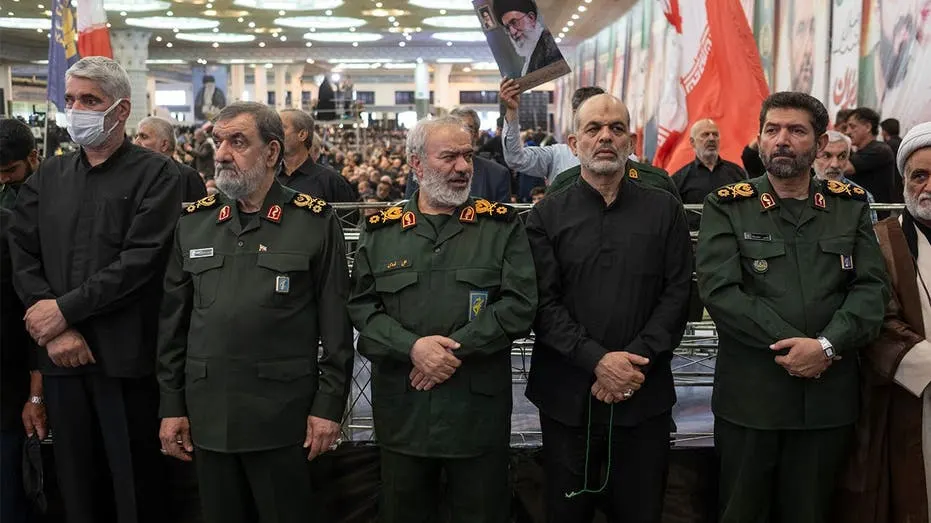
A senior US official has questioned the significance of a report that Iran had explored plans for a radiological or chemical attack on senior Trump administration officials in Washington. The official said the information was not new and argued that an attack on a US city would trigger a full-scale war, while the White House said there were no credible threats to the homeland.
The intelligence described planning to develop possible options, not evidence of an imminent attack, and officials differ over Iran’s ability or willingness to carry one out. A dirty bomb uses conventional explosives to spread radioactive material without a nuclear explosion; an expert said Iran could make one but would need skilled help inside the US. US authorities have worked on radiological threat detection since the Department of Homeland Security launched its Securing the Cities programme in 2007.
- Sources
- 2
- Outlets
- 1
- Left · Centre · Right
- 0 · 0 · 2
In short
- US official says the Iran planning report is not new.
- Intelligence described possible options, not an imminent attack.
- The White House said there were no credible homeland threats.
How this story developed
- 1 day ago A senior US official has questioned the significance of a report that Iran had explored plans for a radiological or chemical attack on senior Trump administration officials in Washington.
Full account
A senior US official has played down the novelty of intelligence reportedly describing possible Iranian plans for an attack on senior Trump administration figures in Washington. CNN reported that American agencies had identified efforts to develop options involving a radioactive ‘dirty bomb’ or a chemical weapon. The official, speaking to Fox News, said the information was ‘not new’ and argued that Iran would understand the consequences of attacking an American city. The reported intelligence concerns possible plans, rather than evidence that an attack is imminent, and officials were said to differ over whether Tehran could or would carry one out.
Asked about the report during a visit to Manila on Tuesday, President Donald Trump said his administration was examining it and warned of an extraordinary response if a threat to Washington materialised. He said he hoped there was no imminent danger, while stressing that the matter was being taken seriously. White House spokesperson Lauren Bis said officials continued to monitor potential threats but that there were currently no credible threats to the US homeland. Those statements leave a distinction between intelligence about possible attack options and an identified, immediate threat.
Iran rejected the allegation. Deputy Foreign Minister Kazem Gharibabadi called the claim about a planned chemical attack in Washington a ‘shameful lie’ and pointed to Iran’s experience of chemical warfare. A dirty bomb would use a conventional explosion to disperse radioactive material; it would not produce a nuclear blast. Andrea Stricker, a non-proliferation specialist quoted by Fox News, said Iran had the technical knowledge to make such a device or a chemical weapon, but an operation in the United States would also require someone there able to handle the materials and carry it out. Her assessment of capability does not establish that an attack has been ordered.
The reports come against a longer history of alleged Iranian plots against people in the United States, which provides context but does not confirm the new allegations. The second Fox News account also describes a separate, reportedly foiled plot against an Israeli executive in Greece, citing an Israeli news outlet. That case is distinct from the intelligence concerning Washington. For now, the public accounts present an unresolved picture: reported planning for possible attacks, a US official’s view that the intelligence is longstanding, an emphatic Iranian denial and a White House statement that it sees no credible current threat to the homeland.
Where outlets differ
From the full account, which is AI-written from the sources:
The first report centres on the senior US official’s assessment that the intelligence is longstanding, and adds expert discussion of what an attack would require. The second gives greater prominence to Iran’s denial and to a separate alleged plot in Greece. Both recount Trump’s warning and the White House statement that there is no credible current threat to the homeland.
Steelman: both sides, in good faith
The strongest fair case each way — we don't pick a winner.
The case for
The report may warrant serious attention because intelligence about possible radiological or chemical attack options could signal a risk that merits scrutiny, even if it is not new or evidence of an imminent plot. A dirty bomb could cause harm and disruption, and Iran might be able to carry one out with skilled assistance, so officials should take precautions and explain the threat clearly.
The case against
The information describes planning for possible options, not an imminent attack, and the official’s account suggests it was already known. Since an attack on a US city could provoke full-scale war, Iran would face a grave deterrent; the White House also says there are no credible threats to the homeland. Treating the report as evidence of an immediate danger could overstate what the intelligence establishes.
Explained simply
A dirty bomb uses ordinary explosives to scatter radioactive material; it does not cause a nuclear explosion. The effects depend on the material and how it is spread, and making a device is different from carrying out an attack.
US officials have long assessed possible threats from Iran, whose government has a tense relationship with the United States. Intelligence about plans or options can indicate what has been considered, but does not by itself show that an attack is imminent or that it could be carried out.
The US has developed ways to detect radioactive material in cities, including through a programme launched in 2007. The issue matters because a radiological attack could cause harm and disruption, while claims about threats can also affect public concern and relations between the two countries.
Coverage · 2 sources
Bias meters
From 2 rated sources.
Americas Government Middle East Politics World