Sex was ‘huge preoccupation for Russell Brand’, former flatmate tells trial
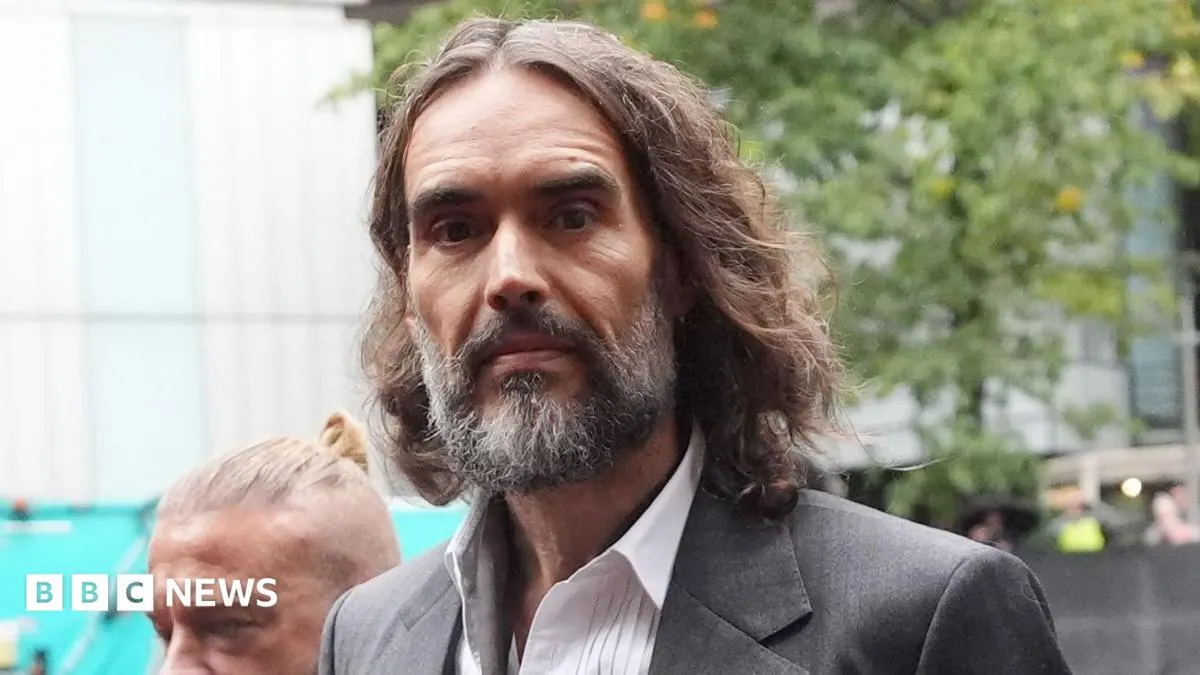
A former flatmate told a jury that sex was a “huge preoccupation” for Russell Brand, as he gave evidence at Brand’s trial at Southwark Crown Court. The testimony relates to a woman’s allegation that Brand raped her in a Bournemouth hotel in 1999; Brand denies all charges and says any sexual contact was consensual.
Andrew Dobson said Brand was lively, egotistical and persuasive, and recalled him returning to the guesthouse the morning after the alleged rape in a rushed, tense atmosphere. Brand, 51, faces seven charges involving six women, concerning alleged offences between 1999 and 2009: three counts of rape, three of sexual assault and one of indecent assault. The trial is expected to last six weeks.
- A former flatmate described sex as a major preoccupation for Brand.
- He recalled a tense, hurried return to a guesthouse in 1999.
- Brand denies seven charges relating to six women.
New here? Start with this
Russell Brand is a British comedian and broadcaster who is on trial at Southwark Crown Court in London. The case concerns allegations by six women about incidents said to have taken place between 1999 and 2009.
Brand faces seven charges, including rape and sexual assault, and denies them all. He says any sexual contact was consensual; the jury will consider the evidence before reaching a verdict.
Both sides, in good faith
The strongest fair case each way — we don't pick a winner.
The case for
The prosecution may argue that Dobson’s description of sex as a major preoccupation, alongside his account of Brand’s tense return to the guesthouse, gives the jury relevant context when assessing the complainant’s allegation. They may say such testimony should be considered with the other evidence, while recognising that it does not by itself establish what happened in the hotel.
The case against
The defence may argue that a witness’s broad impression of Brand and recollection of his demeanour the next morning cannot prove whether the encounter was non-consensual. They may urge the jury to decide the allegation on evidence directly related to that night, and to preserve the presumption of innocence while Brand denies the charges.