World news and discussion on TalkFuse.
Shabana Mahmood backs ban on police marching in Pride events in uniform
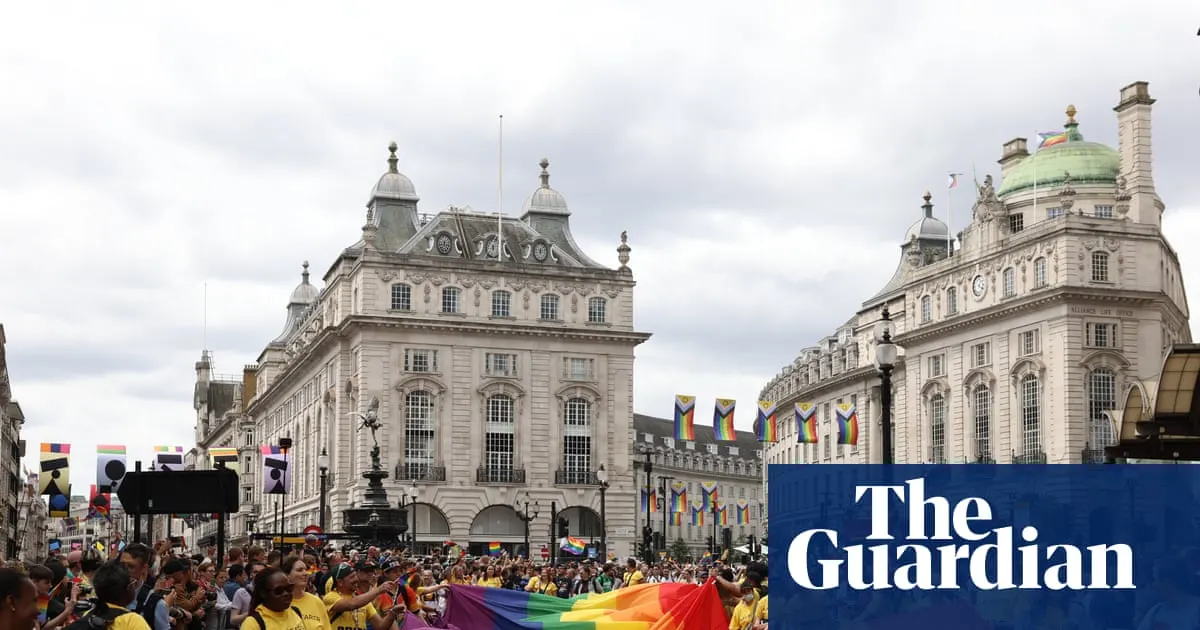
Home Secretary Shabana Mahmood has backed a ban on police officers marching in Pride events while in uniform, arguing that a new impartiality standard could help restore public confidence in law enforcement. She said there was no systematic or routine two-tier policing, but cited a small number of cases of differential treatment that had weakened trust.
One example was Northumbria officers’ participation in a Pride event last year, which a court ruled breached their duty of impartiality; Wiltshire police also faces a court challenge over a stall at a Swindon Pride event. City of London Police deputy commissioner Nik Adams warned that describing LGBTQ+ issues as contested could make LGBTQ+ people feel less safe. Mahmood also criticised some anti-racism guidance, while police leaders highlighted the need to balance impartiality with engagement across communities.
In short
- Mahmood supports a ban on uniformed officers marching at Pride.
- She says isolated cases have damaged confidence, but rejects claims of routine two-tier policing.
- Police leaders warn impartiality rules must account for community needs and LGBTQ+ safety.
Steelman: both sides, in good faith
The strongest fair case each way — we don't pick a winner.
The case for
A uniformed march can appear to endorse a political or contested position, even when officers intend to show inclusion, and that perception may undermine confidence in police impartiality. A clear ban could set a consistent standard across forces and help address concerns about differential treatment, while leaving officers free to attend Pride in a personal capacity.
The case against
Uniformed participation can reassure LGBTQ+ people that police recognise and support their safety, and can strengthen relationships between officers and communities. A ban risks treating visible inclusion as improper partiality, making some people feel less protected and weakening the trust and engagement that effective policing depends on.
Explained simply
Police forces in England and Wales are expected to act impartially, while also building relationships with the communities they serve. Pride events are public celebrations of LGBTQ+ people and rights, and police have sometimes taken part in uniform or run stalls there.
Shabana Mahmood is the UK Home Secretary, responsible for policing policy in England and Wales. Police chiefs and officers make decisions about how their forces engage with local communities, within legal duties and national guidance.
The debate concerns how police can show impartiality while maintaining public trust and helping people feel safe. Court rulings and challenges over police participation at Pride events have raised questions about where that balance lies.