World news and discussion on TalkFuse.
Shark Week puts shark bite survival in focus with ER doc’s expert tips
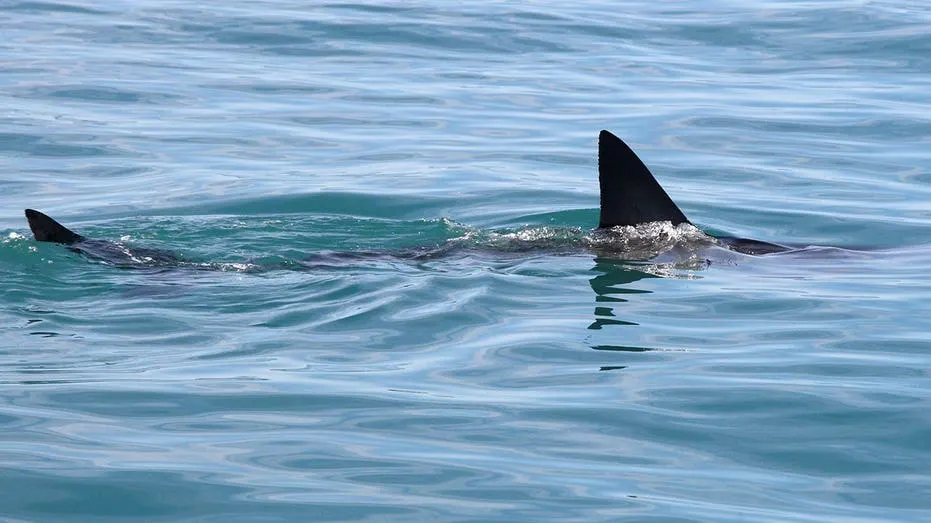
With Shark Week highlighting the rare but serious risk of shark attacks, a South Carolina-based emergency medicine physician, Dr Kenneth J. Perry, has outlined the vital first-aid steps that bystanders and victims should take in the crucial first five minutes after a bite, when swift action is said to be the biggest factor in survival. The advice comes amid a run of shark incidents in the US this summer, including a New York beach closure over bull sharks, a swimmer bitten in Queens, and a child attacked in shallow water in Florida.
Shark researcher Chris Fischer, founder of OCEARCH, has also weighed in, noting that shark populations have rebounded to levels last seen in the 1960s, and advising beachgoers to swim in "quiet areas" of the ocean and avoid the water when bait fish are active in order to reduce risk. Despite the recent cluster of incidents, shark encounters remain described as exceedingly rare overall.
In short
- ER doctor shares first-aid steps for shark bite emergencies
- Recent US shark incidents include New York and Florida attacks
- Shark expert says populations have rebounded to 1960s levels
Explained simply
Shark attacks have returned to public attention following a cluster of incidents along American beaches this summer. Whilst shark encounters remain exceptionally rare, these recent bites in multiple states have prompted medical and research experts, including emergency physician Dr Kenneth J Perry, to discuss ocean safety and survival.
Marine researcher Chris Fischer of the organisation OCEARCH has noted that shark populations have rebounded significantly, returning to levels not seen since the 1960s. This development has brought increased focus to beaches, where growing shark populations coincide with summer swimming season.
The timing of Shark Week has brought shark safety concerns to the fore. Whilst these recent incidents are serious, they occur within a broader context where shark encounters remain extraordinarily rare, and understanding the actual risk can help swimmers and beachgoers make informed decisions.