Sheffield taxi company owner shares fears attacks are fuelled by ‘racism’
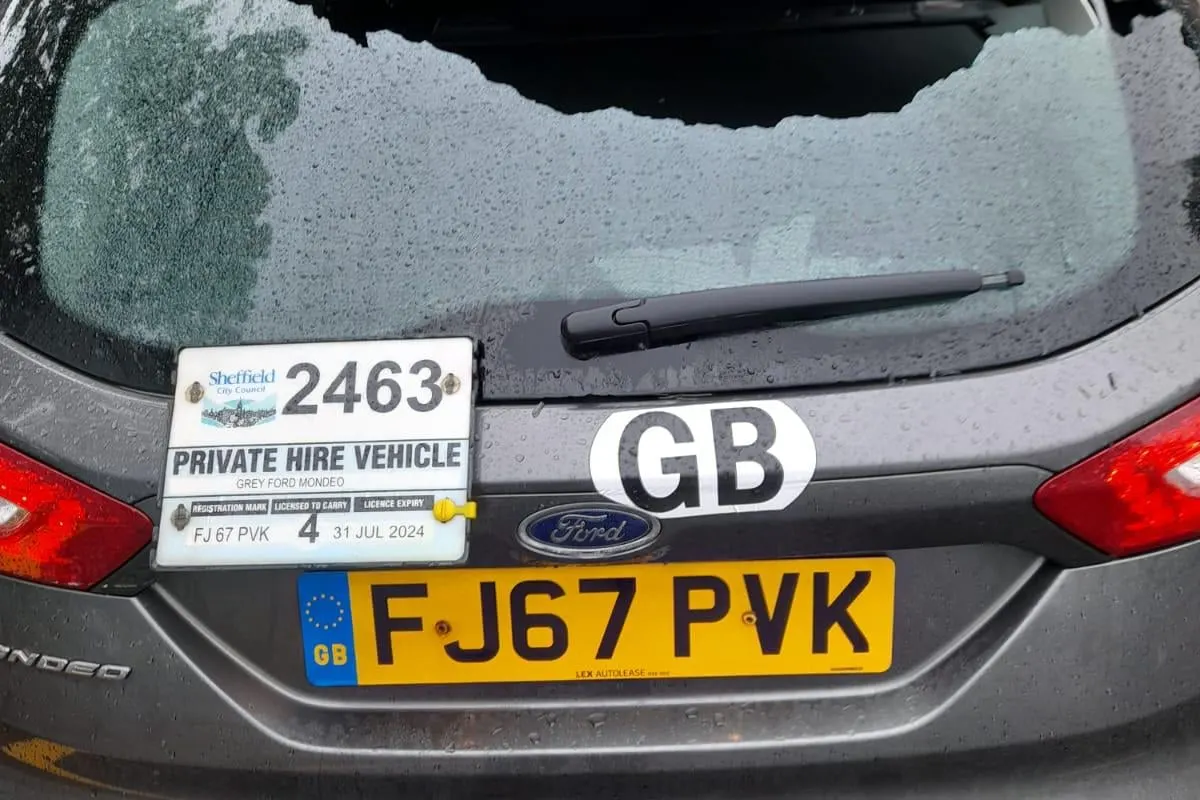
A Sheffield taxi leasing company director has expressed concern that drivers are experiencing a rise in racist attacks, with incidents escalating in recent months. He reports that some drivers have removed official city council logos from vehicles to avoid identification as taxis, a defensive measure he believes should be unnecessary. Specific incidents include vehicle damage and an encounter where a group approached a driver at a supermarket car park.
South Yorkshire Police has stated they have not observed a corresponding increase in hate crime reports against taxi drivers, with such incidents comprising only a small fraction of total hate crimes investigated. Police acknowledged that taxi drivers face inherent vulnerability due to their work nature and public interaction, and confirmed they have engaged with community outreach and provided reporting options for victims.
- Sheffield taxi company owner reports increasing racist attacks on drivers; some removing vehicle ID markers to reduce targeting
- South Yorkshire Police data contradicts the 'recent rise' claim, showing taxi drivers represent only 1.45% of recorded hate crimes in the period measured
New here? Start with this
South Yorkshire drivers who lease cars from taxi firms in the city work under a licensing system run by Sheffield City Council, with vehicles usually marked by official council logos so passengers can identify legitimate taxis. Drivers spend long hours alone in public-facing roles, taking fares from strangers, which has long been recognised as a job with particular safety risks.
The concern raised here comes from someone who runs a company that leases cars to taxi drivers in the city, giving him regular contact with a large number of drivers and insight into what they encounter on the road. South Yorkshire Police is the force responsible for recording and investigating crime across the region, including hate crime, and for engaging with communities such as taxi drivers on safety issues.
Hate crime is a term used by police for offences where a victim is targeted because of their race, religion or another protected characteristic, and forces monitor trends in such reports as part of their broader crime data. This story matters because it touches on the safety of a visible group of public-facing workers and raises questions about how concerns raised by those on the ground compare with what is reflected in official police statistics.
Both sides, in good faith
The strongest fair case each way — we don't pick a winner.
The case for
Those who take the taxi director's warning seriously point out that frontline workers such as drivers are often the first to notice a shift in the atmosphere they face daily, well before it shows up in official statistics, and that hate crime is notoriously underreported because victims fear reprisals, doubt police will act, or simply want to get on with their shift. On this view, the fact that drivers are removing council logos to avoid being identified is itself compelling evidence of genuine fear, and dismissing such testimony because it isn't yet reflected in police figures risks leaving a vulnerable, often minority-ethnic workforce unprotected while the problem grows.
The case against
Those who urge caution note that South Yorkshire Police, drawing on systematic reporting data rather than individual anecdotes, have found no measurable rise in hate crimes against taxi drivers and that such incidents remain a small share of overall hate crime, suggesting the perception of an escalating racist campaign may not match the broader pattern. On this view, taxi driving is an inherently exposed job involving late hours, cash handling and contact with the public, so isolated ugly incidents, while real and regrettable, should be assessed through consistent evidence rather than framed as a coordinated racist trend without data to support that specific characterisation.