Sheffielders react to Andy Burnham’s bold idea to scrap the alcohol ban in football grounds
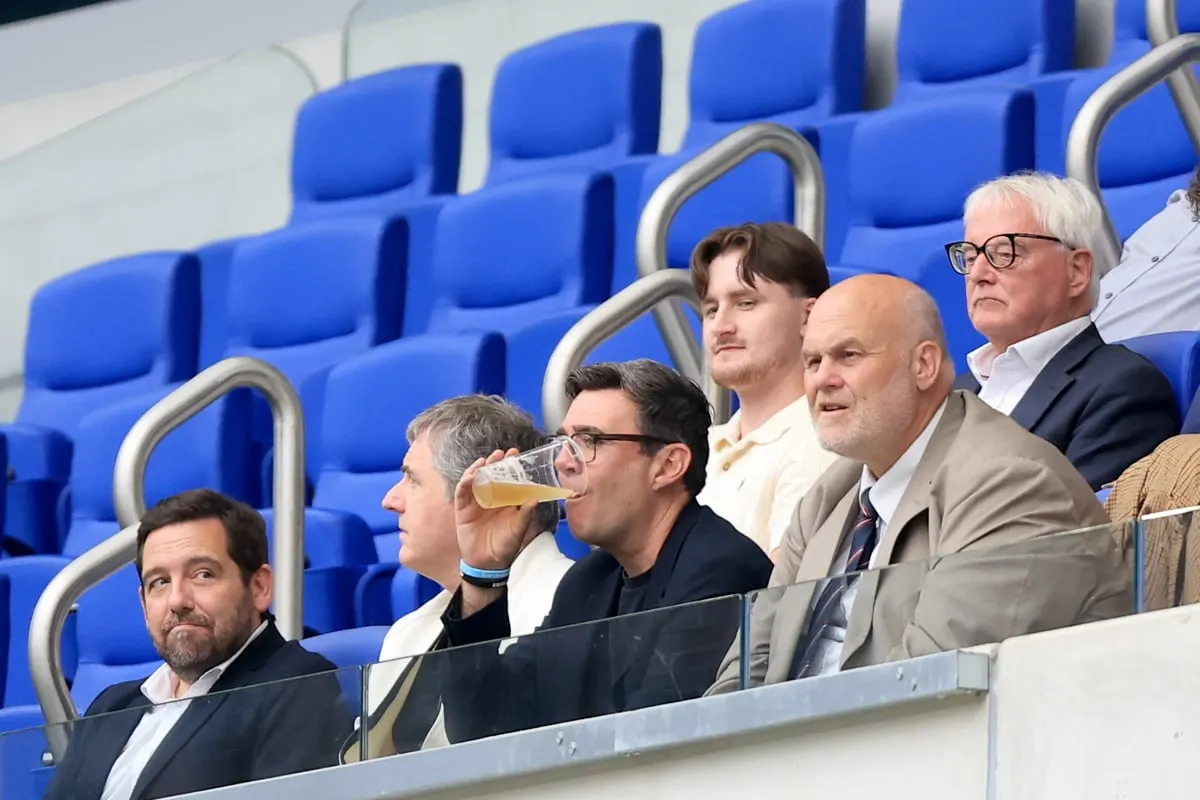
Sheffield football supporters gave a mixed response to Andy Burnham’s proposal to allow alcohol to be consumed while watching matches inside grounds. Supporters of change argued that fans should be treated responsibly, while opponents raised concerns that lifting the restriction could affect safety and behaviour.
The ban on drinking in view of the pitch was introduced in England in the 1980s amid concerns about football-related disorder, though alcohol can still generally be bought and consumed in concourse areas. Burnham described the rule as wrong and suggested scrapping it, reopening a long-running debate about whether the measure remains justified.
- Sheffield fans were divided over lifting football’s alcohol ban.
- Burnham says supporters should be allowed to drink in stands.
- The restriction dates from 1980s anti-hooliganism measures.
New here? Start with this
Alcohol has long been part of the matchday experience in English football, but rules limit where it can be consumed. At most professional grounds, supporters can buy drinks in bars and concourse areas, but cannot take them into the seating area or drink while watching the game.
The restriction was brought in during the 1980s, when concern about violence and disorder linked to football was high. It sits alongside wider controls on alcohol around matches, including limits on drinking in public near grounds at certain times.
Andy Burnham is the mayor of Greater Manchester and a former cabinet minister. His suggestion to remove the rule has revived a wider argument between those who say today’s supporters can be trusted to drink responsibly and those who believe the ban still helps protect safety and reduce disruptive behaviour.
Both sides, in good faith
The strongest fair case each way — we don't pick a winner.
The case for
The case for change centres on personal responsibility and consistency: if adults can be trusted to drink responsibly in concourse areas and pubs, the restriction in seating areas appears arbitrarily paternalistic. Proponents note that many modern European football cultures permit in-seat drinking without the systematic disorder England experienced in the 1980s, suggesting that improved policing, stadium design, and supporter culture have fundamentally altered the risk calculus since the ban's introduction in the 1980s.
The case against
Supporters of the ban argue that large, temporally concentrated crowds with heightened emotional investment present a qualitatively different environment from other venues, where alcohol can catalyse disorder and violence more readily. They contend that the ban functions as an effective preventive measure protecting the substantial proportion of attendees—including children and families—who benefit from a safer atmosphere, and that the burden of proving the ban no longer necessary should rest with proponents of change, given the serious consequences of misjudgement.