Shell expects refining margins to nearly double as fuel shortages deepen
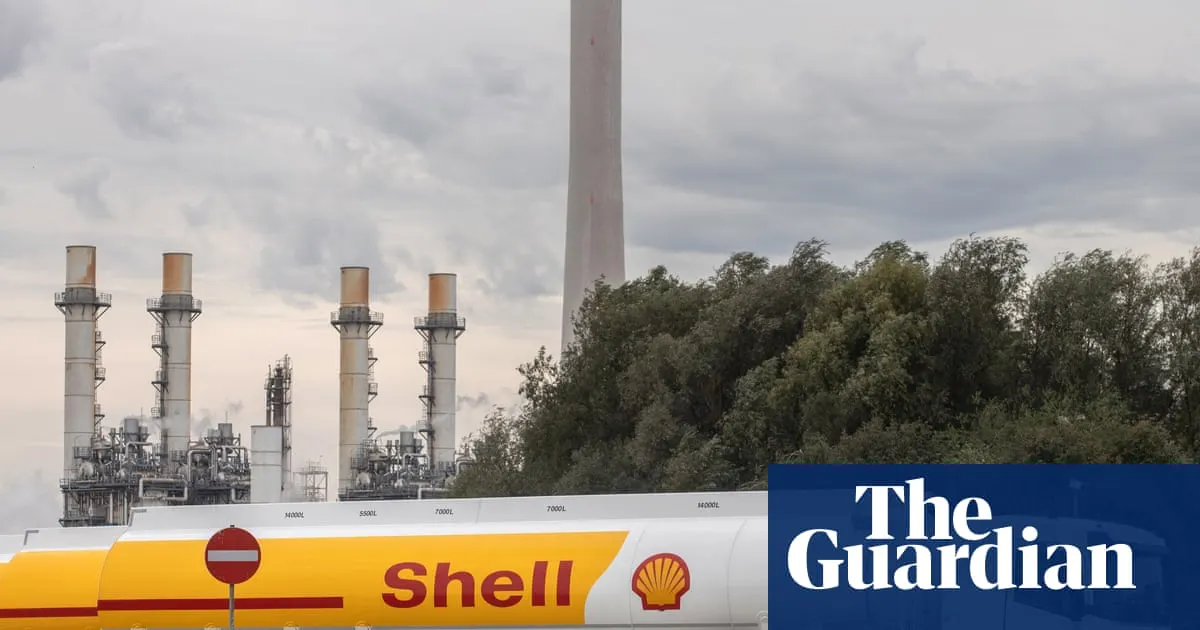
Shell's refineries are forecast to nearly double their profit margins per barrel to $42 in the third quarter, compared with $24 in the second quarter. This surge is driven by global fuel shortages from war-damaged refineries shutting down in the Middle East and Russia, which has pushed refined fuel prices—particularly diesel—to record levels relative to crude oil prices. The dramatic improvement reflects not rising oil prices per se, but rather the widening gap between crude and refined fuel costs.
Shell's second-quarter profits reached almost £7.5bn, more than double the year-ago figure, driving its share price to a record high of £36.23. The profit margins reflect the exceptional spread between what refiners pay for crude oil and what they receive for finished fuels, with the diesel price premium jumping above $100 per barrel for the first time. Whilst global oil prices have retreated from their 2026 peak of above $115 a barrel to around $100, refining has become extraordinarily lucrative due to global supply constraints, with TotalEnergies' chief executive describing European refineries as having transformed from "liabilities" into "goldmines."
- Shell's refining profit margins forecast to nearly double to $42 a barrel
- War-damaged refineries in Middle East and Russia create global fuel shortages
- Energy crisis turns Shell into record-profit winner as share price soars
New here? Start with this
Oil refineries turn crude oil into usable fuels like petrol and diesel. Refining margins are the profit a refinery makes on each barrel—the difference between what it pays for crude oil and what it receives when it sells the finished fuel. When this gap widens, refineries become much more profitable.
Global fuel shortages are currently pushing refining profits higher. War-damaged refineries in the Middle East and Russia have shut down, disrupting worldwide supplies of refined fuels, particularly diesel. With less refined fuel available, prices for these finished products have climbed to record levels relative to crude oil costs, even though crude prices themselves have actually fallen back from their 2026 highs.
This has transformed major oil refining into an exceptionally profitable business. Shell and other large refiners are earning record profits from this situation, though the scale of these gains depends on global supply constraints continuing.
Both sides, in good faith
The strongest fair case each way — we don't pick a winner.
The case for
High refining margins reflect genuine global fuel shortages caused by geopolitical disruption, and market forces are working appropriately by raising prices to reflect scarcity and incentivising supply. Consumer energy security is maintained by allowing refiners to profit from meeting this essential demand during an exceptional crisis period. Restricting these margins through taxation or regulation would discourage refining investment precisely when global supply needs it most.
The case against
Refineries are capturing extraordinary profits from a geopolitical crisis they did not create, whilst consumers bear record fuel prices fuelling inflation and hardship. High margins exist not from increased efficiency but simply because supply is constrained by events beyond market forces, creating a fairness problem where windfall gains concentrate during a period of broad public hardship. Allowing unlimited profiteering from energy scarcity risks public resentment and eventual pressure for heavier-handed price controls.
Business Europe Markets Middle East Software Technology World
Read the full article at the source →
Originally published by The Guardian as “Shell refineries forecast to make double the profit from every barrel of fuel”.