Shift-Up uses AI K-pop video to promote Stellar Blade: Bloodrain
Developed over time first seen 2 months ago
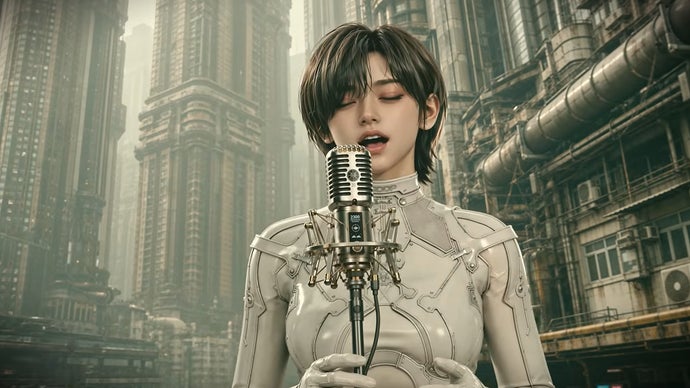
Shift-Up has promoted its forthcoming action game Stellar Blade: Bloodrain with what appears to be a fully generative-AI K-pop music video. The video features protagonist Evie performing an original Shift-Up song, and has prompted criticism and confusion from some fans, highlighting concerns about the company’s increasing embrace of AI in game marketing and potentially development.
The video depicts Evie singing and moving through the game’s science-fiction city, before showing Shift-Up staff interacting with the AI-generated character. Earlier this year, the company’s chief executive and Stellar Blade director described AI as essential to competing with larger Chinese rivals, although it remains unclear whether generative AI will be used in Bloodrain itself. No release date has been announced; earlier expectations placed it before 2027, with a 2027 launch now appearing more likely.
- Shift-Up used an AI-generated K-pop video to market Stellar Blade: Bloodrain.
- Fans questioned why existing game assets were not used instead.
- Bloodrain’s release date remains unconfirmed.
New here? Start with this
Shift-Up is a South Korean video game company best known for creating Stellar Blade, an action game set in a future world threatened by hostile creatures. Its sequel, Stellar Blade: Bloodrain, is expected to continue the story with Evie, one of the central characters from the first game.
K-pop is a popular form of South Korean pop music, often associated with highly produced songs and videos. Generative AI can create images, voices and video from written instructions, but its use in entertainment has raised questions about jobs, artistic ownership and whether audiences are being clearly told how material was made.
Shift-Up competes in a games industry where large publishers can spend far more on development and marketing. The company’s leaders have said AI could help smaller studios work more quickly and compete, making its use in promotional material closely watched by players and the wider industry.
Both sides, in good faith
The strongest fair case each way — we don't pick a winner.
The case for
Supporters argue that generative AI can help a comparatively smaller studio create ambitious marketing material and compete for attention with publishers that have far larger budgets. They may see the video as an experimental, clearly stylised promotional piece rather than a replacement for the game’s artists, and value technological openness, efficiency and the freedom to explore new forms of fan-facing entertainment.
The case against
Critics argue that using a seemingly fully AI-generated video to promote a creatively driven game can weaken trust in the studio’s artistic identity and risk displacing or devaluing human creative work. They may also find the use confusing when the company has not explained whether AI will feature in the game itself, and value transparency, consent and investment in the artists and performers whose work gives games their character.
More coverage
AI Entertainment Music Software Technology
Read the full article at the source →
Originally published by Eurogamer as “Shift-Up promotes Stellar Blade 2 with AI-generated KPop music video featuring the game’s main character”.