Hormuz attacks hit a weekly record as oil flows decline
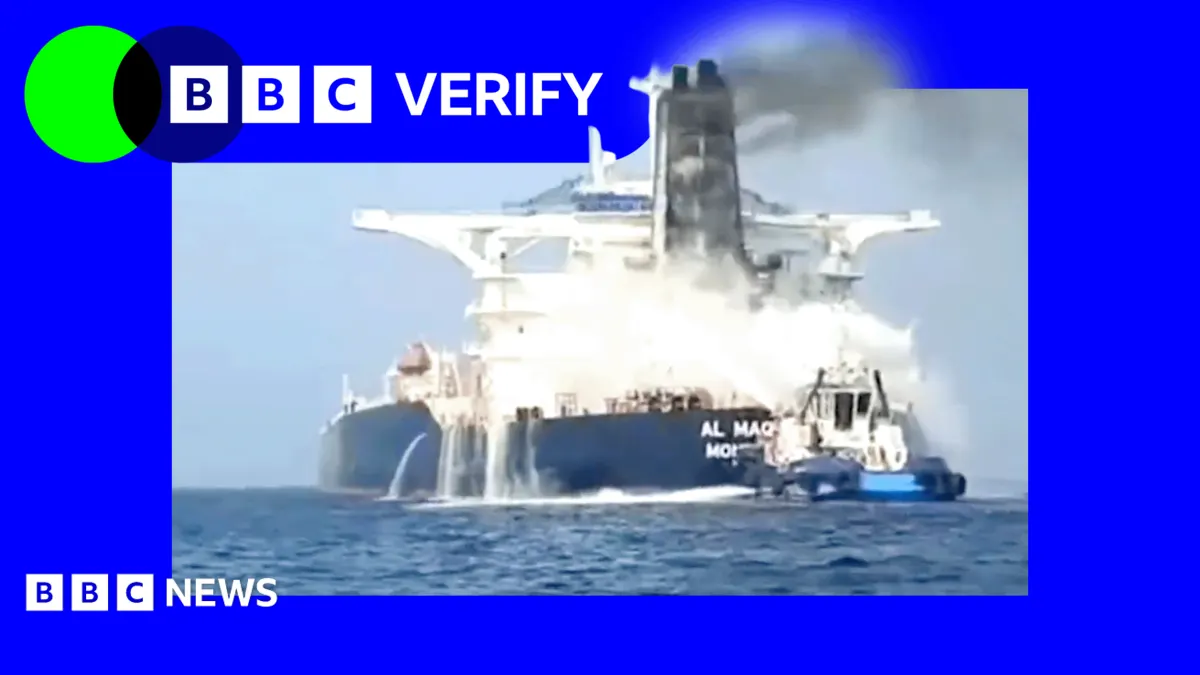
Twelve ships reported attacks in and around the Strait of Hormuz between 5 and 11 October, the highest weekly total recorded by the UK maritime agency since the US-Israeli war with Iran began. The rising number of strikes matters because it coincides with a slowdown in oil shipments through a waterway vital to global energy exports.
Six vessels reported attacks on Sunday, a one-day record, and four more attacks have been reported so far this week. A tanker was filmed on fire near Oman, with 11 Indian crew rescued and two missing; another ship sank in the strait, though its 21 crew were evacuated. Oil flows through the strait fell to about 12.6 million barrels a day on 13 October, down from 15 million at September’s end and a pre-war level of roughly 17 million.
- Twelve ships reported attacks in one week, a record since the war began.
- Oil flows through Hormuz fell to 12.6 million barrels a day.
- Two Indian seafarers are missing after a tanker attack near Oman.
New here? Start with this
The Strait of Hormuz is a narrow sea passage between Iran and Oman that connects the Gulf to the open ocean. It is a major route for oil and gas exports from Gulf countries, so disruption there can affect energy supplies and shipping well beyond the region.
Iran lies on the strait’s northern shore, while Oman borders its southern side. The United States and Israel are at war with Iran, and ships in and around the strait have reported attacks since the conflict began. Oil tankers and their crews are among those exposed to the risks.
The route matters because a large share of the world’s seaborne oil travels through it. Fewer shipments could tighten supplies and influence oil prices, while attacks can put crews and vessels in danger.
Read the full article at the source →
Originally published by BBC World as “Ship attack reports near Hormuz reach record high as oil exports slow”.