Business news and discussion on TalkFuse.
Shoe Prices Hit a Record High Amid Inflation and Increased Tariffs
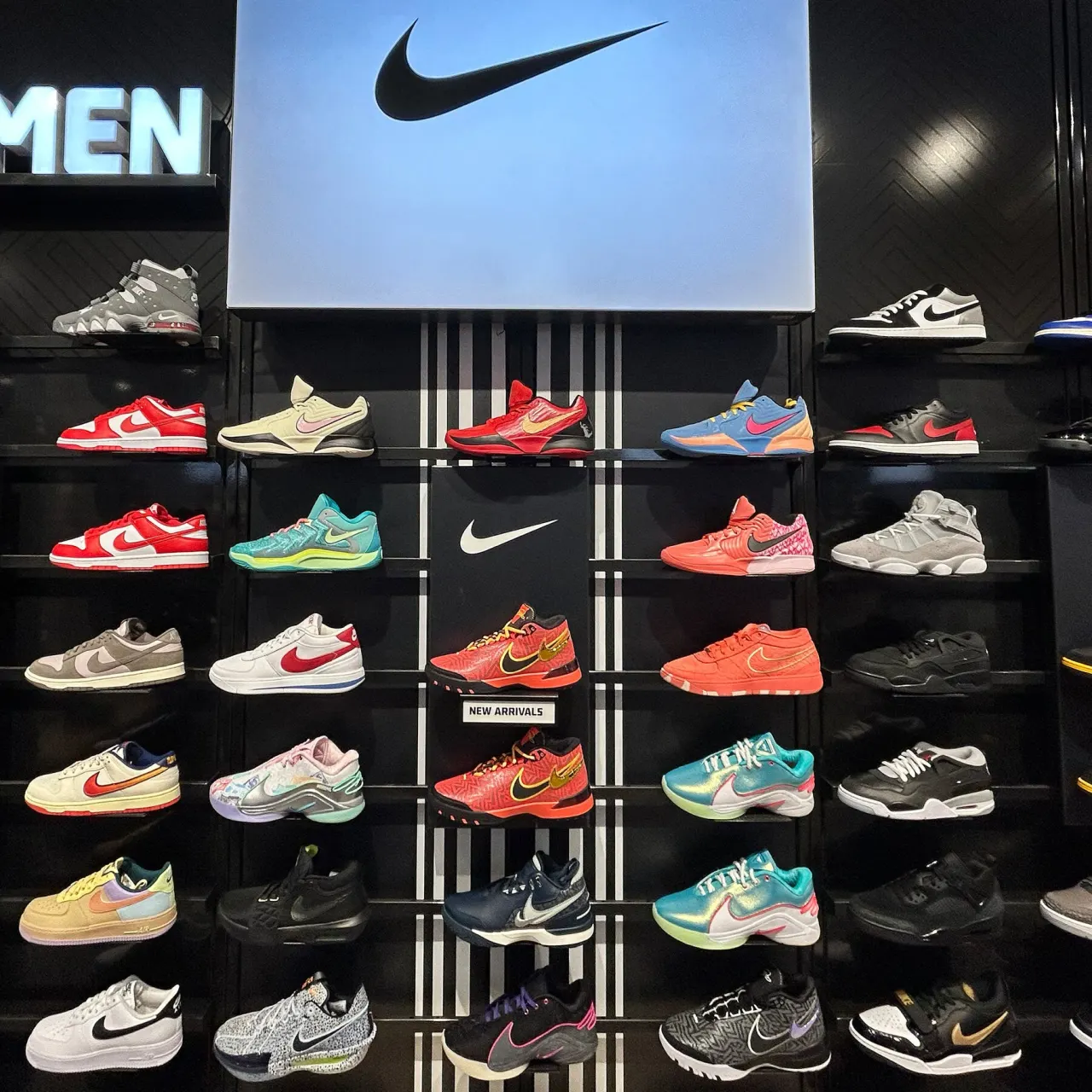
Shoe prices in the United States reached a record high in October as manufacturers faced higher material and transport costs, alongside increased tariffs on goods made in Asia. The rise shows how inflation linked to energy prices is reaching everyday consumer goods, while shoppers may be becoming more cautious ahead of the holiday season.
Footwear prices rose 2.1 per cent in October, according to Consumer Price Index data; the equivalent figure from a year earlier is unavailable because of a federal shutdown. Prices had already climbed 2.3 per cent in the first half of the year, compared with a historical average rise of 0.35 per cent every six months from 2000 to June 2026. Some brands have raised prices, including Ugg’s classic boot, now $195 after a 2.6 per cent increase. Retail sales growth slowed to 0.8 per cent in September from 1.3 per cent the previous month, adding uncertainty about how long consumers will keep spending.
In short
- US shoe prices reached a record high in October.
- Tariffs and higher material and freight costs are pushing prices up.
- Brands expect shoppers to focus more on value this holiday season.
Steelman: both sides, in good faith
The strongest fair case each way — we don't pick a winner.
The case for
Higher shoe prices may reflect rising energy, materials and transport costs, as well as tariffs on imports, leaving manufacturers and retailers with limited room to absorb the increases. Passing some costs on can help businesses remain viable and maintain supply, while record prices may also signal wider inflation pressures that policymakers and consumers should take seriously.
The case against
Price increases make an everyday item less affordable, particularly for households already facing higher costs elsewhere, and could weigh on spending during the holiday season. Tariffs add to import costs and may intensify that pressure, while slower retail sales suggest businesses risk losing customers if they keep raising prices.
Explained simply
Inflation is a broad rise in the cost of goods and services, which can make household essentials more expensive. Shoes are made from materials such as leather, rubber and textiles, and they must be shipped to shops, so higher energy, production and transport costs can affect what customers pay.
Many shoes sold in the United States are made in Asia, and tariffs are taxes on imported goods that can add to costs for manufacturers and retailers. Brands decide whether to absorb those costs or pass some of them on to shoppers.
The US Consumer Price Index tracks price changes across a range of goods and services. Shoe costs matter to household budgets, while changes in retail sales can help show whether consumers are still willing or able to spend as prices rise.