Culture news and discussion on TalkFuse.
Should the Supreme Court Be Celebrated for Sometimes Stopping Trump?
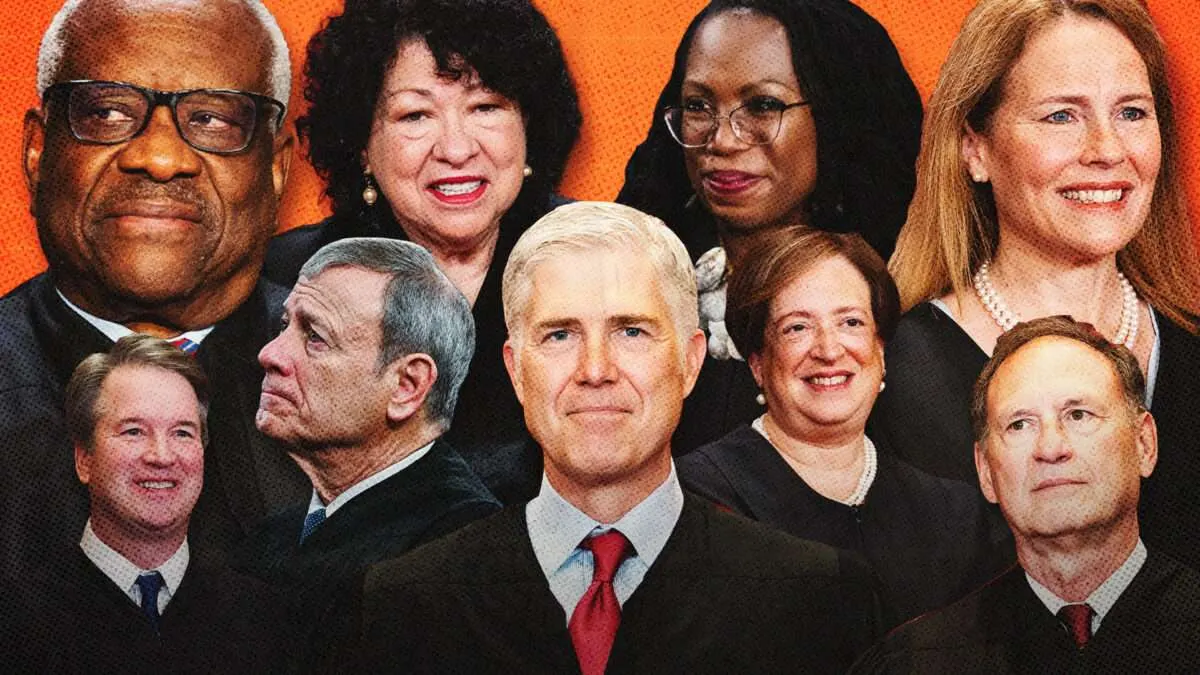
The article argues that the US Supreme Court deserves some credit for rulings against Donald Trump, but that this does not excuse its record on other major issues. Its author says both praise and sustained criticism are warranted, and warns that sweeping attacks from either political side could weaken judicial independence.
The court struck down Trump’s tariff scheme and rejected his executive order on birthright citizenship, though not every justice supported those outcomes. The piece agrees with law professor Will Baude that an independent court will sometimes frustrate everyone, while noting the Supreme Court’s approval ratings are poor and that praise may not blunt criticism. It also includes the author’s recommendations of three heavy metal albums.
In short
- The court merits credit for two rulings against Trump.
- The author says its broader record still deserves criticism.
- Attacks from left and right risk judicial independence.
Steelman: both sides, in good faith
The strongest fair case each way — we don't pick a winner.
The case for
The Court deserves measured credit when it rules against a president’s actions, because enforcing legal limits despite political pressure is part of its role and can demonstrate judicial independence. Recognising those decisions need not endorse the Court’s other rulings; acknowledging sound judgments may also help preserve confidence in an institution that should not simply serve either political camp.
The case against
Praise for rulings against Trump may give an overly favourable impression of the Court if it distracts from serious concerns about its decisions on other major issues. Critics can argue that scrutiny should remain sustained and that celebrating selected outcomes risks treating basic legal responsibilities as exceptional, while still opposing sweeping attacks that could undermine judicial independence.
Explained simply
The US Supreme Court is the country’s highest court. Its nine justices decide whether government actions follow the Constitution and federal law, and their rulings can affect policies across the country.
Donald Trump has challenged limits on presidential power, while his opponents have questioned decisions by the court, whose justices are appointed for life. The court has ruled against some of Trump’s policies, including tariffs and an order on citizenship for people born in the United States; its decisions do not always command agreement among all the justices.
The debate is about how to judge a court that sometimes checks a president but also makes consequential decisions on other issues. Its independence matters because courts are expected to apply the law even when their rulings disappoint political leaders or the public.