Technology news and discussion on TalkFuse.
Repairing a faulty PC motherboard can save money, but severe damage may warrant replacement
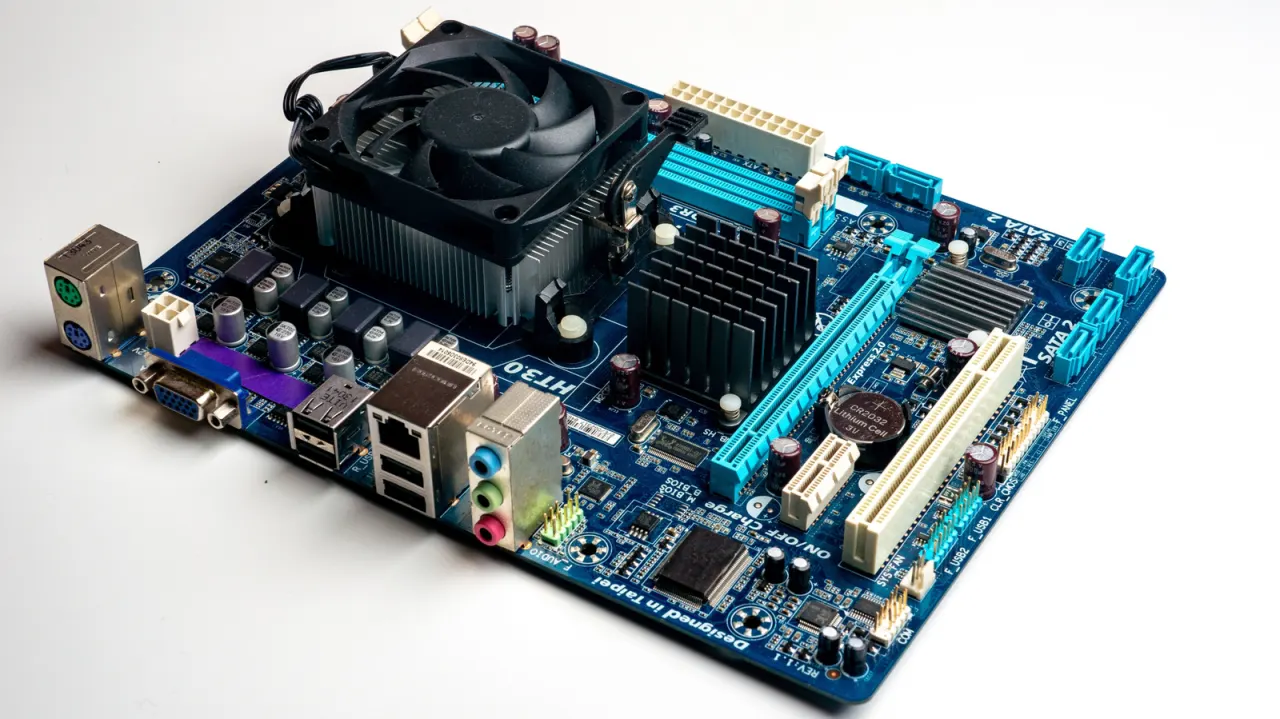
The article says a failing motherboard does not always need to be replaced: some faults can be repaired, which may save money as PC components become more expensive. Recognising the signs of trouble can help owners decide whether a simple fix is possible or the board is beyond repair.
A motherboard can last up to around ten years, but failures may show up as problems passing the power-on self-test, booting the operating system, or recurring blue screens. Damaged capacitors, overheating, failed RAM or PCIe slots and bent CPU socket pins can cause problems; some may be addressed with soldering, careful pin adjustment, cleaning or a new CMOS battery. Replacing the board may be necessary for more serious faults, or worthwhile as an upgrade.
In short
- Some motherboard faults can be repaired.
- POST failures, crashes and overheating may signal trouble.
- Replace the board when damage is severe or an upgrade makes sense.
Read the full article at the source →
Originally published by Engadget as “Should you repair or replace your PC’s motherboard?”.