World news and discussion on TalkFuse.
Snap Insight: US midterms – what an angry ‘lame duck’ president could mean for Asia
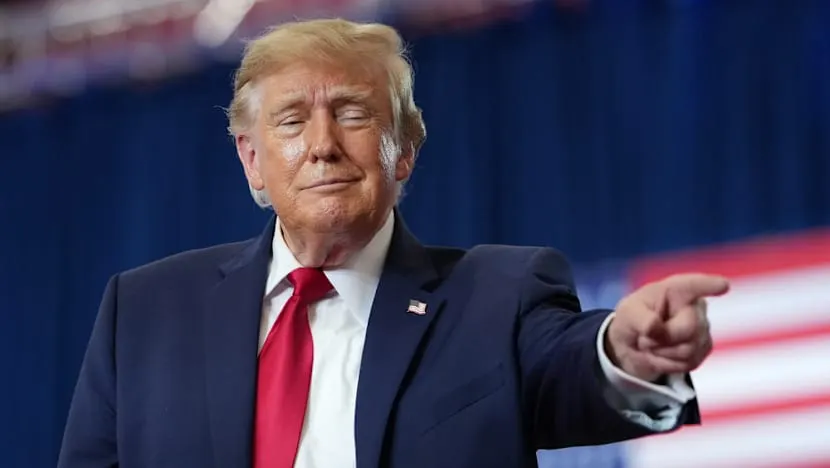
Democrats’ capture of the House and Senate in the US midterms amounts to a sharp rebuke of Donald Trump’s presidency, with voters citing economic pressures and opposition to the Iran War and its effects on energy prices. The results could limit his domestic agenda, but the article argues that a frustrated president may turn to foreign policy, where Congress has fewer ways to constrain him.
Democrats had flipped 21 House seats and seven Senate seats at the time of writing, exceeding the gains needed for control but falling short of the two-thirds majorities required to override presidential vetoes. Trump could face scrutiny over spending and nominees, while retaining discretion over diplomacy and some military action. For Asia, immediate effects are considered unlikely: possible concerns include new US tariffs, dialogue with North Korea, and the implications for US-China relations of Trump’s planned meetings with Xi Jinping before Congress reconvenes in January 2027.
In short
- Democrats won control of both chambers of Congress.
- Trump retains significant freedom over foreign policy.
- Asia may face tariff and diplomacy uncertainty.
Steelman: both sides, in good faith
The strongest fair case each way — we don't pick a winner.
The case for
A president facing a hostile Congress may have fewer ways to advance domestic priorities and stronger incentives to pursue visible results through diplomacy, trade policy or military decisions, areas where congressional checks can be more limited. That could make US policy towards Asia less predictable, with potential consequences for tariffs, North Korea dialogue and relations with China.
The case against
A divided Congress does not necessarily push a president towards riskier or more active foreign policy: scrutiny of spending, appointments and public opinion can still constrain his choices. Trump may also have reasons to seek cooperation with Asian leaders and avoid destabilising trade or security ties, so the midterm result need not produce an immediate shift in US policy.
Explained simply
US midterm elections choose members of Congress, the branch of government that makes federal laws and approves public spending. The House and Senate can investigate the president and review many government appointments, while the president leads the executive branch and conducts much of US foreign policy.
When the president’s party loses control of Congress, passing domestic legislation can become harder, though Congress needs large majorities to override a presidential veto. Presidents retain important powers in diplomacy and military affairs, but Congress can influence these through funding, laws and oversight.
US decisions matter to Asian governments because America is a major trading partner and security ally for many countries in the region, and a central player in relations with China and North Korea. Changes in US policy on trade, diplomacy or security can therefore affect regional ties and economic planning.
Americas Asia Elections Government Politics World