SNP split deepens as John Swinney’s own MSP rejects new drilling
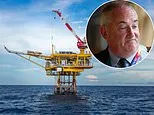
John Swinney is facing fresh internal division within the SNP after one of his own MSPs, former housing minister Paul McLennan, called on Prime Minister Andy Burnham to reject two major North Sea oil and gas developments, Rosebank and Jackdaw. His stance puts him at odds with other senior SNP figures, including Cabinet member Stephen Flynn and Aberdeen Central MSP Jack Middleton, who have both publicly backed the projects, exposing a significant rift within the party over energy policy.
Speaking on a pro-independence podcast, McLennan acknowledged the potential economic and jobs benefits of the fields but argued that tackling climate change outweighed short-term gains, urging Burnham to "see sense" and block the developments. This follows reports that Labour's net zero policies could threaten around 100,000 North Sea jobs over 25 years, with the Conservatives branding the stance "economic insanity". Both Flynn and Middleton have previously pledged to champion the oil and gas sector, with Middleton citing energy security concerns amid reliance on the Middle East and Russia, while Scottish Conservative energy spokesman Liam Kerr accused the SNP of a "civil war" while ministers in Westminster continue to delay a final decision on the projects.
- SNP MSP Paul McLennan urges rejection of Rosebank and Jackdaw drilling projects
- Move exposes split with pro-drilling SNP colleagues Stephen Flynn and Jack Middleton
- Critics accuse SNP of internal "civil war" as UK government decision remains pending
New here? Start with this
Rosebank and Jackdaw are proposed oil and gas fields in the North Sea. Decisions about whether they can go ahead involve balancing potential jobs, investment and energy supplies against the UK’s climate targets.
The SNP is Scotland’s main pro-independence party, and its elected representatives do not all take the same view on North Sea drilling. The debate matters because energy policy affects workers and communities, the UK’s reliance on imported fuel, and efforts to reduce greenhouse gas emissions.
Both sides, in good faith
The strongest fair case each way — we don't pick a winner.
The case for
Those supporting the Rosebank and Jackdaw projects argue that North Sea oil and gas development provides substantial, immediate economic benefits—supporting around 100,000 jobs over 25 years and contributing significantly to Scottish prosperity. They contend that energy security matters, reducing reliance on volatile international markets in the Middle East and Russia, and that halting viable domestic production simply redirects demand elsewhere rather than reducing global emissions. The transition to renewable energy should proceed responsibly without sacrificing workers' livelihoods.
The case against
Those opposing the projects argue that climate change demands urgent action and that approving new fossil fuel developments is incompatible with meeting essential climate targets. Whilst short-term job losses are regrettable, they maintain that the long-term costs of unchecked climate breakdown—environmental, economic, and social—vastly exceed temporary economic disruption from a managed transition. Investment should shift decisively toward renewable energy and green jobs, offering sustainable employment that does not accelerate planetary warming.