Ardingly Reservoir at 20.2% as South East water supplies come under pressure
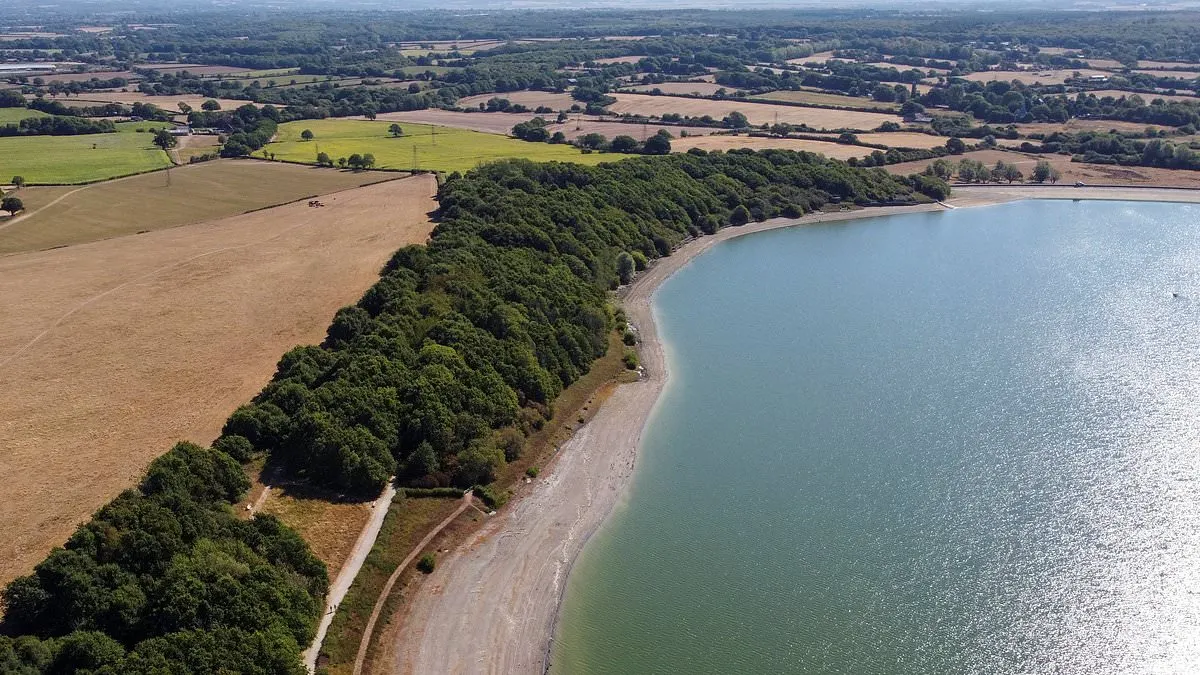
Hundreds of thousands of residents across the South East face the prospect of losing their water supply this winter following the driest spring and summer in recent times. Ardingly Reservoir, which supplies 280,000 people in Haywards Heath, West Sussex, and surrounding areas in East Sussex, has fallen to just 20.2 per cent capacity. The chief executive of South East Water has warned that supplies are under "severe pressure" and standpipes – emergency water supply points – may appear on British streets for the first time in 50 years, with a months-long hosepipe ban now extended into the new year.
The situation has been exacerbated by the failure to reduce water demand as hoped: consumption has fallen by only 5 per cent rather than the targeted 10 per cent. Additionally, the exceptionally dry conditions have caused ground to shrink underground, leading to a surge in burst pipes that has further undermined public confidence. Across the country, reservoir storage stands at 54 per cent – roughly a fifth below average – with forecasters warning that 20 per cent more rainfall than average will be needed until the end of April for all parts of England to emerge from drought conditions.
- 280,000 residents face possible winter water cuts after record drought conditions.
- Standpipes could appear on UK streets for the first time in 50 years.
- Ardingly Reservoir has fallen to just 20.2 per cent capacity.
New here? Start with this
The South East of England is experiencing a severe water shortage following exceptionally dry weather during spring and summer. Ardingly Reservoir, which supplies water to around 280,000 people across Sussex and East Sussex, has fallen to just 20.2 per cent of its capacity.
At these low levels, water companies have been forced to impose restrictions like hosepipe bans to reduce demand. If water levels drop further, more drastic measures including standpipes – temporary public water supplies – may be needed, something not seen in Britain for approximately half a century.
The shortage has been made worse because people have not reduced their water consumption as much as hoped, with usage falling by only 5 per cent rather than the targeted 10 per cent. Additionally, the dry ground has caused an unusual number of burst pipes, further undermining water supplies and public confidence in the system.
Both sides, in good faith
The strongest fair case each way — we don't pick a winner.
The case for
The situation is objectively severe—with reservoirs at critical lows and rainfall far below normal, immediate demand reduction through restrictions is a necessary emergency measure to prevent system failure. Consumer conservation now, whilst longer-term infrastructure improvements are developed, is the only way to prevent thousands facing genuine water loss this winter.
The case against
The South East's water crisis reflects decades of underinvestment by water companies in supply-side solutions like desalination and infrastructure, not merely exceptional weather. Framing this primarily as a demand problem requiring consumer restrictions diverts attention from the core failure—water companies' inadequate planning and investment. A properly managed system would address supply through infrastructure development rather than depending on emergency demand destruction.
Read the full article at the source →
Originally published by Daily Mail as “Some 280,000 people ‘could be without water this winter’ after summer drought”.