Rising costs and drought leave UK food supplies vulnerable
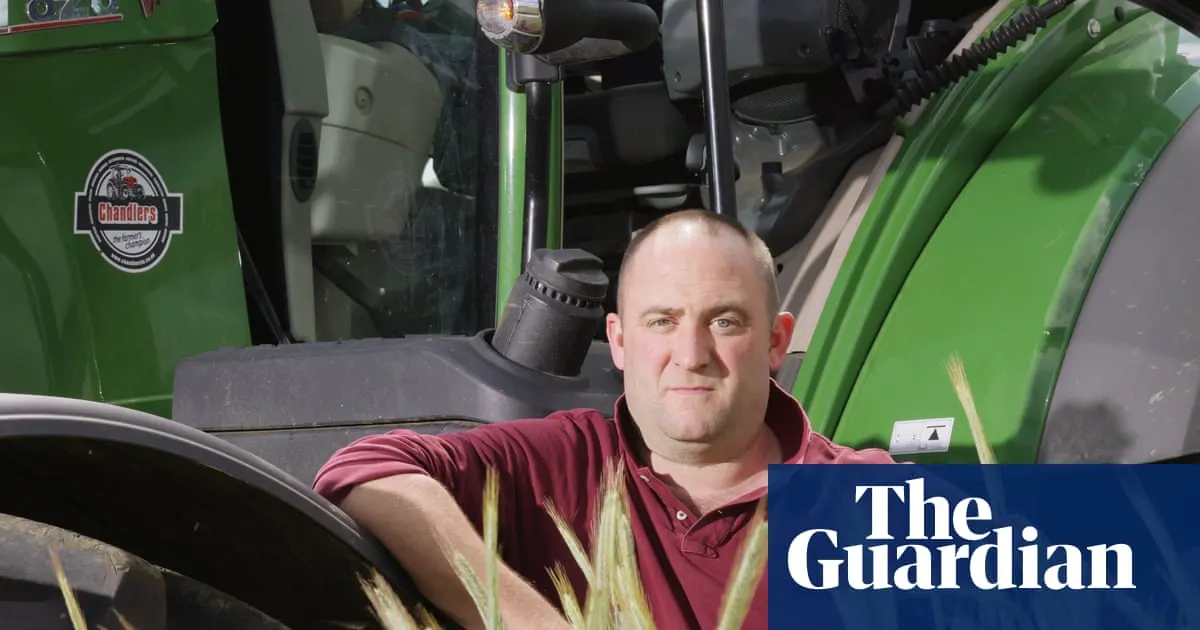
Rising costs and extreme weather are putting pressure on UK farmers, prompting warnings that some businesses may not survive and that the country’s food supply is vulnerable. The concerns come as experts and MPs call for stronger planning to protect food security against overlapping shocks.
Norfolk farmer Jamie Burrows says red diesel has almost doubled in price since conflict in Iran began in late February, while most fertilisers and animal feed have risen by about 20%. Heatwaves and drought also contributed to England’s worst recorded cereals harvest, and Britain produces around 60% of the food it needs. A parliamentary inquiry is due to examine weaknesses in emergency planning, after more than 150 experts and academics warned ministers against complacency.
- Farmers face sharply higher fuel and fertiliser costs.
- Extreme weather has damaged harvests.
- Experts want stronger plans for food supply emergencies.
New here? Start with this
UK farming is facing pressure from two major challenges: rapidly rising production costs and severe drought reducing harvests. Farmers are dealing with significant increases in the price of essential inputs such as fuel and feed, whilst extreme weather has contributed to poor crop yields.
Britain produces around 60% of the food it needs, with the rest imported. This reliance on both domestic production and international supply means that when costs rise and harvests fall simultaneously, the country's food security can be affected.
Experts and politicians have raised concerns that some farms may struggle financially and that the food supply system is vulnerable to overlapping shocks. Many are calling for stronger government planning to better protect food security against such combined pressures.
Both sides, in good faith
The strongest fair case each way — we don't pick a winner.
The case for
Food security is a strategic national concern requiring proactive government planning, particularly as UK domestic production supplies only 60% of food needs and farms face mounting pressures from rising costs and climate impacts. Without coordinated planning and support, Britain risks losing productive capacity and becoming dangerously dependent on international supply chains vulnerable to geopolitical disruption and climate stress.
The case against
Government intervention in agricultural markets typically creates inefficiencies and reduces farmers' incentive to adapt and innovate. Britain benefits more from diverse, well-established international trade relationships than from subsidies or protection schemes; farmers will prove more resilient when responding to genuine market signals rather than relying on government support that cannot be sustained indefinitely.
Americas Business Celebrity Culture Entertainment Food UK World
Read the full article at the source →
Originally published by The Guardian as “‘Some aren’t going to make it’: how pressure on farmers threatens UK food security”.