Sony’s Reon wearable air conditioner saved my sanity through multiple heatwaves
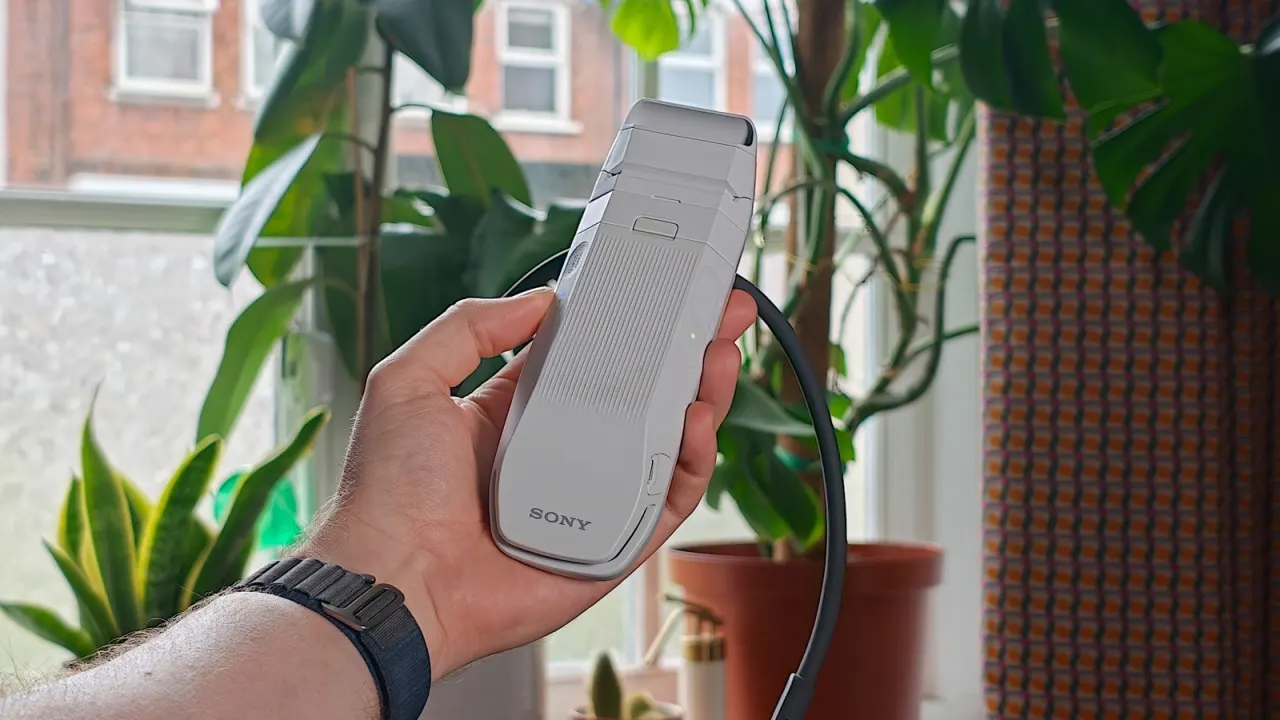
Sony’s Reon Pocket Pro Plus wearable air conditioner was found to provide meaningful relief during London heatwaves, despite its unusual appearance and high price. The review highlights its relevance in the UK, where domestic air conditioning is uncommon and extreme summer temperatures are becoming harder to manage.
The $260 device cools a metal plate against the neck and upper spine using the Peltier effect, helping cool blood flow while exhausting heat through the wearer’s clothing. Sony claims a 20 percent improvement in cooling over its predecessor, although real-world battery life during peak heat reached roughly four to five hours rather than the claimed 10 to 15 hours. Physical controls and a more secure neckband improve usability, while the optional temperature-and-humidity tracking tag was unreliable and made little noticeable difference.
- Sony’s wearable cooler offered effective personal relief during London heatwaves.
- Real-world battery life fell well below Sony’s maximum claims.
- The smart tracking tag added limited practical value.
New here? Start with this
The Reon Pocket is a wearable cooling device made by Sony, the Japanese electronics company. It sits at the back of the neck and uses a cooled metal plate to help the wearer feel cooler, while releasing heat through their clothing.
Air conditioning is less common in UK homes than in many hotter countries, so heatwaves can be difficult to manage indoors and outdoors. Wearable coolers offer one possible way to cope with the heat, but their cost, battery life and comfort affect how practical they are.
Both sides, in good faith
The strongest fair case each way — we don't pick a winner.
The case for
For people who struggle in heat or lack access to home air conditioning, a wearable cooler that offers noticeable relief outdoors or on the move could be a practical, less energy-intensive option. Its improved fit and physical controls may make it easier to use, and the shorter real-world battery life still allows several hours of cooling during the hottest part of the day.
The case against
At $260, the device is an expensive and limited substitute for broader ways of coping with heat: its battery lasts far less than Sony claims under peak conditions, and its unusual appearance may deter everyday use. The unreliable tracking tag adds little, while cooling only the neck and upper spine may not justify the price for people who can manage heat through cheaper or more effective means.
Americas Cricket Gadgets Paranormal Sport Technology Weird & Viral World