Sorry, congressman: Spending four days in Havana is not the same as knowing Cuba
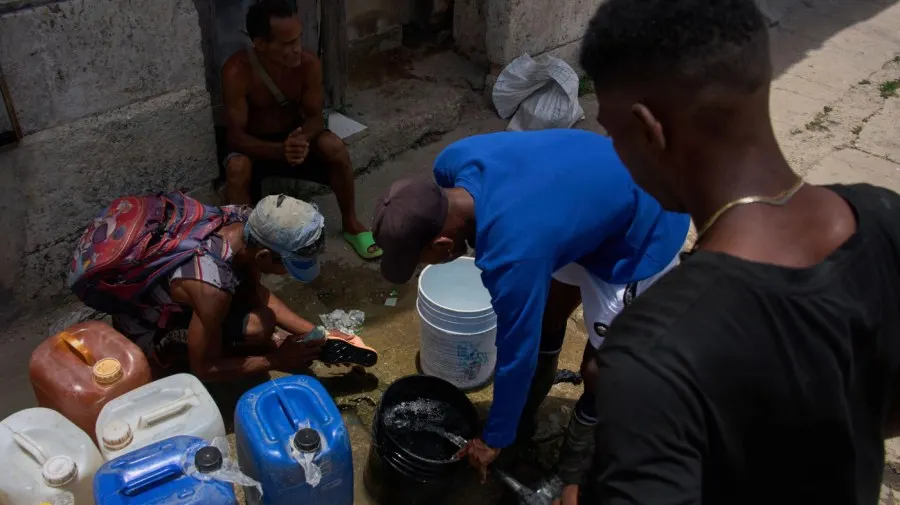
The opinion article argues that a four-day congressional visit to Havana cannot provide a full understanding of Cuba, particularly when the itinerary is shaped by the Cuban government. It contends that lawmakers who focus on the effects of US sanctions risk overlooking political repression, the lack of democratic freedoms and the experiences of dissidents. The author presents this as important because US policy towards Cuba should be informed by a broader range of Cuban voices.
The criticism follows a visit by Democratic members of Congress who met President Miguel Díaz-Canel, officials and other groups while highlighting Cuba’s economic hardship. The delegation linked the crisis partly to US restrictions on fuel and trade, whereas the article argues that the government’s policies and control also bear responsibility. Its central point is that short, official visits should not be treated as definitive evidence about conditions across the island.
In short
- Short official visits cannot capture Cuba’s full political reality.
- The article urges lawmakers to hear dissident voices.
- It disputes explanations focused solely on US sanctions.
Steelman: both sides, in good faith
The strongest fair case each way — we don't pick a winner.
The case for
Direct engagement with Cuban leadership allows lawmakers to witness conditions firsthand and understand how US sanctions policies affect ordinary Cubans, which is a legitimate and important policy consideration. Such diplomatic dialogue creates opportunities for relationship-building that might support future negotiations on multiple issues, and focusing on economic impacts does not necessarily preclude genuine concern for political freedoms.
The case against
Official visits shaped by government handlers inherently present curated narratives that exclude dissidents and critics, making four days insufficient to understand a complex island nation authentically. Congressional delegations bear responsibility to seek diverse perspectives actively rather than accept only the version presented by officials, as comprehensive policy cannot rest on incomplete information that divorces economic analysis from consideration of authoritarian governance structures.
Explained simply
Cuba is governed by the Communist Party, and Miguel Díaz-Canel is its president. The United States has maintained trade and financial restrictions on Cuba for decades; their scope and effects have changed over time, and they remain a source of dispute.
US policy towards Cuba is debated in Congress. Some lawmakers emphasise how US restrictions affect the island’s economy, while others also focus on Cuba’s political system, including limits on opposition and public dissent. A short visit arranged with government officials can offer a view of conditions, but may not capture the experiences of people outside the official programme.
The debate matters because decisions in Washington can affect trade, travel and relations between the two countries. Assessing those decisions involves considering both the impact of US restrictions and the Cuban government’s policies, alongside accounts from a range of people in Cuba.