Technology news and discussion on TalkFuse.
SpaceX is set to acquire 130,000 acres of marshland in southern Louisiana
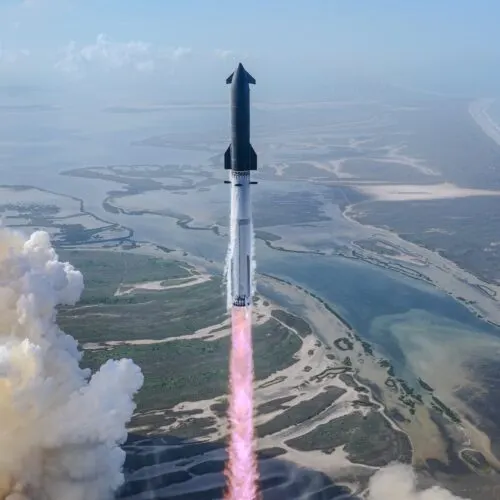
SpaceX is close to finalising a deal with the state of Louisiana to acquire roughly 130,000 acres of marshland along the northern Gulf Coast, according to local newspaper The Times-Picayune | The New Orleans Advocate. Governor Jeff Landry is expected to announce the agreement later this month, giving SpaceX control of an 18-mile stretch southwest of Lafayette known as Pecan Island. The move matters because it would give SpaceX a third major US launch site as it pursues ambitions to fly Starship thousands of times a year, supporting plans for a large constellation of orbital data centre satellites.
The Pecan Island site became available through a legal settlement resolving lawsuits against ExxonMobil over pollution and coastal erosion, and any deal is expected to include coastal restoration commitments given the marsh's role as wildlife habitat and hurricane buffer. Louisiana lawmakers have also passed incentives for aerospace firms, including tax breaks and liability protections. The location offers deep-water access, room to expand beyond SpaceX's congested Texas and Florida sites, barge access to its Starfactory near Boca Chica, potential polar orbit trajectories, and proximity to the Henry Hub natural gas hub for launch propellant. Neither SpaceX nor Louisiana officials have publicly confirmed the deal.
In short
- SpaceX set to acquire 130,000 acres of Louisiana marshland for launches
- Site near Lafayette offers gas supply and polar orbit access
- Deal tied to ExxonMobil pollution settlement; officials yet to confirm
Steelman: both sides, in good faith
The strongest fair case each way — we don't pick a winner.
The case for
The site provides essential infrastructure to expand America's space capabilities and supports Louisiana's economic development through aerospace investment and job creation. The land became available through a responsible settlement, and SpaceX's coastal restoration commitments help address environmental concerns whilst enabling strategic industrial development that would otherwise require expansion of SpaceX's already congested Texas and Florida operations.
The case against
Coastal marshes are irreplaceable ecosystems that provide critical habitat and natural hurricane protection at a time when climate risks are intensifying. Converting 130,000 acres to industrial use represents a permanent loss of these ecological functions, and restoration commitments, however sincere, cannot fully replace the value of preserved wetlands or guarantee comparable long-term environmental resilience and biodiversity.
Explained simply
SpaceX is a US company that builds rockets and spacecraft, including Starship, its large reusable rocket. It already launches from sites in Texas and Florida, and has said it wants Starship to fly far more often than current rockets.
Pecan Island is a low-lying stretch of Louisiana’s Gulf Coast, where marshes provide habitat for wildlife and help reduce the impact of storms. The land became available after a legal settlement over pollution and coastal erosion; any transfer could involve commitments to restore the coast.
Louisiana has offered tax breaks and other protections to attract aerospace businesses. A site there could give SpaceX more room and access to waterways for moving rocket parts, while adding another location to its launch network.