SpaceX plans to plant $100B Starbase on Louisiana coast
Developed over time first seen 2 months ago
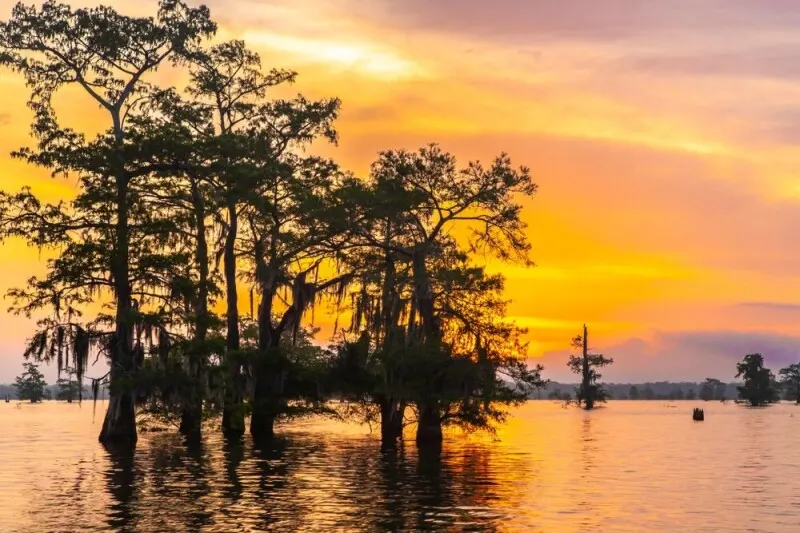
SpaceX has proposed investing $100 billion in a Louisiana spaceport intended to support thousands of Starship launches each year, with construction planned from 2027 and a first launch targeted for 2029. The project would significantly expand the company’s launch infrastructure, but its scale depends on Starship reaching orbit and demonstrating dependable reusability, neither of which has yet been achieved.
The proposed Vermilion Parish site would contain five launch complexes with ten pads, propellant production and storage, power generation, deep-water shipping, vehicle-processing facilities and an airport. Louisiana officials estimate it could create 3,000 direct and 8,100 indirect jobs over a decade, while SpaceX says it will work with agencies on coastal erosion, wildlife and marshland protection; the plans nevertheless face environmental and safety scrutiny given incidents at its Texas launch site.
- SpaceX proposes a $100 billion Louisiana Starship spaceport.
- Construction could begin in 2027, with launches from 2029.
- Environmental and technical hurdles remain significant.
New here? Start with this
SpaceX is the private US space company founded by Elon Musk. It launches satellites and astronauts using reusable Falcon rockets, and is developing Starship, a much larger vehicle intended for missions to the Moon, Mars and for carrying heavy cargo.
The company’s main Starship test site is currently at Boca Chica in south Texas, where it has carried out a series of test flights. SpaceX wants Starship to reach orbit and have major parts of the vehicle return for repeated use, which would lower the cost of launches, but those capabilities are still being tested.
A new launch site in Louisiana would give SpaceX more room for production, shipping and launches if the programme grows as planned. Such a development would also require agreements with local, state and federal authorities on land use, coastal conditions, wildlife protection, public safety and environmental effects.
Both sides, in good faith
The strongest fair case each way — we don't pick a winner.
The case for
Supporters argue that a second major launch site is necessary if the United States is to build reliable, high-volume access to space and sustain technological leadership. They see the proposed investment as a potentially transformative source of skilled employment, supply-chain work and coastal infrastructure for Louisiana, while believing SpaceX can work with regulators to mitigate environmental effects. In this view, planning ahead of full Starship maturity is rational because launch capacity, manufacturing and local workforce development take years to establish.
The case against
Critics argue that committing land, public attention and potentially substantial supporting infrastructure to a $100 billion project before Starship has demonstrated orbital success and routine reusability creates an unusually high risk of overpromising. They contend that thousands of annual launches, propellant facilities and coastal construction could impose serious safety, wildlife and erosion costs on a sensitive area, particularly given concerns raised around Boca Chica. In this view, independent environmental scrutiny, enforceable safeguards and clearer evidence of the vehicle’s viability should precede a project of this scale.