Special constable sacked from police after not paying £1.20 for carrier bags at Sainsbury’s self-service checkout
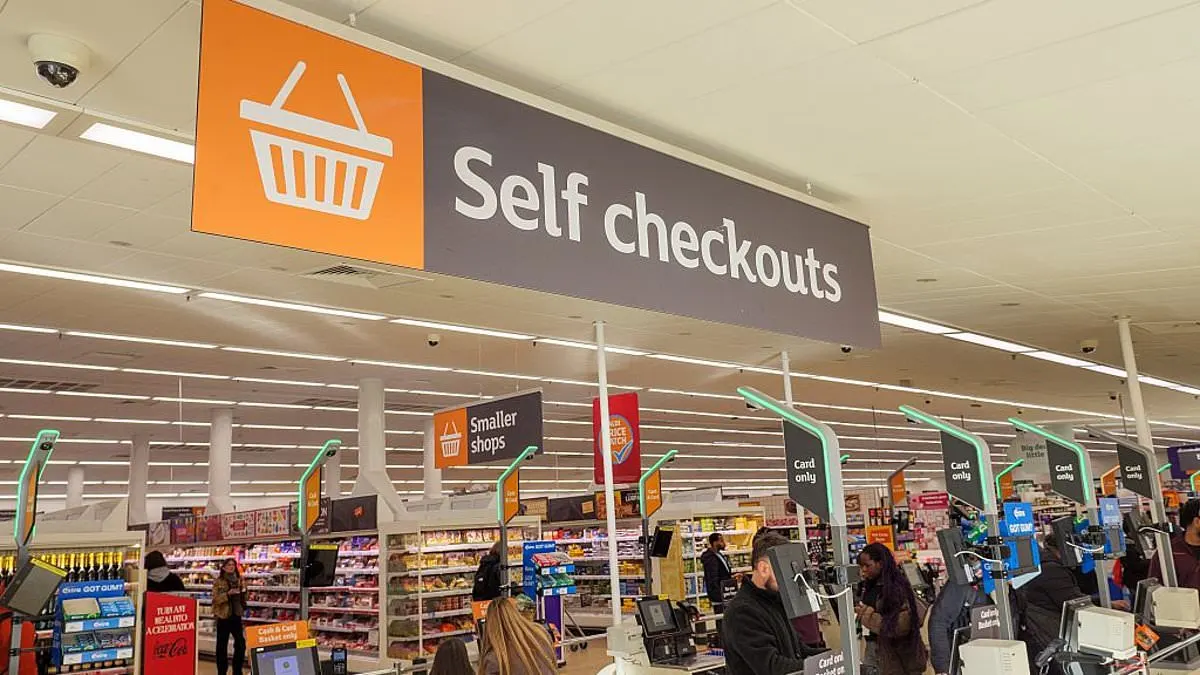
West Mercia Police dismissed special constable Luke Hodgson after finding he knowingly took carrier bags without paying for them at the Sainsbury’s where he worked. The force said the repeated dishonesty breached professional standards and damaged public confidence in its officers, despite the small sum involved.
Hodgson took three 40p bags at self-service checkouts over 12 days, each time confirming on screen that he had used no bags. He did not dispute failing to pay and later repaid the £1.20; he had no previous disciplinary issues in his police role. Sainsbury’s had already dismissed him for gross misconduct, and the police barred him from joining another force.
- Special constable Luke Hodgson was dismissed over three unpaid carrier bags.
- The bags cost £1.20 in total, and he later repaid the money.
- West Mercia Police said the dishonesty undermined public confidence.
New here? Start with this
Special constables are volunteers who support police forces across England and Wales. Luke Hodgson worked as a special constable for West Mercia Police and was also employed by Sainsbury's. He has been dismissed from his police role after taking carrier bags without paying for them at the supermarket's self-service checkouts.
Over a 12-day period, Hodgson took three bags worth 40 pence each, confirming on screen each time that he had used no bags. He did not contest that he had failed to pay for them and later repaid the £1.20 owed. Despite the small amount involved and his previously unblemished record as a police volunteer, both Sainsbury's and West Mercia Police took action against him.
The police force said the repeated dishonesty breached professional standards and damaged public confidence in its officers. Sainsbury's had already dismissed him for gross misconduct, and West Mercia Police has also barred him from joining another police force. The case illustrates the strict standards of conduct expected of those in policing roles, even when the sums involved are minimal.
Both sides, in good faith
The strongest fair case each way — we don't pick a winner.
The case for
Police officers hold a position of public trust that requires the highest standards of integrity, and dishonesty—however small the amount—undermines confidence in law enforcement. The officer knowingly deceived the self-service system by confirming he had used no bags when he had, and repeated this over twelve days, demonstrating deliberate dishonesty rather than a momentary lapse. Professional standards cannot be applied inconsistently based on the trivial nature of the amount involved, as this would create a corrosive message that police officers need only follow rules they find convenient.
The case against
Whilst integrity in policing is crucial, dismissal represents a disproportionate response to this offence. The officer had an unblemished disciplinary record, admitted the fault immediately, and repaid the money without resistance, suggesting this was an aberration rather than indicative of his character or suitability for policing. Alternative disciplinary measures—formal warnings, suspension, or demotion—would have addressed the breach of standards whilst recognising both the trivial sum involved and the officer's otherwise exemplary conduct, and the rigid application of maximum penalties without regard to context or proportionality raises its own questions about institutional fairness.