Entertainment news and discussion on TalkFuse.
‘Spiderman: Brand New Day’ Did What No MCU Movie After ‘Avengers: Endgame’ Had the Guts To Do
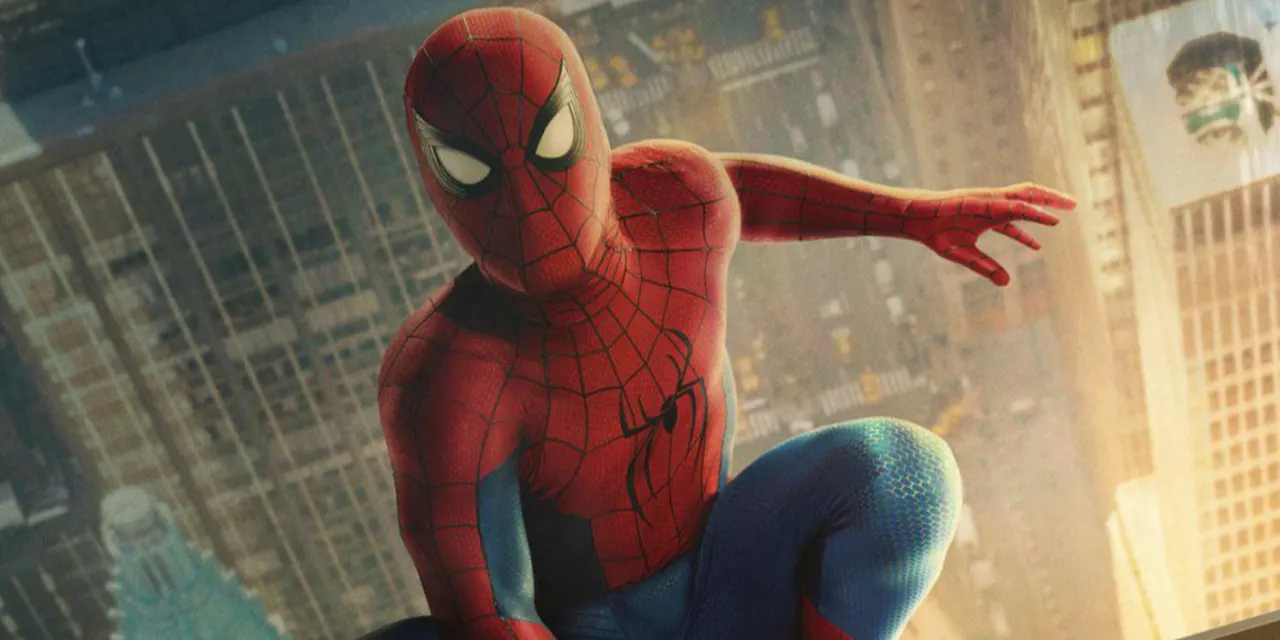
The Marvel Cinematic Universe has often been criticised for undoing bold storytelling decisions soon after making them, but the new film Spider-Man: Brand New Day breaks that pattern by refusing to reverse the consequences set up at the end of Spider-Man: No Way Home. This matters because it marks a rare instance of the franchise committing to difficult character fallout rather than resetting to a comfortable status quo, according to the article's analysis.
At the end of No Way Home, Peter Parker's identity was erased from the world's memory, leaving him isolated from MJ and Ned. Rather than reuniting him with them at the start of Brand New Day, the film keeps Peter struggling with that separation, in contrast to how the MCU previously glossed over the dramatic potential of the five-year "Blip" following Avengers: Endgame and often reverses major character developments, such as Tony Stark's suit destruction in Iron Man 3 or inconsistent portrayals of Thor and Hulk.
In short
- Brand New Day keeps Peter Parker isolated instead of resetting the status quo.
- Article argues MCU usually reverses bold decisions soon after making them.
- Contrasts with underused fallout from Endgame's "Blip" storyline.
Steelman: both sides, in good faith
The strongest fair case each way — we don't pick a winner.
The case for
The film demonstrates genuine narrative courage by refusing to reverse the emotional weight of Peter's isolation established in No Way Home, showing that the MCU is maturing beyond its tendency to casually undo major dramatic decisions. Maintaining consequences—forcing Peter and the audience to sit with loss and separation rather than rushing to convenient resolution—creates real stakes and demonstrates that narrative choices have genuine weight. This commitment to following through on difficult storytelling is precisely what distinguishes meaningful drama from the hollow patterns that have plagued the franchise.
The case against
Whilst consequences matter, maintaining Peter's separation indefinitely is one narrative choice among many valid approaches, not inherently superior to allowing characters to rebuild relationships and explore new emotional territory. Resolving separation through difficult but genuine reconnection—where Peter and his loved ones must renegotiate their bonds despite memory loss—could be equally sophisticated storytelling that respects character growth and agency. The MCU's willingness to take varied narrative approaches reflects mature understanding that different stories serve different purposes, and consequence-dwelling is not the only path to meaningful drama.
Explained simply
The Marvel Cinematic Universe (MCU) is a series of linked superhero films made by Marvel Studios. Spider-Man is Peter Parker, a young hero whose friends MJ and Ned are part of his life outside his superhero work.
In Spider-Man: No Way Home, a spell meant to protect Peter led to everyone forgetting who he is, including MJ and Ned. The story left him separated from the people closest to him, creating a lasting change in his personal life.
That change connects to a wider debate about how superhero films handle consequences. Avengers: Endgame introduced the “Blip”, a period when many people vanished, while other MCU films have also shown major changes to characters; the question is whether later stories keep those changes or move back towards familiar circumstances.
Entertainment Film Spider-Man: Brand New Day