Spokane Shows What the New Era of Wildfires Looks Like
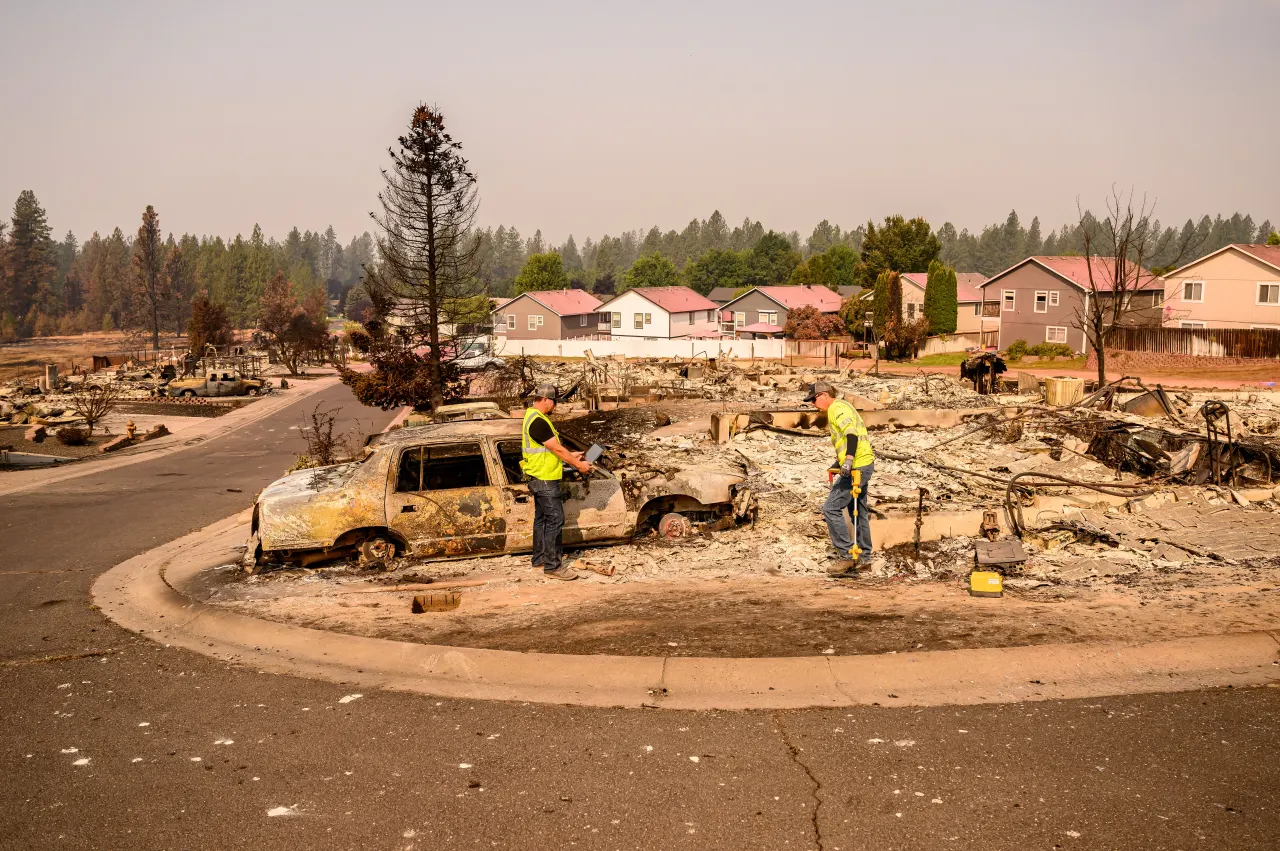
Wildfires near Spokane, Washington, have destroyed entire neighbourhoods and forced hundreds of people into emergency shelters, illustrating the increasing scale and severity of modern fire seasons. The crisis matters because it has displaced vulnerable residents, including older people and carers, while emergency officials warn that such events are likely to begin earlier, last longer and worsen as the climate changes.
A dry winter, extreme drought and heat waves helped create conditions for widespread fires across the Pacific Northwest, with Oregon nearing 2 million acres burned and Washington recording more than 500,000 acres burned and at least 65,000 evacuation orders. Three major fires around Spokane destroyed more than 700 buildings by Monday, although no deaths or missing people had been reported; limited snowfall and early snowmelt left vegetation exceptionally dry, while strong winds carried embers several miles from a large central Washington fire.
In short
- Spokane fires destroyed more than 700 buildings and displaced hundreds.
- Drought, heat and low snowfall intensified fire conditions.
- Officials link worsening wildfires to a changing climate.
Explained simply
Spokane is a city in eastern Washington state, in the north-western United States. Its surrounding region includes dry forests and grassland, where fires can spread quickly when plants are parched and winds carry burning embers.
Wildfires are common in the western United States, but their extent depends on factors such as rainfall, heat, snow and wind. A dry winter and early snowmelt can leave vegetation with little moisture by the time hot weather arrives.
Residents, including older people and those who rely on carers, may need to leave at short notice when fires threaten homes. Fire and emergency services coordinate warnings, evacuations and shelter, while researchers and officials study how changing climate conditions affect fire seasons.