STALKER 2’s latest update expands its A-Life NPC simulation bubble, seemingly without a scary performance tax
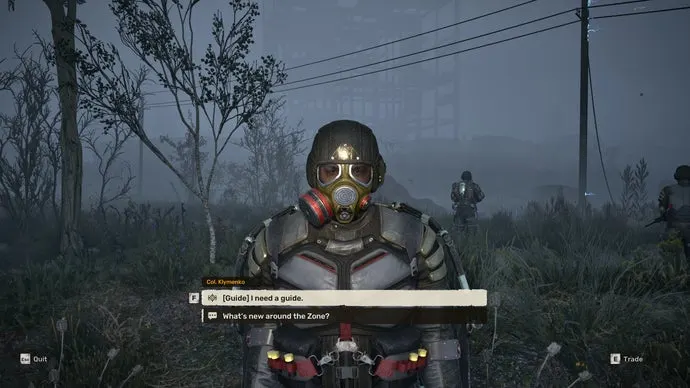
STALKER 2: Heart of Chornobyl’s 2.1 update lets players extend the range at which its A-Life system simulates and displays roaming NPCs, with related audio changes making distant gunfights easier to hear. The change aims to make the Zone feel more active beyond the player’s immediate surroundings, while the developers warn that settings above Recommended could affect performance, quests or stability.
Testing on a PC with an RTX 4060 at 1080p found average frame rates stayed at 93fps on Recommended and Extended, and fell to 91fps on the higher settings. Results may differ on other hardware, and the test also found that A-Life settings appear to change how far faction markers show through binoculars; Maximum seemed to increase their zoom. Update 2.1 also allows players to travel with roaming stalkers, but only to places already on their patrol routes.
In short
- Update 2.1 expands the range of simulated NPC activity.
- Testing showed a drop of just two frames per second.
- Binocular behaviour may change with A-Life settings.
Steelman: both sides, in good faith
The strongest fair case each way — we don't pick a winner.
The case for
Expanding the A-Life simulation range can make the Zone feel more populated and unpredictable, with distant encounters and gunfire giving players a stronger sense of a world unfolding beyond their immediate view. The reported test found little performance cost on one PC, so players with suitable hardware may see richer activity without a noticeable frame-rate trade-off.
The case against
A wider simulation range may demand more from the game and could affect performance, quests or stability, as the developers caution; one test on one PC cannot show how it will behave across different hardware. Players may reasonably prefer the Recommended setting for reliability, particularly if higher settings also change faction-marker visibility in ways that affect gameplay.
Americas Art Culture Cybersecurity Entertainment Horror Software Technology TV