Culture news and discussion on TalkFuse.
Stardew Valley’s influence on cozy games is finally coming to an end
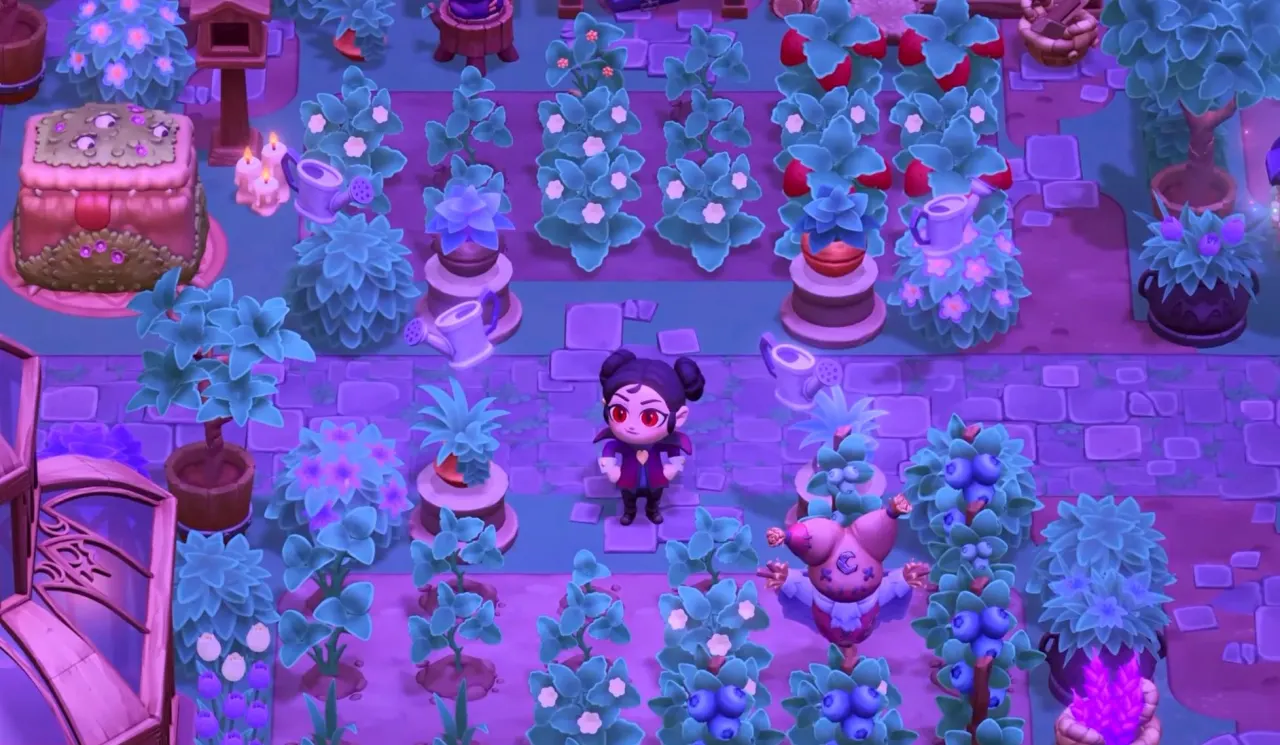
Stardew Valley's massive success established a template that came to define the cosy game genre, with most subsequent releases following similar patterns of welcoming communities, uplifting characters, and straightforward conflict resolution. This widespread imitation resulted in a homogenised landscape where innovation was sacrificed for proven commercial formulas.
Developers are now beginning to challenge these conventions by incorporating darker themes and complex character dynamics into the cosy framework. Moonlight Peaks exemplifies this shift, presenting players with familial dysfunction, problematic neighbours, and serious issues such as addiction and generational trauma, suggesting the genre is evolving toward more nuanced storytelling whilst maintaining its signature aesthetic.
In short
- Stardew Valley's commercial dominance created a formulaic template that most cozy games have replicated, leading to genre stagnation
- New titles like Moonlight Peaks are pushing back by introducing darker themes, family conflict, and morally complex characters
- The cosy genre is beginning to evolve beyond its cheerful, conflict-free template whilst retaining its aesthetic identity
Steelman: both sides, in good faith
The strongest fair case each way — we don't pick a winner.
The case for
Advocates of this shift argue that the cosy genre risked creative stagnation by leaning so heavily on Stardew Valley's template, and that introducing darker themes like addiction and generational trauma allows games such as Moonlight Peaks to explore genuinely human experiences with more depth and honesty. They see this as artistic maturation rather than betrayal, arguing that comfort and emotional complexity are not mutually exclusive, and that players can find catharsis and authenticity in stories that acknowledge hardship whilst still offering warmth and community. For them, innovation within a beloved framework keeps the genre creatively alive rather than commercially stale.
The case against
Others value the cosy genre precisely because it offers a reliable refuge from the complexity and distress of everyday life, and worry that layering in serious real-world issues undermines the escapist promise that drew players in the first place. They argue that Stardew Valley's template succeeded not from lack of imagination but because welcoming communities and gentle conflict resolution meet a genuine emotional need, particularly for players seeking respite from difficult circumstances. From this view, diluting that formula with heavier themes risks alienating the core audience and blurring the genre's identity rather than genuinely improving it.
Explained simply
Stardew Valley is an indie farming simulator released in 2016 that became a global phenomenon. Its success established a template for "cosy games" — relaxing, low-stakes titles set in welcoming communities with uplifting characters and gentle storytelling — that defined an entire new genre.
The template proved so commercially successful that countless developers copied it, creating a surge of cosy games that followed the same formula. This widespread imitation led to a homogenised genre where most new releases felt similar, prioritising proven commercial success over fresh ideas or experimentation.
However, developers are now beginning to move away from this template by adding more complex and darker elements to the cosy aesthetic. These newer games are exploring themes like family conflict, difficult characters, and serious issues such as addiction, suggesting the genre is evolving towards more sophisticated storytelling whilst keeping the visual style and welcoming tone that made cosy games appealing.
Art Celebrity Culture Entertainment Fashion Space Technology