Politics news and discussion on TalkFuse.
STATE OF PLAY: Blue wave sweeps Democrats into power, with key races still hanging in balance
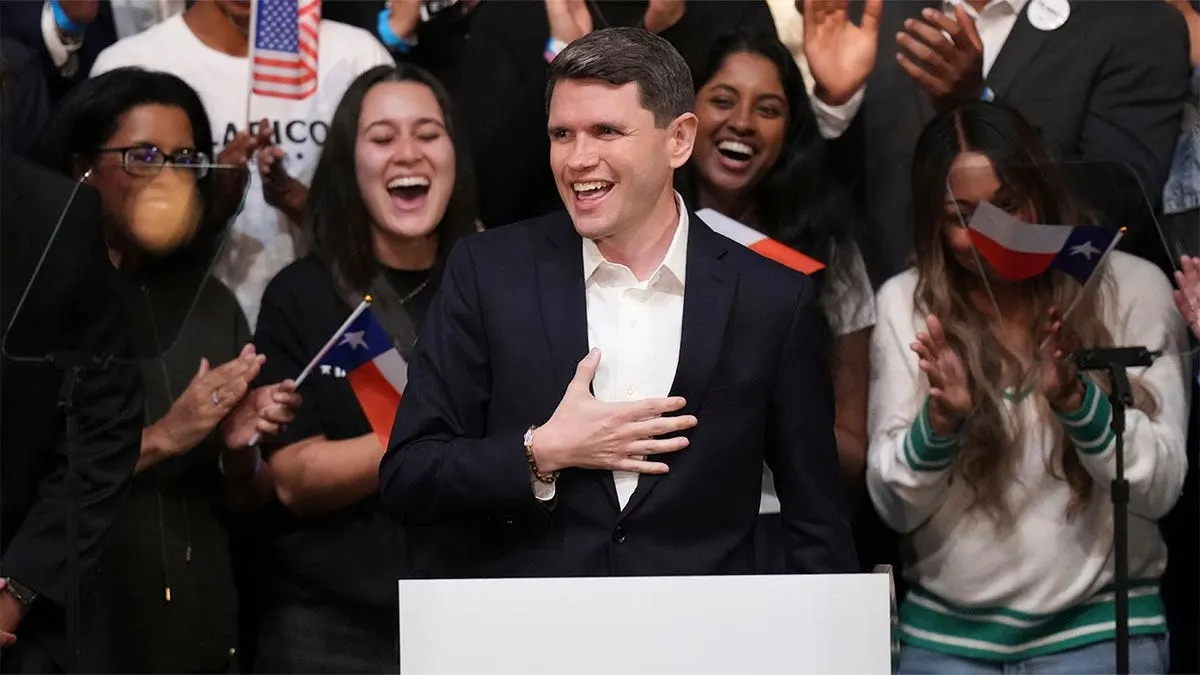
Democrats won control of both the House and Senate in a midterm result that the article describes as a major rebuke to President Donald Trump and the Republicans. Several prominent races remained undecided, leaving the final size of the Democratic majorities uncertain.
As of early Wednesday, Democrats had won 228 House seats to the Republicans’ 139, with 68 races still uncalled. In the Senate, Democrats flipped Republican-held seats in seven states and defended open seats in Michigan and New Hampshire; contests in Mississippi and Alaska remained too close to call. Gubernatorial races in Alaska and Kansas were also unresolved, while Democratic leader Chuck Schumer promised “relief” and Republican leader John Thune said his party would oppose what he called Democratic extremism.
In short
- Democrats captured majorities in both chambers of Congress.
- Democrats led 228 to 139 in the House, with 68 races uncalled.
- Senate and gubernatorial contests in several states remained undecided.
Steelman: both sides, in good faith
The strongest fair case each way — we don't pick a winner.
The case for
Democrats’ gains can be seen as voters using midterm elections to check a president and party they believe have taken the country in the wrong direction. Unified Democratic control could make it easier to pursue the relief Schumer promised and advance policies that supporters see as responsive to voters’ concerns.
The case against
Republicans can argue that a large midterm shift does not settle whether the incoming majority’s policies are wise or broadly supported, especially while several races remain undecided. They may see unified Democratic control as risking excessive concentration of power and argue, as Thune did, that opposing policies they regard as extreme is part of their responsibility to voters.
Explained simply
Midterm elections decide who represents each state in Congress and can change which party controls the House of Representatives and Senate. That matters because Congress votes on laws and government spending, and can support or block a president’s plans.
The Democrats and Republicans are the two main US political parties. Donald Trump is a Republican president; Chuck Schumer leads the Democrats in the Senate, while John Thune leads the Republicans there.
A party’s control of Congress affects how much influence it has over national policy and how closely the president is scrutinised. The final balance depends on the results of individual races across the states.