Politics news and discussion on TalkFuse.
STATE OF WEDNESDAY: The Pentagon Failed Another Audit. Now It Wants More Money
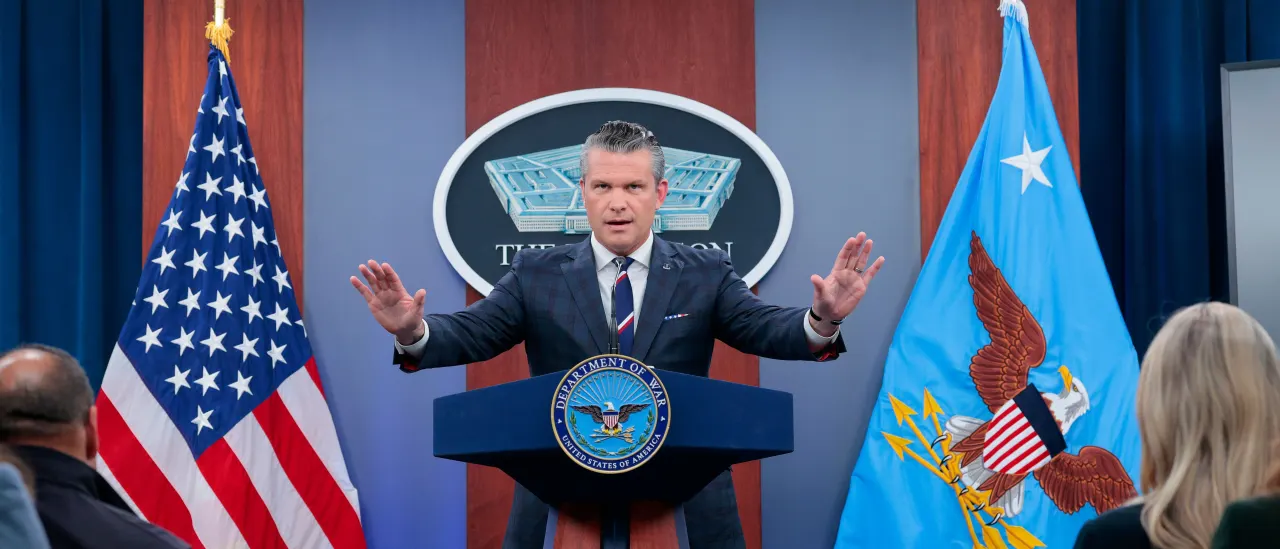
The article says the US Department of Defense has failed every financial audit since audits began nine years ago, yet is seeking a record budget. It argues that this raises questions about congressional oversight and whether the department can properly account for additional taxpayer money.
The request for the next fiscal year is $1.45 trillion, 44 per cent above the amount Congress provided last year; the administration has also sought $350 billion in mandatory funding, partly to replace munitions used in the Iran war. The article attributes audit problems to nearly 150 financial systems, some using roughly 50-year-old technology, and says campaign finance filings link more than $1.29 million in defence-industry contributions during the 2026 election cycle to four lawmakers leading congressional defence appropriations subcommittees.
In short
- The Pentagon has not passed a financial audit in nine years.
- It is seeking a record $1.45 trillion for the next fiscal year.
- The article questions oversight and defence-industry influence.
Steelman: both sides, in good faith
The strongest fair case each way — we don't pick a winner.
The case for
A failed audit does not by itself show that the proposed spending is wasteful or that the department cannot use it effectively; the article points to fragmented, ageing financial systems as a cause of the accounting failures. Supporters could argue that current security needs, including replacing munitions used in the Iran war, justify the requested resources, while Congress should press the Pentagon to improve its records and scrutinise how funds are spent.
The case against
Repeated audit failures make it harder for Congress and taxpayers to verify how the Pentagon uses existing funds, so approving a much larger budget without stronger accountability could deepen that problem. The sharp increase in the request and campaign contributions to lawmakers overseeing defence appropriations may also heighten concerns about oversight and whether spending decisions serve the public interest.
Explained simply
The US Department of Defense, often called the Pentagon, manages the country’s armed forces and spends money approved by Congress. A financial audit checks whether an organisation’s accounts are reliable and whether it can show how public money is used.
The department has not passed a full audit since these checks began nine years ago. Reports have pointed to many separate financial systems, including some built on older technology, as obstacles to tracking its finances.
Congress sets defence funding through its budget process and oversees how the department spends it. The size of the requested increase, the department’s record-keeping and reported campaign contributions from defence companies to some lawmakers involved in funding decisions are relevant to that oversight.