Steam Frame’s buried cooling fan complicates repairs despite other user-friendly features
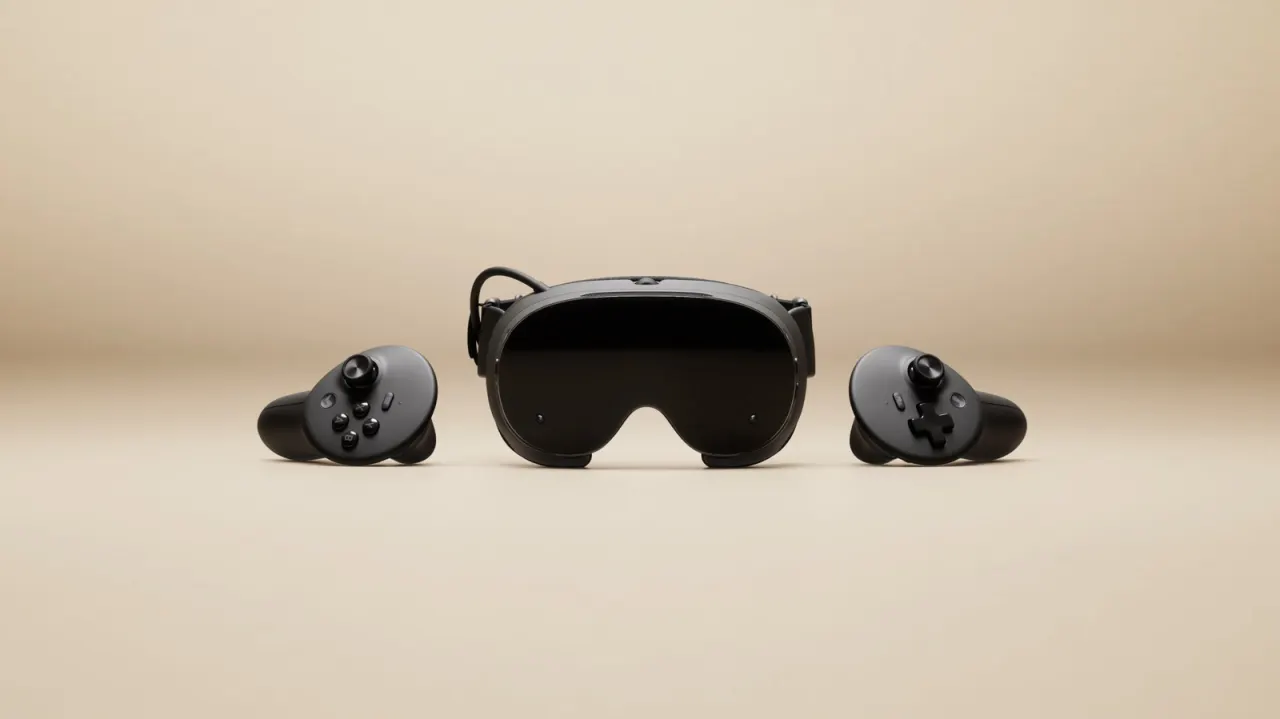
iFixit's teardown of the Steam Frame reveals that despite generally good repairability, the cooling fan is buried deep inside the headset and difficult to access. This matters because fans accumulate dust and eventually wear out, making maintenance unnecessarily difficult for an otherwise repair-friendly device.
The £1,059 headset includes several user-friendly features: the head strap detaches via quick-release latches, sweat-absorbing parts are replaceable, and lenses attach magnetically. However, other issues complicate repairs: the battery lacks release tabs, controllers' thumbsticks are soldered to boards, and replacement batteries and displays won't be available at launch. Despite strong repairability by VR standards, the headset's high price and late market entry make it a tough sell compared to cheaper alternatives like the Meta Quest 3.
- Steam Frame's cooling fan buried deep, hard to reach for maintenance
- Easily replaceable parts include straps, cushions and lenses
- £1,059 price tag and late launch undermine strong repair design
New here? Start with this
The Steam Frame is a high-end virtual reality headset made by Valve, priced at £1,059. Like all complex electronics, it will eventually need repairs or maintenance as components wear out.
Because the headset is expensive, how easily users can repair and replace worn components is important for long-term value. Cooling fans, for instance, accumulate dust and eventually fail, so straightforward access to them is essential.
The device has some thoughtful design choices that aid repairs, including a quick-release head strap and magnetically attached lenses. However, the cooling fan is buried deep inside the headset, making it difficult to maintain. This balance of strengths and weaknesses is significant because the Steam Frame faces competition from cheaper, already-established alternatives like the Meta Quest 3.
Both sides, in good faith
The strongest fair case each way — we don't pick a winner.
The case for
Valve likely buried the cooling fan as part of broader structural and durability engineering that benefits the overall device—improved rigidity, dust protection, weight distribution, or water resistance. For a premium headset with a multi-year lifespan, the fan will typically outlast the user's ownership, making accessibility less critical than the design benefits this approach enables. The trade-off represents reasonable engineering prioritisation among competing concerns.
The case against
A £1,059 device marketed for repairability should make all serviceable components, especially ones that fail routinely like cooling fans, readily accessible. Fans inevitably accumulate dust and degrade; burying the fan forces costly, frustrating repairs or premature replacement and fundamentally contradicts the headset's user-friendly design philosophy. Premium pricing demands that all key maintenance points be user-serviceable, not just most of them.
Read the full article at the source →
Originally published by Engadget as “Steam Frame teardown reveals one problem with its future repairs”.